

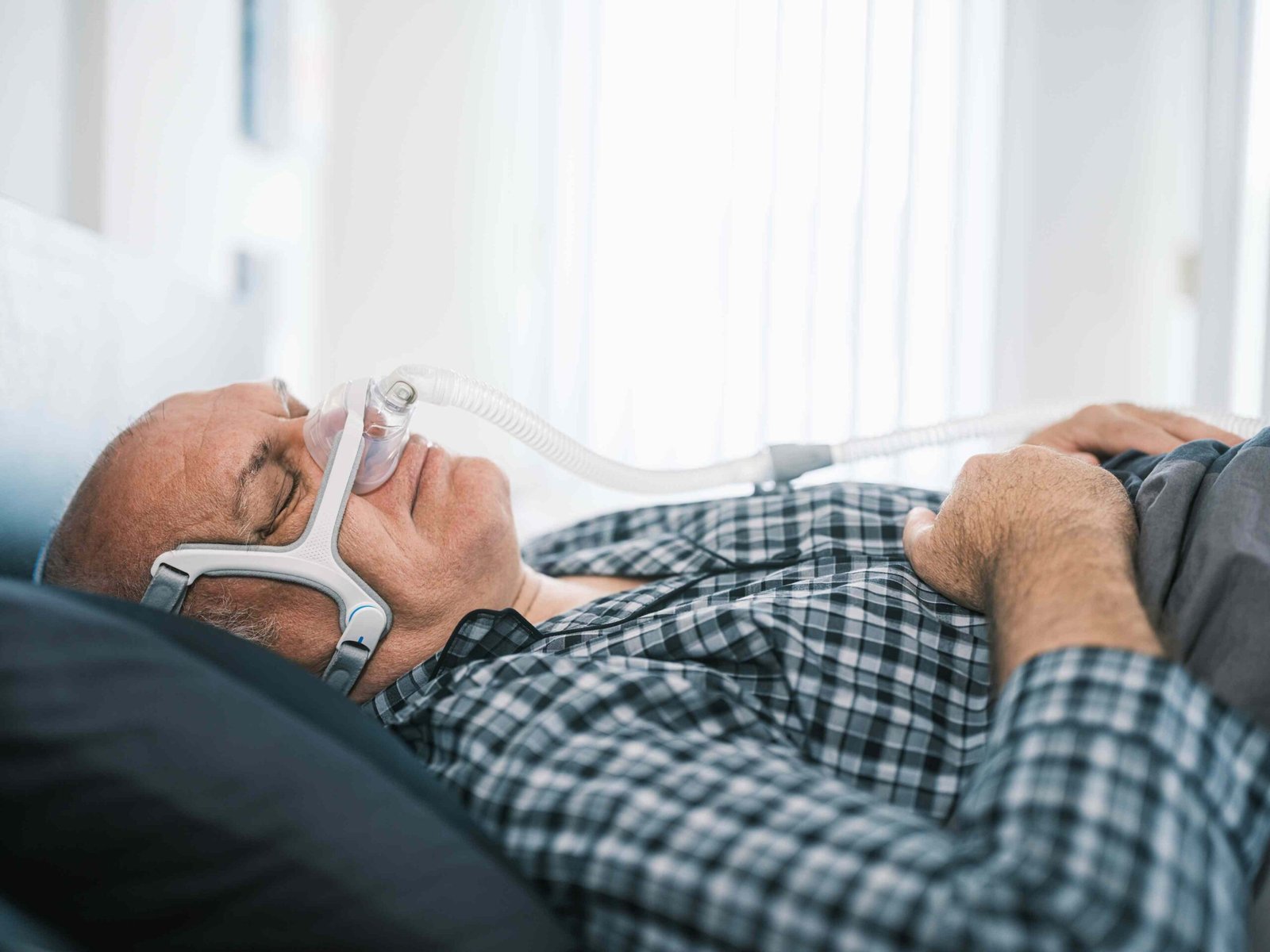
Obstructive sleep apnea (OSA) is a disorder that causes repeated pauses in breathing during sleep, which significantly reduces oxygen levels in the body. This condition isn’t considered a disability on its own, but severe OSA may qualify if symptoms or health complications limit your ability to work.
People who have OSA usually have symptoms that disrupt their day-to-day lives, including daytime sleepiness, headaches, and mood changes. The condition also brings a higher risk of health problems such as high blood pressure, depression, and heart disease.
The Social Security Administration (SSA) generally does not consider OSA a disability on its own. However, if someone has severe or untreated OSA, they may experience one of the following chronic health conditions that may qualify as a disability.
Cardiovascular (Heart) Disease
OSA puts extra strain on your heart and blood vessels. About half of the people with OSA have high blood pressure. The sleep disorder can also trigger irregular heart rhythms and raise your risk of heart attack, stroke, or heart failure.
Not everyone with OSA experiences heart health issues. But for those that do, these complications can affect physical endurance, limit daily activities, and make it more difficult to manage other health conditions.
Depending on the severity and duration of symptoms, the SSA may consider chronic heart failure, heart disease, or abnormal heart rhythm to be disabilities.
Lung Problems
Regular sleep apnea episodes can damage lung function and increase the risk of pulmonary hypertension.
This condition is characterized by high blood pressure in the arteries of your lungs, making it harder for your heart to pump blood. Pulmonary hypertension can cause shortness of breath, increased fatigue, lightheadedness, and chest pain. It’s estimated that about 20% of people with OSA have pulmonary hypertension. If left untreated, it can eventually lead to heart failure.
In advanced cases, pulmonary hypertension symptoms may limit your ability to perform physical tasks or safely participate in work or daily activities. In these cases, it can qualify as a disability.
Cognitive and Mental Health Issues
Persistent poor or interrupted sleep may impair your memory or concentration. Many people with severe OSA also experience depression, anxiety, or chronic fatigue.
These OSA symptoms often present issues for people at work, making it hard to accomplish tasks and meet performance expectations.
Depending on severity and symptoms, the SSA may determine depression, anxiety, chronic fatigue, and related cognitive issues to be disabilities.
Excessive Daytime Sleepiness
Even if OSA does not cause a separate health condition, you may still qualify for disability if you experience symptoms that severely limit your ability to work or perform job duties. Daytime sleepiness may be one of those symptoms, particularly if it makes it very difficult to:
- Stay alert, concentrate, or follow instructions
- Maintain a consistent work schedule
- Perform physical tasks such as sitting, standing, walking, lifting, or carrying
- Safely operate vehicles, machinery, or work in hazardous environments
- Communicate clearly and respond appropriately to coworkers or workplace changes
Strong medical documentation is required for disability claims, and the necessary evidence differs based on your specific health issue. If you apply for disability with OSA, the SSA will require:
- Evidence of your impairment: To show that you have OSA, you’ll need to submit the results of a sleep study (polysomnography), which measures breathing interruptions and oxygen levels as you sleep. You should also submit documentation of lung health issues, cardiology evaluations, and/or neurological or mental health assessments if you’re experiencing any of those OSA-related complications.
- Current health status: You must submit all documentation related to your disability. That includes updated information about OSA-related complications, how long you’ve had these health issues, and any ability you have to work.
- Symptom severity and effect: The SSA will use medical evidence as well as information from non-medical sources (such as family members or coworkers) to learn more about how your symptoms affect your ability to work. This may include pain or symptom severity, duration, and frequency.
- Treatment history: The type and efficacy of medications, therapies, or treatments you’ve used to manage your OSA or other related health issues will be assessed.
- Supporting medical evaluations: The SSA may request more information from your doctors or order a consultative examination if records are incomplete. This examination evaluates physical and mental work abilities, including concentration, communication, mobility, and environmental tolerance.
Treatment for OSA is highly effective and can improve symptoms for many people. Common treatments include:
Treating OSA can lower the risk of heart health complications, pulmonary hypertension, and cognitive issues that might otherwise impact your ability to work. When assessing disability claims, the SSA will consider whether your symptoms improve with consistent treatments. However, you may still qualify if ongoing limitations affect your ability to work.
If your OSA makes it difficult to work or contributes to serious health conditions, such as heart disease, lung health concerns, or mental health problems, you may qualify for disability benefits. The SSA generally requires that the condition is severe and has lasted—or is expected to last—for at least 12 continuous months.
Start by talking with your healthcare provider about your symptoms and how they affect your ability to perform job duties. Your doctor can help document your condition, track treatment progress, and discuss treatment options that may improve your symptoms.
