

Key Takeaways
- The nervous system uses neurotransmitters and electrical signals to send information quickly, while the endocrine system uses hormones for slower, longer-lasting effects.
- The hypothalamus is a crucial link between the nervous and endocrine systems, controlling the pituitary gland and hormone release.
Human behavior, in all its complexity, is partly the product of interactions between two key physical components: the nervous and endocrine systems. The nervous system works with the endocrine system to detect and transmit signals from internal and external stimuli to maintain homeostasis in the body.
These two systems help regulate the electrical and chemical processes that relay information throughout and between the brain and body. These functions include metabolism, reproduction, emotion, and homeostasis.
How the Nervous and Endocrine Systems Work Together
These two important systems work together to perform a number of important functions, including:
- Communication: The nervous system uses neurotransmitters and electrical impulses to send information quickly over short distances. The endocrine system relies on hormones released into the bloodstream, which is slower but longer-lasting.
- Response coordination: The nervous system coordinates responses such as the reflexes and muscle contractions. The endocrine system is responsible for processes like metabolism and reproduction.
- Stress: When faced with stress, the nervous system leads to fast, short-term actions. The endocrine system releases cortisol, affecting the body for longer periods.
The Nervous System
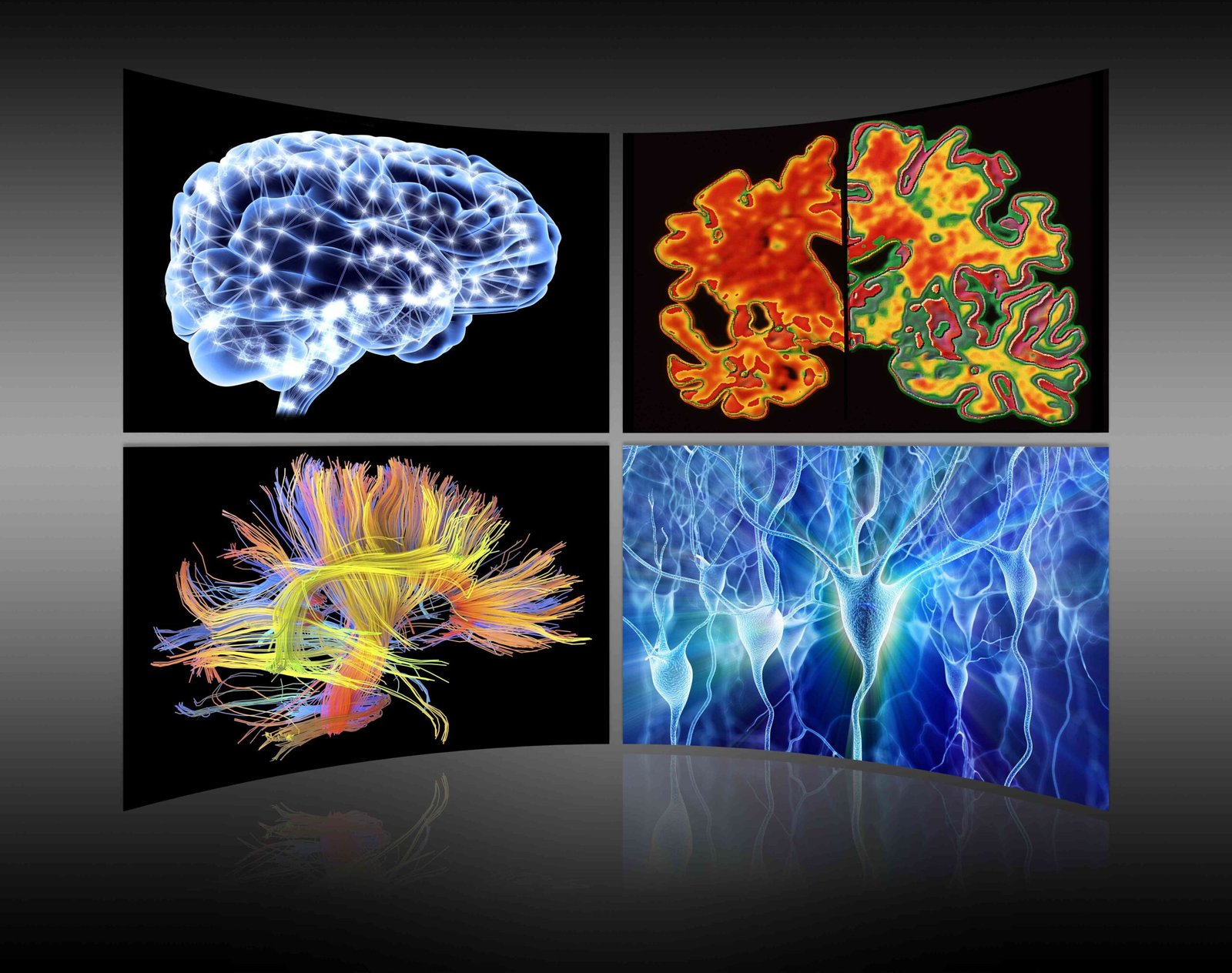
Neurons—bundles of which make up nerves—are the building blocks of the body’s communication system. They’re organized into networks that allow signals to move between the brain and body. These networks, composed of about 86 billion neurons, comprise the nervous system.
The nervous system, in turn, has two parts: the central nervous system, which includes the brain and spinal cord, and the peripheral nervous system.
The Central Nervous System
The central nervous system (CNS) is made up of the brain and spinal cord. Together, they form, as the name suggests, the literal center of the body’s communication system.
The brain and spinal cord are vital to human life and function.
Protective barriers surround them, including bone (skull and spine) and membraneous tissue known as meninges. Additionally, the brain and spine are suspended in cerebrospinal fluid.
The CNS processes every sensation and thought that you experience. Receptors throughout the body gather sensory information and pass it on to the CNS. The CNS also sends messages to the rest of the body to control movement, actions, and responses to the environment.
The Peripheral Nervous System
The peripheral system (PNS) is composed of nerves that extend beyond the central nervous system. The neural networks that make up the PNS are actually bundles of axons from neuron cells. The nerve bundles range from relatively small to large enough for the human eye to see.
The PNS is further divided into two different systems: the somatic nervous system and the autonomic nervous system.
The Somatic Nervous System
The somatic nervous system transmits sensory communications and is responsible for voluntary movement and action. It is composed of sensory (afferent) neurons and motor (efferent) neurons.
Sensory neurons carry information from the nerves to the brain and spinal cord; motor neurons transmit information from the central nervous system to the muscle fibers.
The Autonomic Nervous System
The autonomic nervous system controls involuntary functions such as your heartbeat, respiration, digestion, and blood pressure. The system is also involved in emotional responses such as sweating and crying. The autonomic nervous system is subdivided into the sympathetic nervous system and parasympathetic nervous system.
The sympathetic nervous system controls the body’s response to an emergency. When the system is aroused, your heart and breathing rates increase, digestion slows or stops, your pupils dilate, and you begin to sweat.
The parasympathetic nervous system balances the sympathetic system. After a crisis or danger has passed, it helps calm your body by slowing heart and breathing rates, resuming digestion, contracting your pupils, and stopping sweating.
The Endocrine System
The endocrine system is composed of glands that secrete chemical messengers known as hormones, which the bloodstream carries to organs and tissues to regulate functions such as metabolism, digestion, blood pressure, and growth.
Some of the endocrine system’s most important glands are the pineal gland, hypothalamus, pituitary gland, thyroid, ovaries, and testes. Each works in specialized ways in specific areas.
Although the endocrine system is not directly linked to the nervous system, the two interact in a number of ways.
They’re linked by the hypothalamus, a tiny collection of nuclei at the base of the forebrain that controls an astonishing amount of human behavior, including emotional and stress responses. It’s also involved in basic drives such as:
Notably, the hypothalamus controls the pituitary gland, which in turn regulates the release of hormones from other glands in the endocrine system.
The endocrine system is not a part of the nervous system, but it is just as essential to communication throughout the body.
Although the nervous and endocrine systems are separate systems, they interact in important ways to influence human behavior. They work in tandem to help people respond to the world around them and to each other.
Frequently Asked Questions
Is the endocrine system part of the nervous system?
Not directly, but it interacts with the nervous system in important ways. The hypothalamus connects the two and controls the pituitary gland, which in turn controls the release of hormones in the body.
How does the endocrine system interact with the nervous system?
The endocrine and nervous systems communicate with each other through the hypothalamus, which controls basic drives such as hunger and thirst. The hypothalamus also regulates the pituitary gland, which governs the release of hormones by the body’s other glands.
How are the nervous and endocrine systems similar?
The nervous and endocrine systems both interact with the hypothalamus, which controls communication between the two via chemical messengers. They’re both essential to the human body and work constantly to keep it functioning and responding to stimuli effectively.
Verywell Mind uses only high-quality sources, including peer-reviewed studies, to support the facts within our articles. Read our editorial process to learn more about how we fact-check and keep our content accurate, reliable, and trustworthy.
Stangor C, Walinga J. Introduction to Psychology – 1st Canadian Edition.
Zefferino R, Di Gioia S, Conese M. Molecular links between endocrine, nervous and immune system during chronic stress. Brain Behav. 2021;11(2):e01960. doi:10.1002/brb3.1960
Herculano-Houzel S. The human brain in numbers: A linearly scaled-up primate brain. Front Hum Neurosci. 2009;3:31. DOI:10.3389/neuro.09.031.2009
About The Brain and Spinal Cord. Neurological Surgery, University of Pittsburgh.
The Central Nervous System. Department of Molecular and Cell Biology. University of California, Berkeley.
Axons: The cable transmission of neurons. Queensland Brain Institute. The University of Queensland.
Seligowski AV, Harnett NG, Merker JB, Ressler KJ. Nervous and endocrine system dysfunction in posttraumatic stress disorder: An overview and consideration of sex as a biological variable. Biol Psychiatry Cogn Neurosci Neuroimaging. 2020;5(4):381-391. doi:10.1016/j.bpsc.2019.12.006
Thanks for your feedback!
What is your feedback?
Helpful
Report an Error
Other
