
Close Menu
Fit and Healthy Weight

    Subscribe to Updates

    Get the latest creative news from FooBar about art, design and business.

    What's Hot

    What Natural Retailers Need to Know

    April 1, 2026

    On a GLP-1? This Is the Workout Plan That Helps You Keep Muscle

    April 1, 2026

    3 Positions That Prove Top-Tier

    April 1, 2026
    Facebook X (Twitter) Instagram
    Facebook X (Twitter) Instagram
    Fit and Healthy Weight
    Wednesday, April 1
    • Home
    • Diet
    • Mindset
    • Recipes
    • Reviews
    • Stories
    • Supplements
    • Tips
    • Workouts
    Fit and Healthy Weight
    Home»Tips»How Temperature and Humidity Impact Your Idiopathic Pulmonary Fibrosis (IPF) Symptoms
    Tips

    How Temperature and Humidity Impact Your Idiopathic Pulmonary Fibrosis (IPF) Symptoms

    By December 24, 2025No Comments3 Mins Read
    Share Facebook Twitter Pinterest LinkedIn Tumblr Reddit Telegram Email
    Weather and Your Lungs: How Temperature and Humidity Affect IPF Symptoms
    Share
    Facebook Twitter LinkedIn Pinterest Email

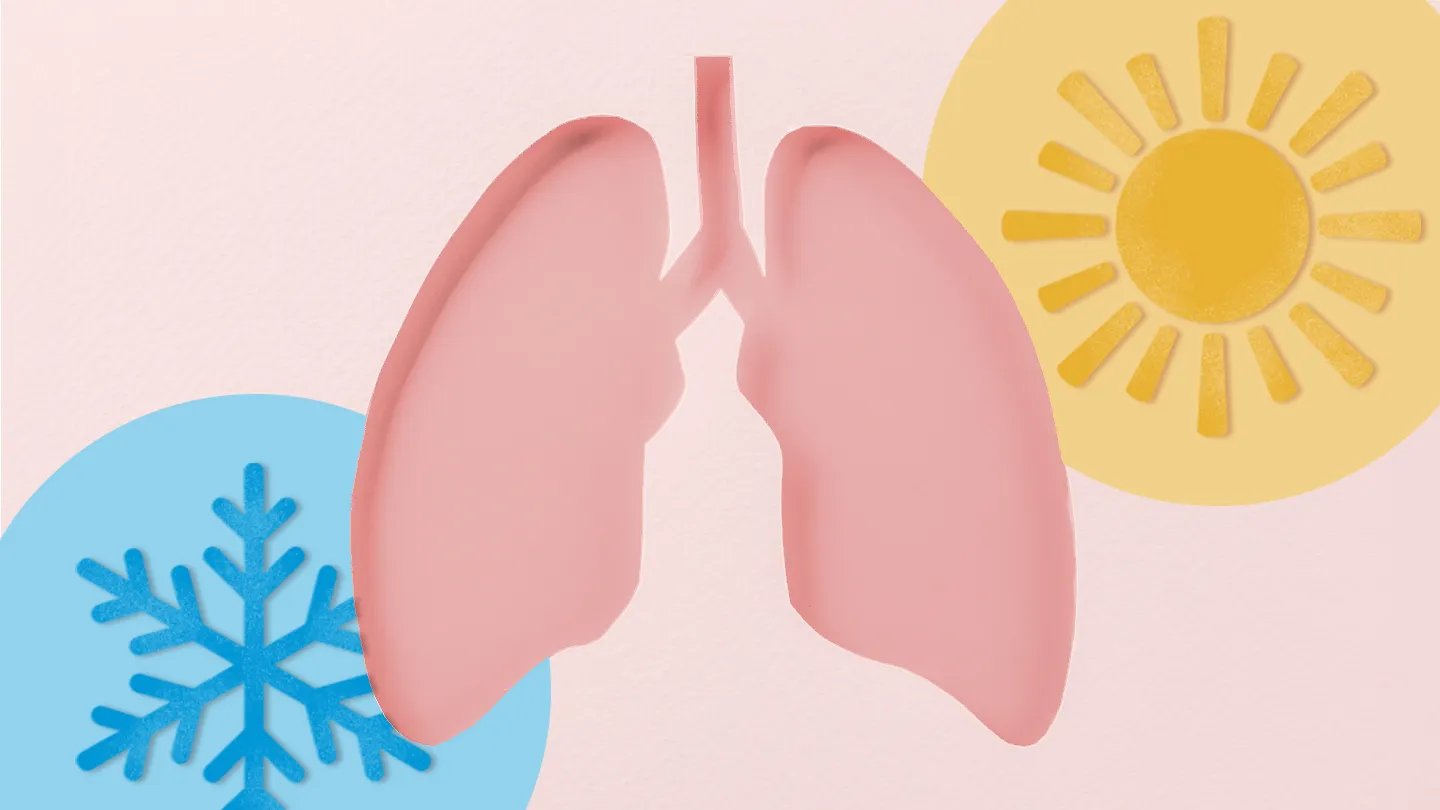
    For people with respiratory diseases, including IPF, weather can cause worse symptoms, also known as flare-ups. This can happen if it’s too hot outside, or too cold, or if it’s too humid or not humid enough. Air pollution can also wreak havoc on your lungs. Any of these triggers can worsen breathlessness, cough, or fatigue.

    Cold Air

    Cold air tends to be drier and denser, and when you inhale, it can trigger cough, throat irritation, and a sensation of chest tightness. In addition, your lungs may produce more mucus, which can also worsen symptoms.

    [1]

    [2]

    “People often unconsciously breathe faster and more shallowly [when the air is cold], which can heighten the feeling of breathlessness,” says Dr. Rice. “Population data show that mortality from pulmonary fibrosis is highest in winter, even after excluding obvious infections, suggesting that cold, infections, and possibly indoor exposures all play a role.”

    Heat and Humidity

    Similarly, when summer rolls around, hot, humid weather can also have a negative impact on your breathing.

    [3]

     High heat, particularly when combined with humidity, can make it more difficult for oxygen to reach the lungs. Humid air is denser, which makes it more difficult for your lungs to draw it in. “It feels ‘heavy,’ and even healthy people require more effort to breathe in hot, humid conditions,” says Rice. “For someone with IPF, whose lungs are already stiff, this extra work can translate into shortness of breath, fatigue, and the need to stop and rest.”

    In addition, she adds, high humidity also provides an ideal environment for mold and other allergens.

    “Studies have found that higher temperatures and higher heat index, which accounts for humidity, increase emergency visits and hospitalizations for chronic lung diseases and risk of respiratory failure,” says Rice.

    [4]

     “In my own research involving patients with COPD, patients report worse breathlessness when exposed to higher temperatures, including summer heat and indoor exposure to heat during the winter.”Heat can also trigger inflammation in the airways, which will aggravate symptoms like coughing and shortness of breath.

    [5]

    Some early research in mice suggests that exposure to high temperatures can damage DNA and cells in the lungs and potentially contribute to IPF progression.

    [6]

    Air Pollution

    In addition, high temperatures can also increase levels of air pollution, which may contribute to IPF flare-ups.

    [7]

    “Air pollution can trigger respiratory symptoms and cause exacerbations of many chronic lung diseases, including IPF,” says Jamie Garfield, MD, a medical spokesperson for the American Lung Association and a professor of thoracic medicine and surgery at the Temple Lung Center at Temple University Hospital in Philadelphia. “Air pollution or particle pollution and poor air quality or ozone can irritate your lungs. Chronic exposure to both particle pollution and ozone can cause coughing, chest tightness, and shortness of breath.”

    She noted that in some patients with IPF, exposure to air pollution can increase oxygen requirements and reduce lung function. “It may also exacerbate otherwise stable disease,” says Dr. Garfield.

    Fibrosis Humidity Idiopathic Impact IPF Pulmonary Symptoms Temperature
    Share. Facebook Twitter Pinterest LinkedIn Tumblr Email
    Previous ArticleHow the Presence of Others Affects Behavior
    Next Article Dietitians Reveal the Best Winter Vegetable to Help You Poop

      Related Posts

      Workouts

      Why Stress Makes You Bloated—and How to Deal With the Uncomfortable Symptoms

      March 31, 2026
      Diet

      Gallbladder Disease: Types, Symptoms, Causes, Treatment

      March 17, 2026
      Diet

      Types, Symptoms, Causes, Treatment, and More

      March 16, 2026
      Add A Comment
      Leave A Reply Cancel Reply

      Top Posts

      New Research Shows Eggs Don’t Raise Your Cholesterol—But Here’s What Does

      August 1, 20256 Views

      6 Best Weightlifting Belts of 2025, According to Trainers

      July 3, 20255 Views

      What happened when I started scoring my life every day | Chris Musser

      January 28, 20262 Views
      Stay In Touch
      • Facebook
      • YouTube
      • TikTok
      • WhatsApp
      • Twitter
      • Instagram
      Latest Reviews
      Tips

      When Is the Best Time to Eat Dinner for Your Health?

      adminJuly 1, 2025
      Diet

      This Intermittent Fasting Method Outperformed the Rest—But There’s a Catch

      adminJuly 1, 2025
      Workouts

      ‘Neckzilla’ Rubel Mosquera Qualifies for 2025 Mr. Olympia After Flex Weekend Italy Pro Win

      adminJuly 1, 2025

      Subscribe to Updates

      Get the latest tech news from FooBar about tech, design and biz.

      Most Popular

      When Is the Best Time to Eat Dinner for Your Health?

      July 1, 20250 Views

      This Intermittent Fasting Method Outperformed the Rest—But There’s a Catch

      July 1, 20250 Views

      Signs, Identification, Impact, and More

      July 1, 20250 Views
      Our Picks

      What Natural Retailers Need to Know

      April 1, 2026

      On a GLP-1? This Is the Workout Plan That Helps You Keep Muscle

      April 1, 2026

      3 Positions That Prove Top-Tier

      April 1, 2026
      Recent Posts
      • What Natural Retailers Need to Know
      • On a GLP-1? This Is the Workout Plan That Helps You Keep Muscle
      • 3 Positions That Prove Top-Tier
      • [Extra! Extra!] Beyond Adrenal Fatigue: Implantable Cell Therapy
      • Results of Human Clinical Research
      Facebook X (Twitter) Instagram Pinterest
      • About Us
      • Contact Us
      • Disclaimer
      • Privacy Policy
      • Terms and Conditions
      © 2025 Fit and Healthy Weight. Designed by Pro.

      Type above and press Enter to search. Press Esc to cancel.