

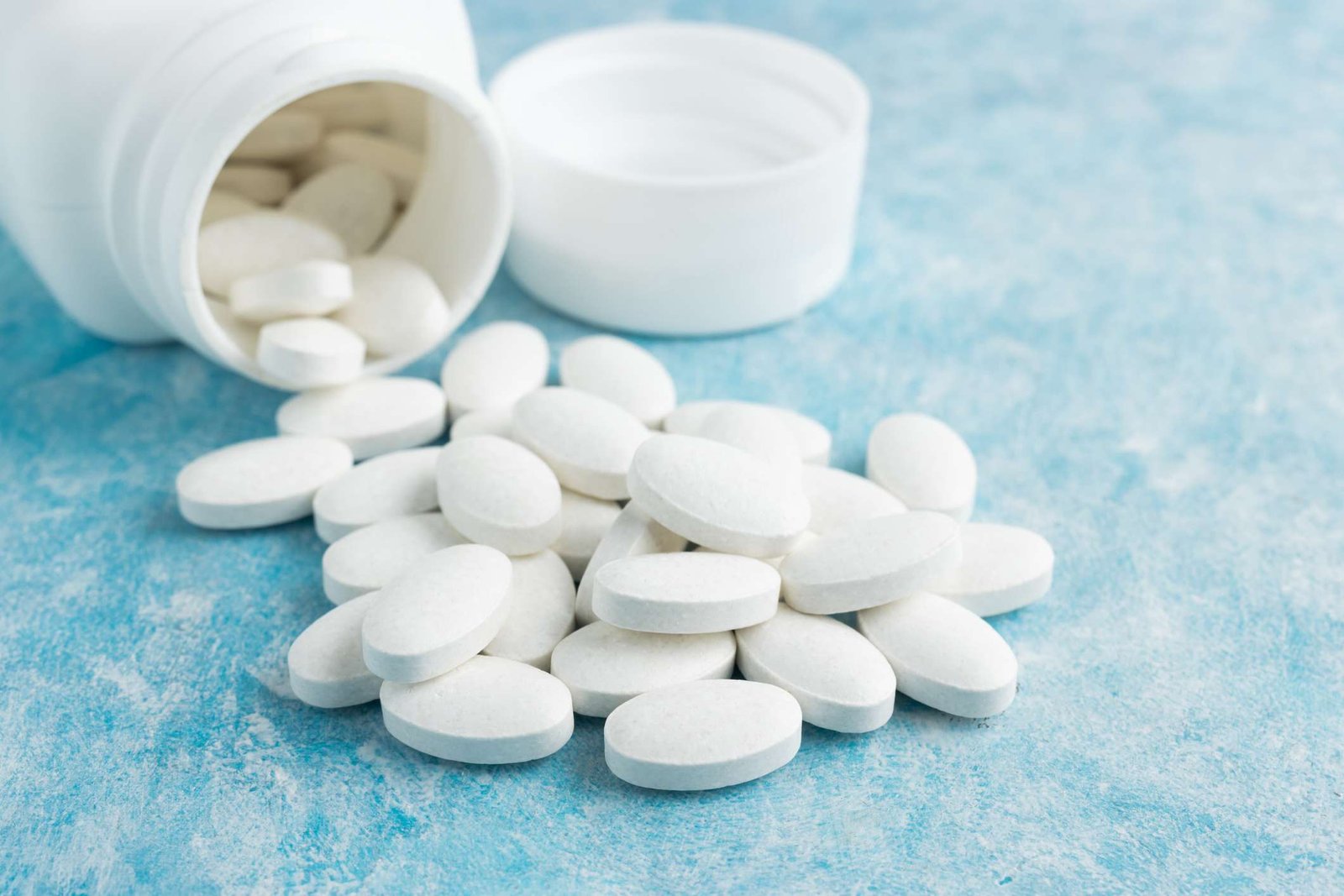
Zinc is an important mineral your body needs for immune function, growth, and wound healing. However, taking too much, especially from supplements, can cause nausea, digestive problems, and interfere with the absorption of other minerals like copper.
Like many nutrients, zinc has a tolerable upper intake level (UL). This is the maximum amount of a nutrient that is unlikely to cause you harm. Consuming too much zinc on a regular basis can lead to zinc toxicity.
The safe upper limit for zinc depends on your age and life stage. These amounts include zinc from both food and supplements:
Age Group
Upper Limit (mg per day)
Birth to 6 months
4 milligrams (mg)
Infants (7–12 months)
5 mg
Children (1–3 years)
7 mg
Children (4–8 years)
12 mg
Children (9–13 years)
23 mg
Teens (14–18 years)
34 mg
Adults (19+ years)
40 mg
Pregnant or breastfeeding adults
40 mg
Note that the upper limits above do not apply to people who take zinc supplements under the guidance of a healthcare provider.
Zinc toxicity most often happens from taking high-dose supplements. It can also occur from overuse of certain products like zinc-containing denture creams. Short-term (acute) symptoms may appear within 3 to 10 hours after taking the supplement and can include:
- Diarrhea
- Stomach cramps
- Nausea
- Vomiting
- Dizziness
- Decreased appetite
- Upset stomach
Long-term (chronic) overconsumption of zinc may lead to more serious effects, such as:
- Weakened immune system: While zinc supports a healthy immune system, getting too much can have the opposite effect.
- Reduced high-density lipoprotein (HDL) cholesterol: High zinc intake may lower HDL cholesterol levels. HDL is known as “good” cholesterol because it can help protect heart health by removing LDL (bad) cholesterol from the body.
- Low copper, iron, or magnesium levels: Getting too much zinc can interfere with how your body absorbs these minerals.
If you or someone you know suspects zinc toxicity, contact a healthcare provider or call your local poison control center right away.
Zinc plays many vital roles in the body, including supporting growth, tissue repair, and the immune response. It also helps maintain taste, smell, and vision.
Here’s how much zinc you should aim for each day based on the recommended daily dietary allowances (RDAs):
Age Group
Male
Female
Pregnancy
Breastfeeding
Birth to 6 months
2 mg
2 mg
7–12 months
3 mg
3 mg
1–3 years
3 mg
3 mg
4-8 years
5 mg
5 mg
9-13 years
8 mg
8 mg
14-18 years
11 mg
9 mg
12 mg
13 mg
19+
11 mg
8 mg
11 mg
12 mg
Most people can meet their zinc needs through a balanced diet. However, some groups are at greater risk of deficiency, including:
- People who follow vegetarian or low-protein diets
- People who have had stomach surgery
- People with digestive disorders such as ulcerative colitis (UC)
- People with alcohol use disorder
- People who are pregnant or breastfeeding
If you have any health conditions or take medications, talk with your doctor about how much zinc is right for you.
