

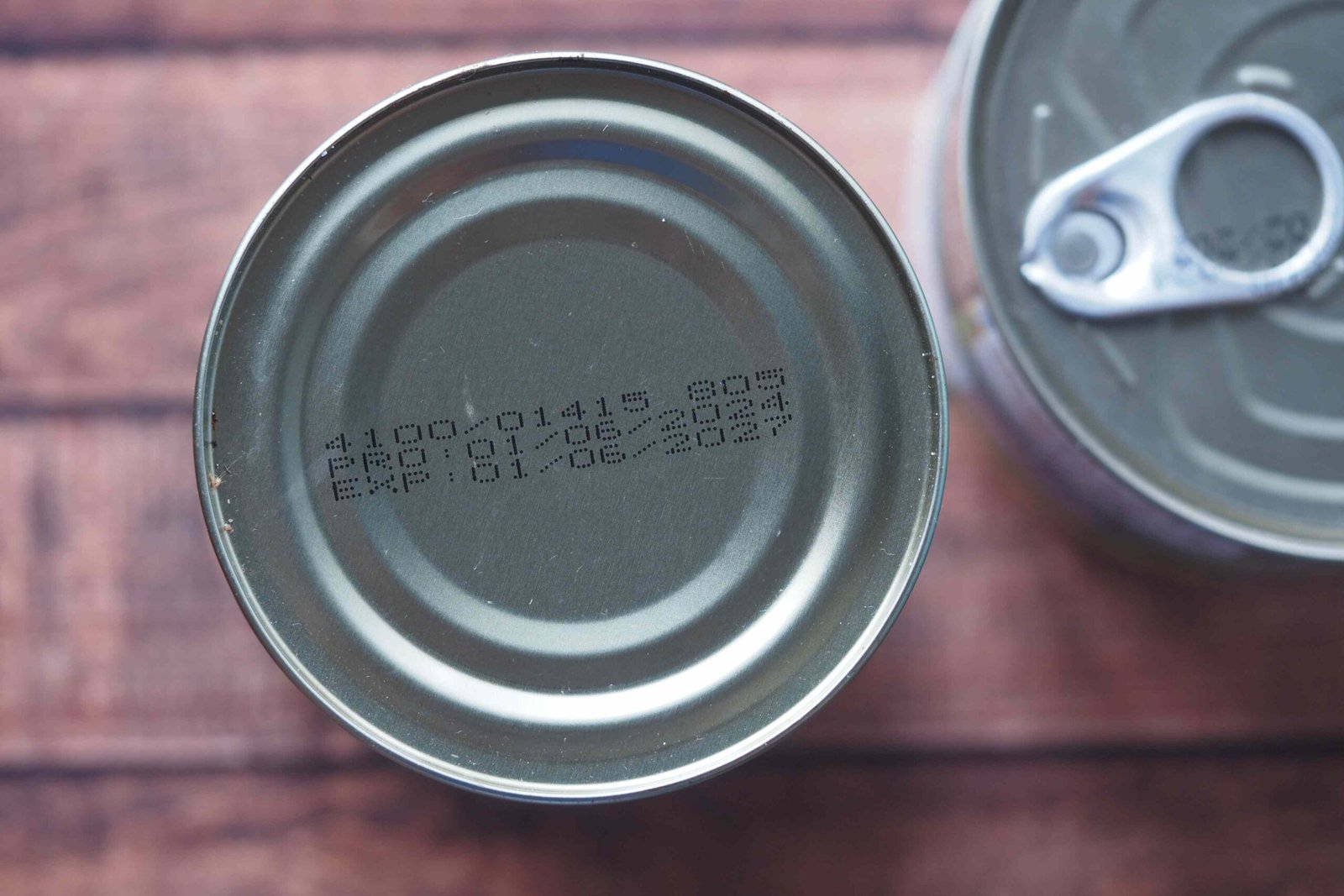
Commercially canned foods can remain safe to eat for about 18 months to five years, depending on the type of food and how you store it. Home-canned foods should be used within one year.
The dates printed on canned foods indicate food quality, not safety. On commercial canned goods, manufacturers use these dates to estimate how long the food will stay at its peak flavor and texture.
Common labels include:
- Best by: Quality and flavor may decline after this date.
- Use by: Consume the food by this date to ensure it is at its best quality.
These dates do not mean the food becomes unsafe immediately after the date passes. If a can is sealed and stored properly, it can stay safe long after the “best by” or “use by” date.
Most canned foods remain safe to eat for years when stored correctly. How long they last depends on the type of food:
- High-acid foods usually last 12 to 18 months. These include canned fruits, tomatoes, pickles, and sauerkraut. Over time, the acid can react with and corrode the can’s lining, affecting taste and texture and eventually reducing the food’s nutritional value.
- Low-acid foods usually last 2 to 5 years. These include canned meat, poultry, vegetables, stews, and soups. These foods stay safe longer because they do not break down the can lining as quickly, preserving the food’s quality.
For food quality and safety, experts recommend using home-canned foods within one year. Store your home-canned foods in a cool, dark place to preserve their quality.
Before eating home-canned food, make sure the lid is still curved down and doesn’t move when you press the center. Throw out any jars with broken seals, mold, or leaks.
Where you store canned foods affects both safety and quality over time. Proper storage helps canned foods last as long as possible. Tips for storing canned foods safely include:
- Cool, dry storage: Store cans in a cool, dry place away from heat sources such as stoves, furnaces, and direct sunlight.
- Avoid humid areas: Humidity can cause cans to rust. Do not store cans under sinks or in damp garages or basements.
- Use older first: Arrange your pantry so you use older cans before newer ones.st.
- Do not freeze canned foods: Freezing can cause liquids to expand, potentially breaking the seal and increasing the risk of foodborne illness, such as botulism.
You can often tell if canned food is unsafe by looking at the can before you open it. Throw away any cans that have these signs:
- Bulging or swollen ends
- Deep dents, especially along seams
- Heavy rust that doesn’t come off when you wipe it with your finger or a paper towel
- Leaks or sticky residue on the outside
- Liquid or foam that spurts out when opened
- Foul odors or unusual colors inside the can
These signs can mean the can or seal is damaged, increasing the risk of bacteria entering and growing inside the can. Never taste food from a can that looks damaged or smells bad.
Some bacteria can cause foodborne illness, with symptoms such as nausea, vomiting, stomach cramps, and diarrhea. When in doubt, throw it out.
