

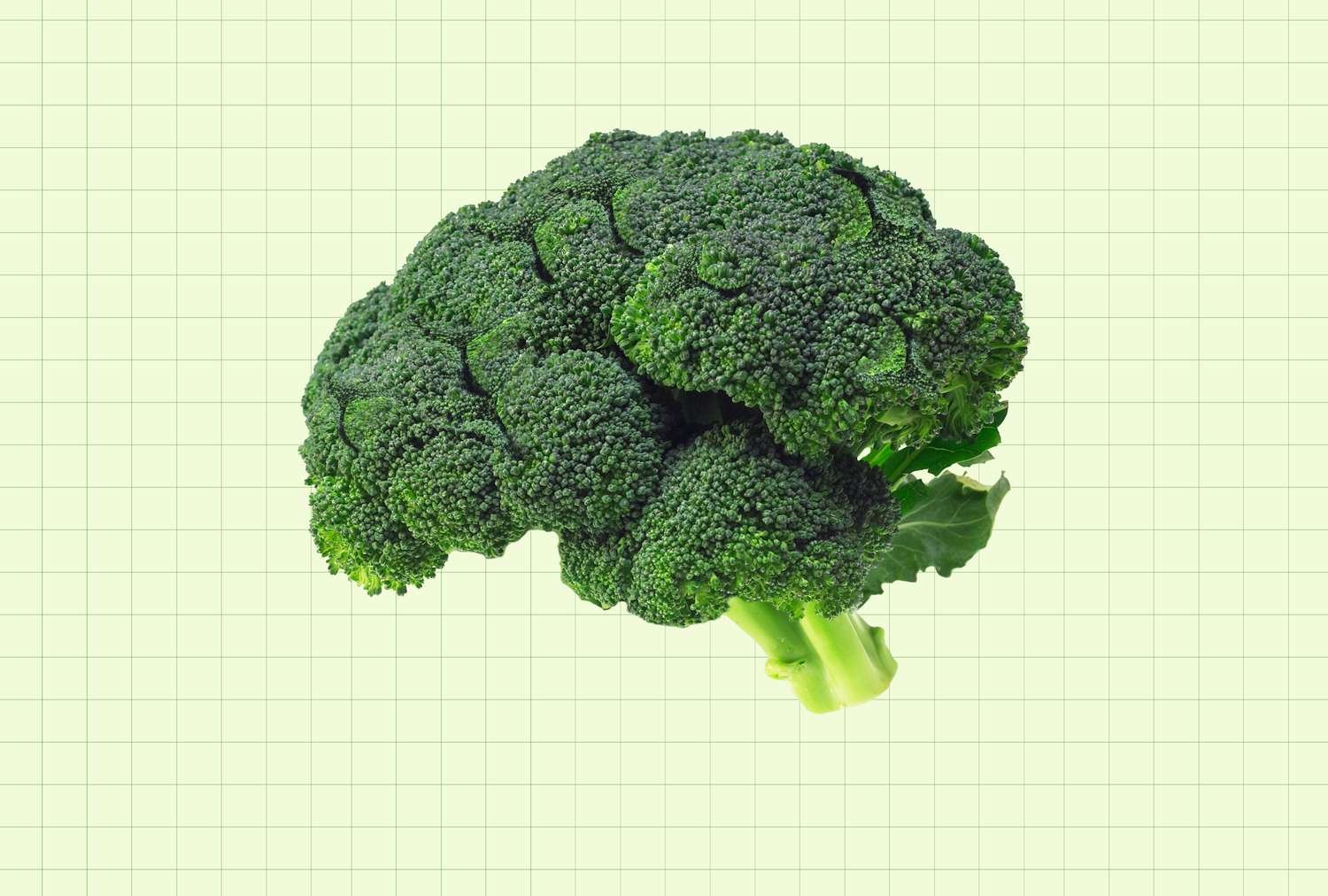
- Folate is a B vitamin that plays a role in many aspects of your health, including your brain.
- Low folate intake is linked to mood disorders, depression, dementia and neural tube defects during pregnancy.
- Folate is found in many foods, including leafy greens, beans and some fruits.
As one of the most familiar B vitamins, folate plays a significant role in various aspects of your health. From the production of DNA and red blood cells to proper cell division and tissue growth, getting enough of this vital vitamin helps your body function at its best. Folate’s benefits stretch far beyond the cells, reaching into the very processes your brain depends on for clarity, memory and emotional balance. But when you don’t get enough folate, these processes can slow down, making it harder for your brain to do its job effectively. To get a clearer picture of what happens to your brain when folate runs low, we sat down with a dietitian who specializes in brain health to break down the details.
What Happens to Your Brain Without Adequate Folate
Higher Chance of Mood Disorders and Depression
Falling short on folate can take a toll on your mental and emotional well-being. Maggie Moon, M.S., RDN, a registered dietitian and brain-health expert, explains that your brain relies on this key nutrient to make mood-regulating neurotransmitters like serotonin and dopamine. However, when folate levels drop too low, the risk of mood disorders and depression can rise. In fact, Moon highlights that 1 in 2 people with mood disorders have low folate levels, and folate deficiency is strongly associated with depression. She notes that common symptoms to look out for include fatigue, apathy and irritability. Fortunately, studies suggest that if your baseline folate levels are low, increasing your folate intake can help improve these mental health symptoms. That said, Moon emphasizes that depression can have many contributing factors. So, it’s best to consult your health care provider to pinpoint the underlying cause and determine the right treatment for you.
Rising Risk of Alzheimer’s Disease and Dementia
Low folate levels can also impact Alzheimer’s disease and dementia risk. “Normally, folate, along with vitamins B6 and B12, work together to convert a byproduct of protein metabolism called homocysteine into helpful compounds, including those with antioxidant properties,” says Moon. However, she explains that when the body isn’t getting enough folate or is unable to use it properly, homocysteine levels tend to build up.“It’s important to keep homocysteine levels in check because elevated levels are associated with an increased risk of cardiovascular disease, which, in itself, is a risk factor for Alzheimer’s disease and vascular dementia.”
Challenges with Focus and Thinking
Not getting enough folate can even make simple mental tasks more challenging than usual. “Recent research suggests symptoms of folate deficiency may include difficulty concentrating and thinking on a higher level about concepts and ideas,” says Moon. This is because without folate, your brain may have a harder time processing information efficiently, leading to brain fog and trouble staying focused. To improve your cognitive function, Moon emphasizes that adequate folate intake is a significant part of the brain-healthy MIND diet, which is associated with a “younger” functioning brain.
Greater Likelihood of Neural Tube Defects During Early Pregnancy
During pregnancy, a lack of folate can also affect your baby’s developing brain and spinal cord. The neural tube, which forms into these vital organs, closes around four weeks after conception—often before most people know they are expecting. Folate plays a vital role in this process. When levels are insufficient, the neural tube fails to close completely, and the backbone that protects the spinal cord does not form properly. As a result, the chances of neural tube defects such as spina bifida, anencephaly and encephalocele increase. This is why it is essential to consume enough folate before and during pregnancy to encourage proper neural tube development and prevent any potential defects.
Best Ways to Get Folate
When it comes to meeting your folate needs, Moon outlines that adults should aim for at least 400 micrograms per day, while those who are pregnant or lactating require 500 to 600 mcg per day.
To reach the daily requirement, Moon shares that eating your greens is one of the best ways to boost your folate intake. However, it’s also found in some beans, fruits, nuts, dairy foods, eggs and seafood. The highest sources of folate include:
- Leafy green vegetables: Spinach, Brussels sprouts, mustard greens, turnip greens, broccoli, lettuce
- Beans and legumes: Black-eyed peas, green peas, kidney beans, peanuts
- Fruits: Avocado, oranges, papaya
- Vegetables and marine algae: Asparagus, seaweed
- Fortified foods: Breakfast cereals, spaghetti, bread
As for folate supplements, Moon points out that they have an advantage over folate-rich foods in terms of absorption. But they also come with an upper limit because taking too much can cause side effects—something that doesn’t apply to food sources. Moon warns that excess folate from supplements can mask a B12 deficiency, potentially resulting in neurological damage that can’t be reversed.
If you do choose to take a supplement, Moon notes that most supplements provide around 400 mcg of folic acid, which is well below the upper limit of 1,000 mcg per day. When taken on an empty stomach, folic acid is a highly absorbable form of folate commonly used in supplements.However, Moon shares that some supplements contain a form of folate called methylated folate, which is easier for people with certain gene variants to absorb and may also help lower homocysteine levels.
Our Expert Take
Folate may be known for its genetic and red blood cell-supporting benefits, but it’s also required for proper brain health and development. When your intake of this essential vitamin slips, the effects may show up as mood disorders, depression, memory loss, difficulty focusing and processing information or neural tube defects during pregnancy. Fortunately, you can increase your folate levels by consuming leafy greens, beans, legumes, fortified food or taking a supplement. Just be sure to consult a health care professional to determine what’s right for you.
Frequently Asked Questions
What are the signs of folate deficiency?
The primary sign of folate deficiency is a blood disorder called megaloblastic anemia. It is characterized by fatigue, irritability, heart palpitations, difficulty focusing and shortness of breath. Other signs include changes in the color of the hair, skin or fingernails, as well as painful sores on the tongue or inside of the mouth.
What are the best food sources of folate?
The best sources of folate include leafy green vegetables, such as spinach, mustard greens, turnip greens, Brussels sprouts, broccoli and lettuce. Beans, legumes, seaweed and fortified grains are also good sources.
What is the best form of folate to take as a supplement?
Many supplements come in the form of folic acid, which is the only form of folate proven to help prevent neural tube defects. Those that contain methylated folate may be easier to absorb for people with certain gene variants.
