

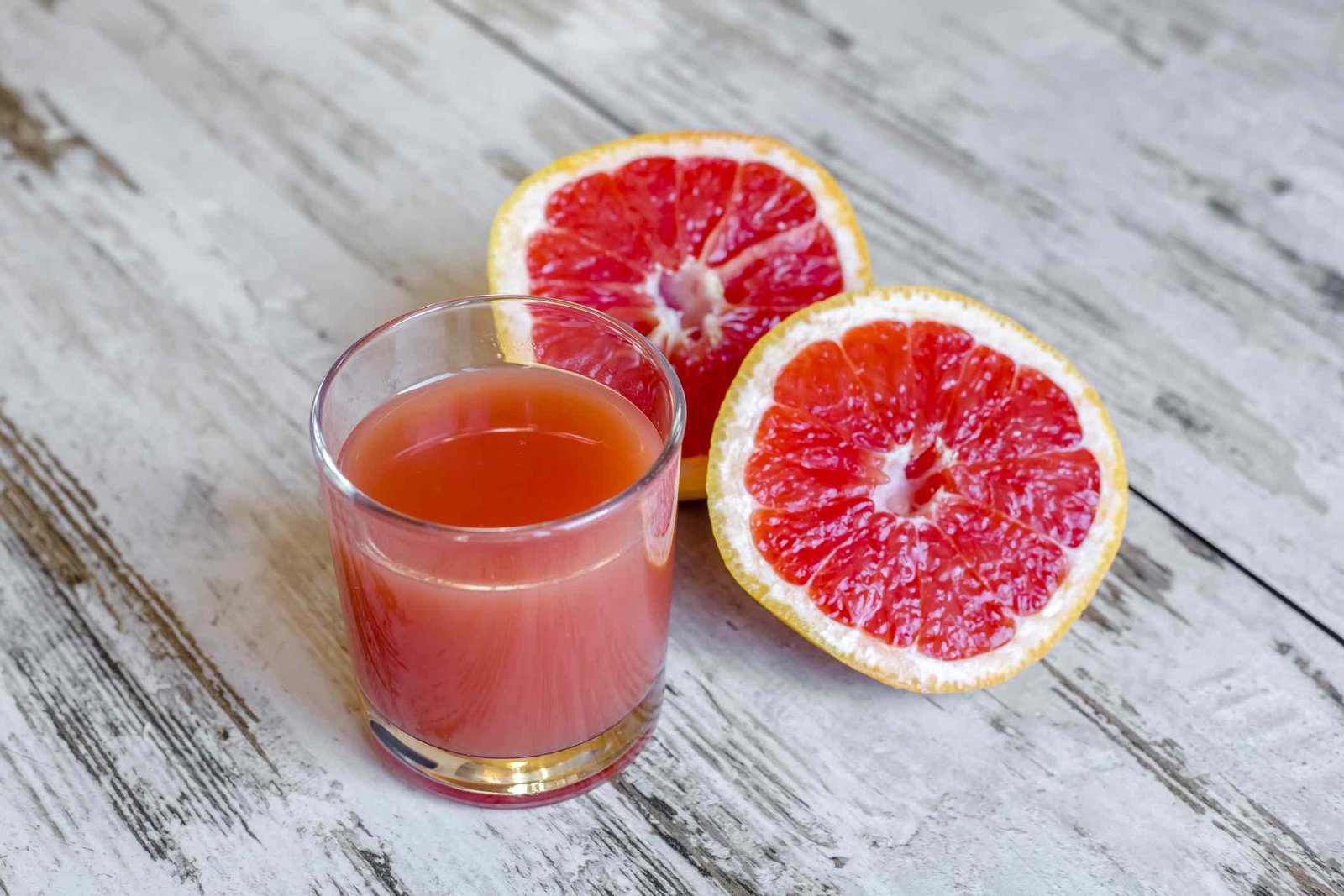
What is the most important information I should know about grapefruit interactions?
Grapefruit and grapefruit juice can change how some bipolar medications are processed in your body. Always discuss with your physician any food or drug interactions related to your medications.
Grapefruit can interfere with the metabolism of certain drugs, including bipolar medications. As a result, eating grapefruit or drinking grapefruit juice when taking these medications can inadvertently increase their concentration to potentially toxic levels.
Bipolar drugs are not the only ones affected. Also on the list of medications impacted by grapefruit are those used to treat everything from high cholesterol and arrhythmia to allergies and intestinal diseases. Even Viagra can be impacted by grapefruit consumption.
Why Grapefruit Juice Affects Drugs
Grapefruit juice can interact with many psychotropic drugs, including those for anxiety, depression, and psychosis. This occurs because grapefruit contains furanocoumarins, compounds that block the CYP3A4 enzyme, which usually helps break down these medications.
When this enzyme is blocked, the concentration level of the drug in the blood will be higher than expected. This can make the intended effect and side effects of the drug stronger—even dangerous.
Grapefruit and some of the related citrus can irreversibly inhibit the CYP3A4 enzyme. So, drugs that it affects should not be taken with grapefruit or any of the related citrus, or alternative medications should be prescribed.
While other citrus fruits like pomelos, limes, and Seville oranges also contain furanocoumarins, they haven’t been studied as closely.
Effects of Mixing Grapefruit With Medications
The extent of grapefruit’s effect on medications varies. For some drugs, a single small glass of juice can double or triple the dose in your body.
For example, as much as 99% of BuSpar (buspirone) is normally metabolized before the drug enters the bloodstream. As demonstrated in past research, when taken with grapefruit juice, the concentration can increase by 400% or four-fold.
Grapefruit’s effects on drug metabolism can be long-lasting. This fruit can interact with certain drugs anywhere from several hours to three days after ingestion.
Although it is purely speculative to suggest who the most vulnerable patient would likely be, people over 45 years old are the prime purchasers of grapefruit and receive the most prescriptions for drugs.
Medications Grapefruit Can Affect
More than a dozen drugs commonly used to treat bipolar disorder symptoms are affected by grapefruit to varying degrees, including:
- Anafranil (clomipramine)
- BuSpar (buspirone)
- Elavil (amitriptyline)
- Halcion (triazolam)
- Luvox (fluvoxamine)
- Prozac (fluoxetine)
- Seroquel (quetiapine)
- Serzone (nefazodone)
- Tegretol (carbamazepine)
- Trazodone (desyrel)
- Valium (diazepam)
- Versed (midazolam)
- Zoloft (sertraline)
Lamictal (lamotrigine) is one bipolar medication that does not appear to interact with grapefruit juice. However, it’s always best to check with your prescribing physician or pharmacist to make sure.
While clinically significant events due to grapefruit/drug interactions have been reported with some medications, more research is needed to better understand the severity and risk associated with such interactions.
Before You Mix Grapefruit With Medications
Drugs that interact with grapefruit typically share these characteristics:
- They are taken orally
- Have low bioavailability
- Are metabolized by the CYP3A4 enzyme
- Have a narrow therapeutic index
Always check the medication’s packet insert for interaction details. Usually, this appears around the fifth paragraph with wording like, “Talk with your doctor before including grapefruit or grapefruit juice in your diet while you are taking this medicine.”
Each year, more drugs are identified as having a possible interaction with grapefruit. However, you may still be able to enjoy grapefruit or grapefruit juice if taken according to your physician’s instructions. Alternatively, you may be able to substitute other citrus fruits or drinks to obtain health benefits.
Speak with your care provider and tell them about any medications, substances, or supplements you are currently taking to avoid any potentially dangerous interactions.
Verywell Mind uses only high-quality sources, including peer-reviewed studies, to support the facts within our articles. Read our editorial process to learn more about how we fact-check and keep our content accurate, reliable, and trustworthy.
Siwek M, Krupa AJ, Woroń J. Interactions between grapefruit juice and psychotropic medications: an update of the literature and an original case series. Exp Opin Drug Metab Toxicol. 2024;20(5):333-345. doi:10.1080/17425255.2024.2352468
U.S. Food and Drug Administration. Grapefruit juice and some drugs don’t mix.
Ayano G. Psychotropic medications metabolized by cytochromes P450 (CYP) 1A2 enzyme and relevant drug interactions: review of articles. Austin J Pharmacol Therap. 2016;4(2):1085.
Chretien MC, Bailey DG, Asher L, et al. Drug administration and grapefruit. BMJ Open. 2020;10:e034086. doi:10.1136/bmjopen-2019-034086
National Cancer Institute. Furanocoumarin.
Lilja JJ, Kivistö KT, Backman JT, Lamberg TS, Neuvonen PJ. Grapefruit juice substantially increases plasma concentrations of buspirone. Clinical Pharmacology and Therapeutics. 1998;64(6):655-660. doi:10.1016/S0009-9236(98)90056-X
Ellingrod VL. Grapefruit juice and psychotropics: How to avoid potential interactions. Curr Psychiatry. 2015;14(6):60-66.
Bailey DG, Dresser G, Arnold JM. Grapefruit-medication interactions: forbidden fruit or avoidable consequences?. CMAJ. 2013;185(4):309–316. doi:10.1503/cmaj.120951
Greenblatt DJ, Derendorf H. Grapefruit-medication interactions. CMAJ. 2013;185(6):507. doi:10.1503/cmaj.113-2109
Thanks for your feedback!
What is your feedback?
Helpful
Report an Error
Other
