

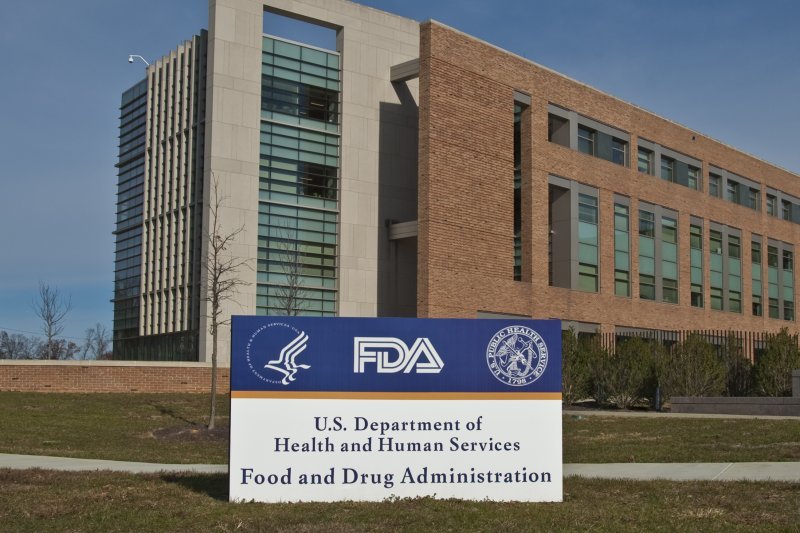
On March 27, the U.S. Food and Drug Administration (FDA) hosted a public meeting on the scope of dietary supplement ingredients. The event was held in-person from 9 a.m. to 3 p.m. EST at Wiley Auditorium, 5001 Campus Drive in College Park, MD and virtually.
FDA’s Office of Dietary Supplement Programs (ODSP) invited stakeholders to participate in a public meeting to discuss the evolving landscape of dietary supplement ingredients and how recent scientific and technological advances are shaping the industry.
The Federal Food, Drug and Cosmetic Act (FD&C) defines “dietary supplement,” in part, as a product that contains one or more dietary ingredients including “a dietary substance used by man to supplement the diet by increasing the total dietary intake,” according to Section 201(ff)(1)(E) of the FD&C Act.
“Scientific and technological advancements have led to an increase in development of novel ingredients,” FDA wrote. “For example, new technologies and approaches are being applied to the science of dietary supplements, including precision fermentation, cell culture technology, and recombinant production, which has led to the development of bioactive compounds derived from foods, plants, and other sources. Accordingly, it would be helpful to better understand how these scientific and technical advancements intersect with dietary ingredient production to inform our assessment.”
The public meeting included opening remarks from Kyle Diamantas, JD, deputy commissioner for Human Foods, at FDA, three sessions with Q&A, and an open public comment with several executives from FDA.
The first session focused on the meaning of the phrase “dietary substance for use by man to supplement the diet increasing the total dietary intake” and how emerging ingredient types fit within the dietary supplement framework.
The panelists were:
- Jensen Jose, regulatory counsel, Center for Science in the Public Interest (CSPI)
- Daniel Fabricant, PhD, president and CEO, Natural Products Association (NPA)
The second session discussed production technologies that are being applied to the science of dietary supplements including synthesis, precision fermentation, cell culture technology and recombinant production, and how these advancements intersect with dietary ingredient production to inform our assessment.
The panelists were:
- Weslee Glenn, vice president of innovation, Ayana Bio
- Duffy MacKay, senior vice president of dietary supplements, Consumer Healthcare Products Association (CHPA)
- John Deaton, vice president of science and technology, Biohm Technologies
- Tony Pavel, partner, Keller and Heckman LLP
- Frank Romanski, global vice president of strategic growth & revenue management, Lonza Capsules & Health Ingredients
The third sessions explored questions related to determining the identity of notable supplement ingredients such as proteins, enzymes and microorganisms, which are not specifically listed in Section 201(ff)(1) of the FD&C Act, and the different attributes that are important for assessing identity.
The panelists were:
- Elvira Gonzalez de Mejia, professor, University of Illinois Urbana-Champaign
- Linda Neckmar, senior vice president human health, Novonesis
- Andrea Wong, senior vice president & chief science officer, Council for Responsible Nutrition (CRN)
- Gregory Leyer, founder, Biotic Solutions Consulting
- Amy Smith, senior director, medical affairs North America, Kerry ProActive Health
To view the full event, visit https://www.youtube.com/watch?v=IEZ0lQ1JOnY.
