

Key Takeaways
- Fawning is a trauma response where someone tries to please others to avoid harm.
- It can make a person overly cooperative and cause them to ignore their own needs.
- Therapy can help by addressing the trauma and teaching new coping skills.
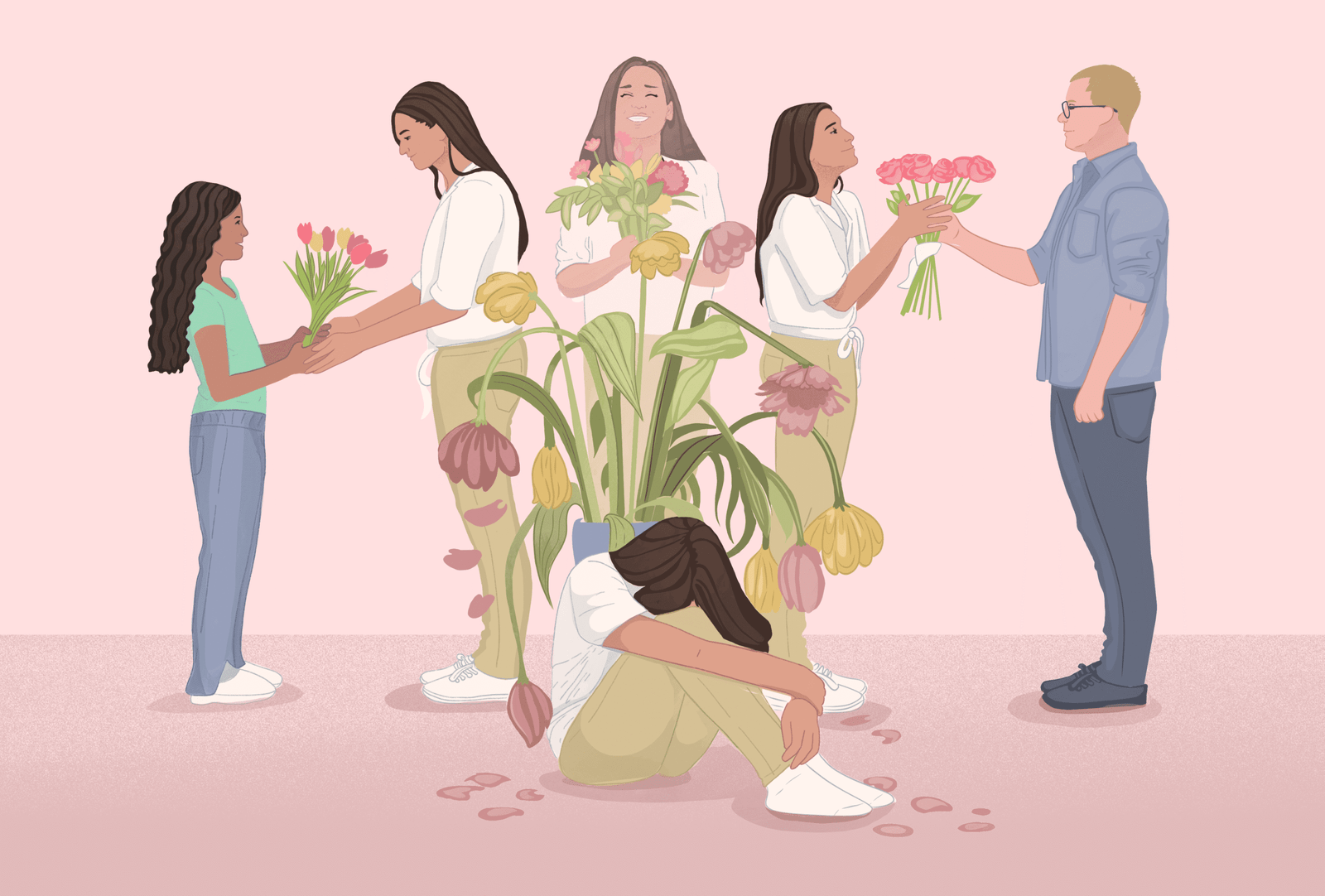
You may have heard of the four fear responses: fight, flight, freeze, and fawn. “Fawning” refers to when an individual copes with a perceived danger by attempting to appease whoever is causing the danger in order to prevent them from causing harm.
Sometimes, trauma and abuse survivors will fawn in response to their abuse in an effort to keep the abuser happy. While abuse is never the victim’s fault, victims may feel responsible for their abuser’s behavior and fawn in an attempt to prevent abusive behavior.
Fawning can also appear as compliance to prevent harm. For example, if an individual knows their attacker will harm them physically if they fight back, they may comply in order to protect themselves. This does not mean that they consented to abuse or assault; it simply means they were trying to prevent the situation from escalating.
What Does Fawning Look Like?
Fawning is sometimes referred to as “people-pleasing.” When someone is fawning, they may appear overly cooperative or helpful, sometimes to their own detriment. They might minimize or fully deny their own needs, struggle to say “no” even to unreasonable requests, or agree with those around them even if this does not reflect their real feelings or values.
Most people engage in people-pleasing behavior from time to time. For example, if your boss makes a request that you do not want to do, you might say that you are happy to help, especially if that request is part of your job responsibilities.
However, people who fawn may be unable to stop the people-pleasing behavior at other times and may neglect their own needs in extreme and unhealthy ways. Additionally, while you might comply with your employer because you prefer to keep your job, a person who is fawning may experience significant fear or anxiety about what would happen if they do not keep those around them happy.
When someone has a fawning response, they might struggle to even recognize their own feelings and needs. They often look to those around them rather than trusting their own emotional response. They likely struggle with healthy boundaries as well.
Examples of Fawning
Like other fear and trauma responses, fawning can look many different ways. Additionally, some behaviors may be a fawning response in some contexts but may also be healthy in others. A fawning reaction occurs specifically when the individual is afraid of the response or backlash if they do not keep others happy. Some examples of fawning include:
- Difficulty setting and maintaining healthy boundaries in relationships
- Making decisions based on what others want rather than your own needs
- Agreeing with others’ preferences rather than indicating your own
- Becoming involved in conflict in an attempt to de-escalate, even if you are not involved in the situation
- Holding yourself responsible for other people’s behavior
What Kind of Trauma Causes Fawning?
There is no one correct way to respond to fear, abuse, and trauma. Two people may respond to similar stressors in very different ways. Additionally, someone who has a fawning response in one situation may engage in a flight or freeze response in another situation.
People who perpetrate abuse are not typically abusive in every situation and interaction. In fact, the cycle of abuse consists of a “honeymoon” period when the abuser may be overly caring towards their victim and periods of calm when abusive behavior is not present. This can cause the victim to feel that, if they just behaved the right way, the cycle would end, and the abuser would remain in the calm or “honeymoon” phases of the relationship all the time.
Abusive people also often control their victims’ behavior, finances, and interpersonal relationships, forcing the victim to rely on them. If the abuser engages in gaslighting, the victim may feel that they cannot trust their own perception, increasing their reliance on the abuser. These patterns and cycles of behavior can cause a trauma bond, or when a victim feels love and attachment to their abuser, often to the point that they protect or defend the abuser from the consequences of their behavior.
Due to these patterns, fawning responses often occur in the context of an abusive relationship, including children who are abused by parents or guardians or intimate partner violence.
Fawning is not exclusive to relationships, though. If someone finds themselves in an unsafe situation, such as an abduction or an assault, they may fawn to try and minimize harm from the assailant. It is important to remember that a fawning is an unconscious automatic protective response and is not the cause of abuse or harmful behavior.
If you or a loved one are a victim of domestic violence, contact the National Domestic Violence Hotline at 1-800-799-7233 for confidential assistance from trained advocates. You also can text LOVEIS to 22522 as well. The advocates who volunteer with these organizations have been trained in how to assist people who need help escaping from abusive situations. It’s likely they can help you identify additional ways to stay safe.
You need to know that you are not alone and there are people always available to assist you.
For more mental health resources, see our National Helpline Database.
What Does It Mean If Someone Is Fawning?
Since fawning is a response to perceived danger, if someone is fawning, they typically have a history of abuse and are trying to maintain a sense of safety. In the past, fawning behavior may have effectively kept them safer at the moment abuse was taking place. When a behavior keeps us safe (or when we believe a behavior keeps us safe), we are more likely to engage in that behavior again in the future.
Perceived danger does not necessarily equal actual danger. If someone is fawning, it does not mean they are presently at risk for abuse; they may be re-enacting previous behaviors that kept them safe.
How Can I Stop Fawning?
Since fawning is a trauma response, it can help address the underlying traumatic events or relationships that caused the response to develop. A therapist can help with this. Many different therapies can help with trauma, including eye movement desensitization and reprocessing (EMDR), trauma-focused cognitive behavioral therapy (TF-CBT), and creative arts therapies.
When you have not been able to acknowledge your own needs, it can take time to develop insight and even realize what they are. Take time to consider your preferences and values, and get to know your authentic self. Since fawning likely helped you survive in the past, it can take time to unlearn this skill when it no longer serves you and learn more appropriate ways of dealing with perceived dancer.
How Can I Support Someone Who Is Fawning?
It can be difficult to address fawning responses because many nervous systems find them helpful. For example, a child who is fawning in school is often labeled as “helpful,” “considerate,” or “a delight to have in class.” Teachers might not even realize they are reinforcing a fear response. Learn to recognize when someone is fawning so that you can support them in their efforts to let go of this response.
You might feel defensive if you realize that a loved one is engaging in a fear response. You might think you are a safe person, and therefore they should not feel the need to fawn. Remember that trauma responses persist even after the trauma has ended, so their fawning response may have nothing to do with you. Work with your loved one to reassure them it is ok for them to express their needs.
If the person who is fawning is your romantic partner or a family member, couples therapy or family therapy might help open up healthy communication and teach you skills to support your loved one on their healing journey.
Verywell Mind uses only high-quality sources, including peer-reviewed studies, to support the facts within our articles. Read our editorial process to learn more about how we fact-check and keep our content accurate, reliable, and trustworthy.
Rakovec-Felser Z. Domestic Violence and Abuse in Intimate Relationship from Public Health Perspective. Health Psychol Res. 2014;2(3):1821. doi:10.4081/hpr.2014.1821
Breines J. Call me crazy: The subtle power of gaslighting. Berkeley Science Review. April 2012.
Perlini C, Donisi V, Rossetti MG, Moltrasio C, Bellani M, Brambilla P. The potential role of EMDR on trauma in affective disorders: A narrative review. Journal of Affective Disorders. 2020;269:1-11.
McGuire A, Steele RG, Singh MN. Systematic review on the application of trauma-focused cognitive behavioral therapy (TF-CBT) for preschool-aged children. Clin Child Fam Psychol Rev. 2021;24(1):20-37.
Perryman K, Blisard P, Moss R. Using creative arts in trauma therapy: the neuroscience of healing. Journal of Mental Health Counseling. 2019;41(1):80-94.
Thanks for your feedback!
What is your feedback?
Helpful
Report an Error
Other
