
Close Menu
Fit and Healthy Weight

    Subscribe to Updates

    Get the latest creative news from FooBar about art, design and business.

    What's Hot

    5 Chain Restaurants Serving the Best Chicken Fried Steak and Mashed Potatoes

    April 2, 2026

    What Is ‘Plastic Bag Theory’? Why ‘Easygoing’ Men Can Be Exhausting

    April 2, 2026

    36 Hours in Queenstown, New Zealand: Things to Do and See

    April 2, 2026
    Facebook X (Twitter) Instagram
    Facebook X (Twitter) Instagram
    Fit and Healthy Weight
    Thursday, April 2
    • Home
    • Diet
    • Mindset
    • Recipes
    • Reviews
    • Stories
    • Supplements
    • Tips
    • Workouts
    Fit and Healthy Weight
    Home»Diet»Eating 2 Kiwis a Day Could Help Your Skin Look Younger and Healthier
    Diet

    Eating 2 Kiwis a Day Could Help Your Skin Look Younger and Healthier

    By December 19, 2025No Comments3 Mins Read
    Share Facebook Twitter Pinterest LinkedIn Tumblr Reddit Telegram Email
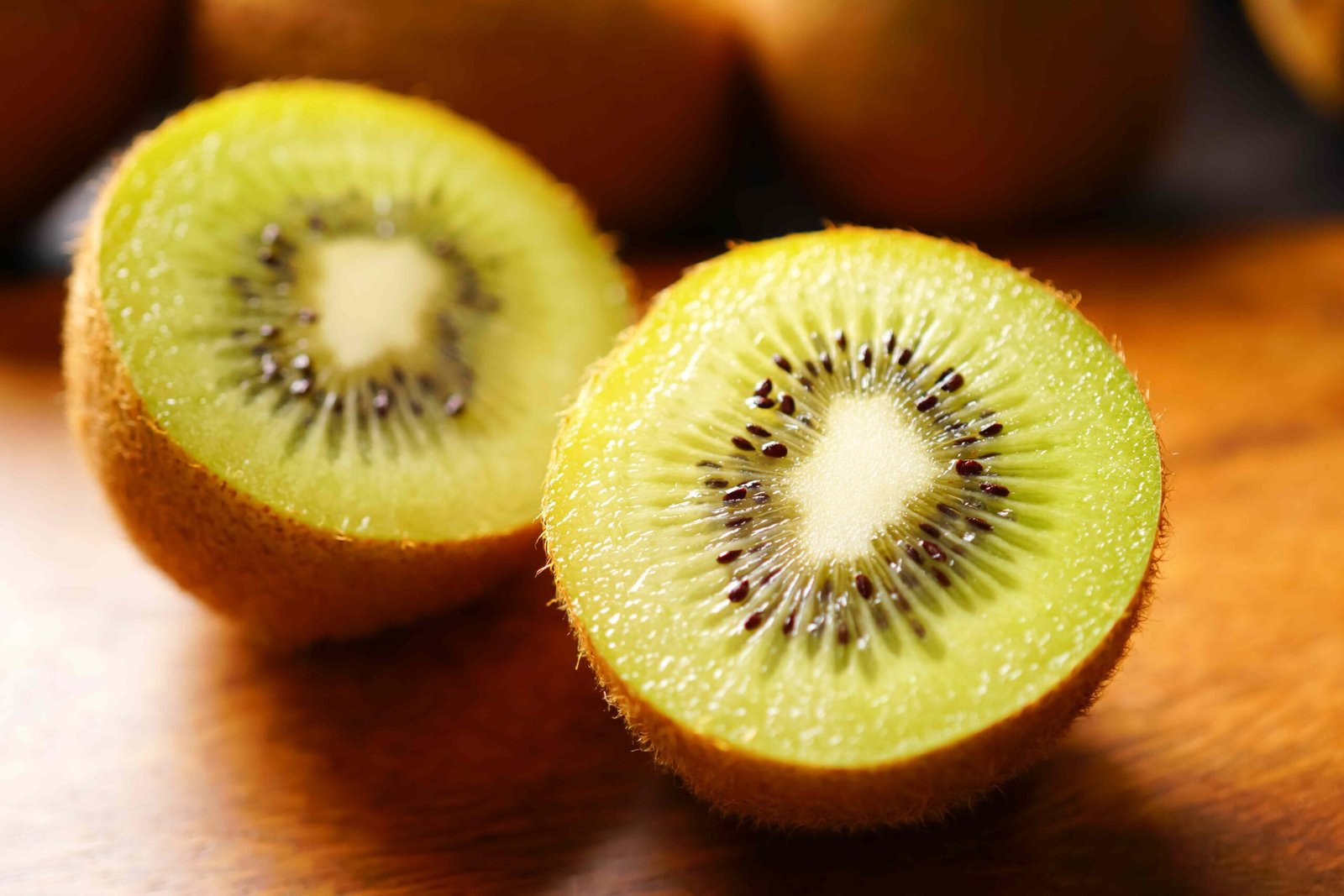
    Eating 2 Kiwis a Day Could Help Your Skin Look Younger and Healthier
    Kiwis are rich in vitamin C, a nutrient known to support skin health.

    KPS / Getty Images

    Share
    Facebook Twitter LinkedIn Pinterest Email


    Move over creams and serums—there may be a tastier way to support skin health.

    A new study published in the Journal of Investigative Dermatology found that eating two kiwis a day may increase vitamin C levels in the skin and support collagen production, a protein that helps keep skin firm and elastic.

    The study was small and doesn’t prove that kiwi consumption directly led to the skin changes. Still, the findings hint at the possibility that eating vitamin C—not just slathering it on—could play a role in healthier-looking skin.

    Vitamin C’s role in skin health—and its ability to support collagen production—is well established, which is why it’s often included in skincare products. But few studies have measured whether eating vitamin C-rich foods meaningfully boosts levels of the vitamin in the skin itself.

    To explore that question, researchers recruited participants from New Zealand and Germany. They instructed the group of 38—most of them women, with an average age of 57—to eat two SunGold kiwis daily for eight weeks (each fruit contains about 125 milligrams of vitamin C). Researchers collected skin and blood samples at the start and end of the study.

    After eight weeks, vitamin C levels in both the blood and skin were higher. Those increases were “linked with firmer, denser skin and faster renewal of the outer layer, which are signs that the skin’s collagen-related processes may be supported,” explained Michelle Routhenstein, MS, RD, CDCES, CDN, a cardiology dietitian at Entirely Nourished.

    The researchers concluded that increasing dietary vitamin C intake can raise vitamin C levels in the skin, potentially supporting collagen-related processes.

    While previous research has found that eating kiwis boosts vitamin C levels in the blood, this study is among the first to indicate that dietary vitamin C “translates into higher vitamin C inside the skin and measurable changes in skin density and renewal,” Routhenstein said.

    The findings have important caveats, though. The study did not include a control group that consumed a placebo, making it impossible to say definitively that kiwi consumption caused changes in the skin. Plus, the study lasted just two months, so it’s unclear whether the effects would continue over the longer term. 

    In addition, the research included only 26 people, all of whom had low vitamin C levels at the start of the study. “The results might not be as pronounced for those who already have sufficient vitamin C intake,” said Lauren Manaker, MS, RDN, LD, a registered dietitian at Nutrition Now Counseling.

    While the findings aren’t a sure win for skin health, experts said adding kiwi to your diet could potentially improve your skin’s appearance. Vitamin C may make its way to skin cells and support collagen synthesis, as the researchers suggested. As an antioxidant, it also helps fight inflammation and protect cells from damage caused by free radicals. 

    Kiwis contain more than just vitamin C—they’re also rich in carotenoids, fiber, potassium, and antioxidants like phytonutrients and polyphenols. “It’s always possible that these work in combination and synergistically to help skin health,” said Dana Ellis Hunnes, PhD, MPH, RD, CNSC, a UCLA Health senior clinical dietitian and author of Recipe For Survival. 

    To reap potential benefits, Routhenstein said eating one or a few kiwis per week may be enough. For people unaccustomed to higher fiber intake, jumping to two kiwis a day—each SunGold kiwi contains about 1.4 grams of fiber—could cause gastrointestinal symptoms.

    Keep in mind that you’d likely see the same skin-related effects from any vitamin C-rich fruit or vegetable, including strawberries, citrus fruits, berries, and bell peppers. “Consistency in intake is more important than the exact fruit you choose,” Routhenstein said.

    Day Eating Healthier Kiwis Skin Younger
    Share. Facebook Twitter Pinterest LinkedIn Tumblr Email
    Previous Article10 High-Protein Vegetables to Try If You Just Can’t Take Any More Beans
    Next Article Dermatologists Recommend Peptides for Hair Growth

      Related Posts

      Workouts

      7 Reasons Why You Might Feel Hungry Even After Eating

      April 2, 2026
      Workouts

      You’re Probably Eating More Fat and Calories Than the Label Says—Here’s Why

      April 2, 2026
      Diet

      9 Costco Bulk Foods Dietitians Swear By for Weight Loss

      April 1, 2026
      Add A Comment
      Leave A Reply Cancel Reply

      Top Posts

      New Research Shows Eggs Don’t Raise Your Cholesterol—But Here’s What Does

      August 1, 20256 Views

      6 Best Weightlifting Belts of 2025, According to Trainers

      July 3, 20255 Views

      What happened when I started scoring my life every day | Chris Musser

      January 28, 20262 Views
      Stay In Touch
      • Facebook
      • YouTube
      • TikTok
      • WhatsApp
      • Twitter
      • Instagram
      Latest Reviews
      Tips

      When Is the Best Time to Eat Dinner for Your Health?

      adminJuly 1, 2025
      Diet

      This Intermittent Fasting Method Outperformed the Rest—But There’s a Catch

      adminJuly 1, 2025
      Workouts

      ‘Neckzilla’ Rubel Mosquera Qualifies for 2025 Mr. Olympia After Flex Weekend Italy Pro Win

      adminJuly 1, 2025

      Subscribe to Updates

      Get the latest tech news from FooBar about tech, design and biz.

      Most Popular

      When Is the Best Time to Eat Dinner for Your Health?

      July 1, 20250 Views

      This Intermittent Fasting Method Outperformed the Rest—But There’s a Catch

      July 1, 20250 Views

      Signs, Identification, Impact, and More

      July 1, 20250 Views
      Our Picks

      5 Chain Restaurants Serving the Best Chicken Fried Steak and Mashed Potatoes

      April 2, 2026

      What Is ‘Plastic Bag Theory’? Why ‘Easygoing’ Men Can Be Exhausting

      April 2, 2026

      36 Hours in Queenstown, New Zealand: Things to Do and See

      April 2, 2026
      Recent Posts
      • 5 Chain Restaurants Serving the Best Chicken Fried Steak and Mashed Potatoes
      • What Is ‘Plastic Bag Theory’? Why ‘Easygoing’ Men Can Be Exhausting
      • 36 Hours in Queenstown, New Zealand: Things to Do and See
      • 7 Steakhouses With the Best Steakhouse Sides Worth Ordering
      • That’s So Meta(bolic)
      Facebook X (Twitter) Instagram Pinterest
      • About Us
      • Contact Us
      • Disclaimer
      • Privacy Policy
      • Terms and Conditions
      © 2025 Fit and Healthy Weight. Designed by Pro.

      Type above and press Enter to search. Press Esc to cancel.