

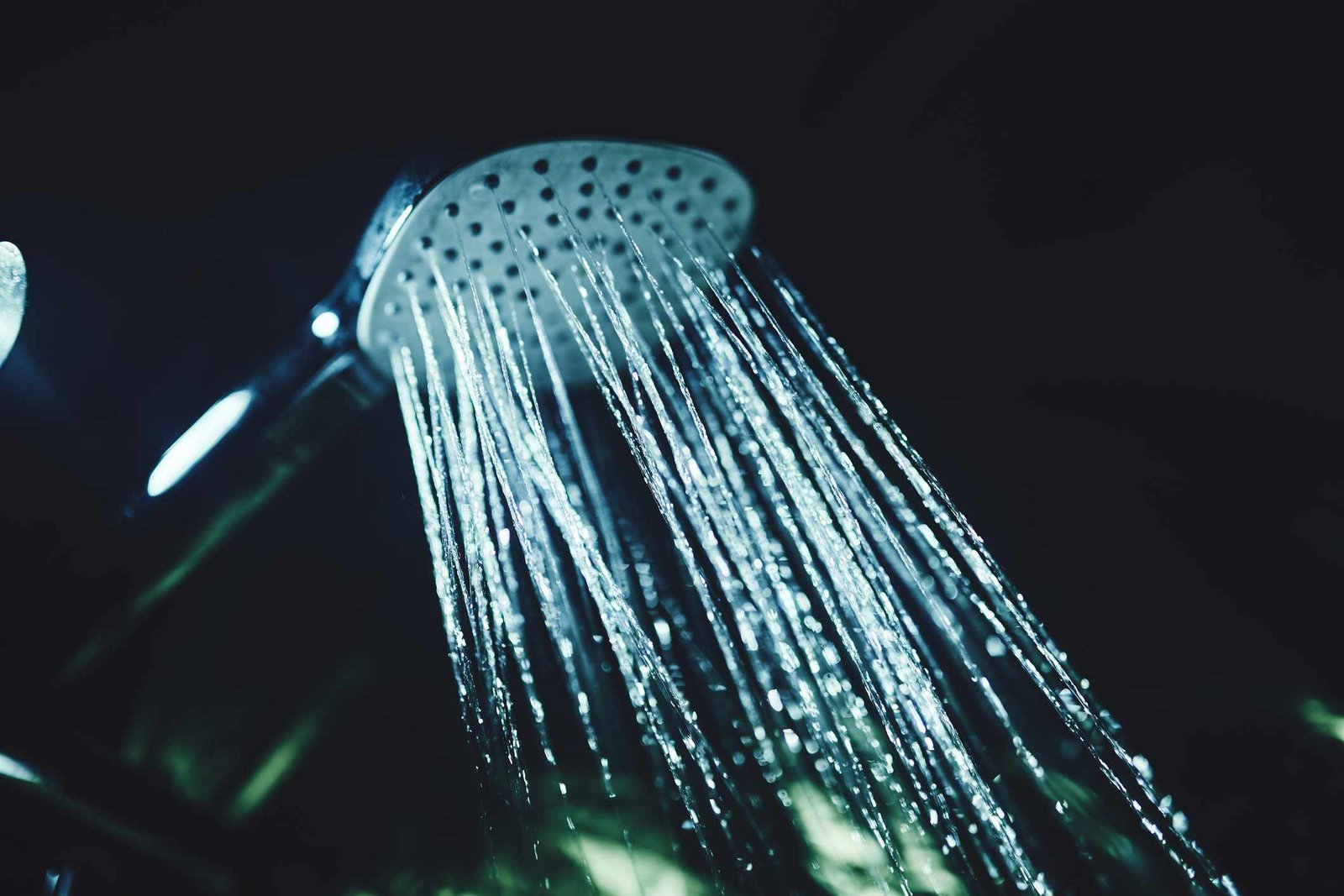
One-third of Americans don’t get enough sleep at night. But showering in very low light before bed, known as “dark showering,” may be the key to better sleep. Here’s what you need to know about this latest sleep trend and whether or not it might be right for you.
Sleep experts suggest that showering in a very low-light environment immediately before bed may be beneficial. Science supports that decreased light and increased warmth are contributors to increased melatonin and faster sleep onset, Brintha Vasagar, MD, MPH, a family medicine physician and the chief medical officer for Progressive Community Health Centers in Milwaukee, Wisconsin, told Health. The sound of running water may also help your body relax.
“Dark showering focuses on using low-light to alert the brain that it is time to relax,” said Vasagar. “Taking its cues from a spa-like atmosphere, this trend suggests that decreased sensory input from harsh bathroom lighting can help prepare the body to release melatonin, wind down, and prepare for sleep.”
When it comes to sleep, both minimal light exposure and warmth can influence your body’s natural desire to sleep. A warm shower, in particular, can promote sleep because it causes your core body temperature to drop when you exit the shower, a cue that it is time to sleep. In fact, a meta-analysis found that spending 10 minutes in warm water one to two hours before bedtime shortens the time it takes to fall asleep.
Dim lighting promotes sleep, whereas evening exposure to bright light can signal to the body that it needs to remain awake. One recent study examined exposure to cool white LED lighting before bed and found that it delayed the time to fall asleep by approximately 10 minutes. People also reported feeling less sleepy.
“Melatonin release is suppressed by light,” Kiara DeWitt, RN, CPN, a certified neurology nurse and head of clinical operations at Medical Director Co., told Health. “The retina sends a signal to the brain to keep producing cortisol and other ‘stay awake!’ hormones when it senses light over 30 lux. Fluorescent bulbs are about 500 lux, and smartphone screens can go way higher. When your retina senses that light, your hypothalamus won’t allow melatonin release even if you’re exhausted.”
Artificial light at night also disrupts your circadian rhythm. “If your brain can’t properly interpret when you need to be asleep and awake, your sleep cycle suffers,” added DeWitt.
While there is no direct evidence that showering in the dark can help you sleep better, the combination of indirect evidence makes a strong case that it may help people relax and fall asleep faster. “It may also help decrease heart rate and lower stress levels, much like meditation,” said Vasagar. “Most importantly, there is no downside to giving it a try to see if it helps you specifically.”
Dark showering may also benefit those who tend to be anxious, overly stimulated, or wired too late at night, added DeWitt.
If you want to try dark showering, Vasagar suggests dimming the lights or using dim LED lights about 60 minutes before bedtime, then taking a warm shower in low light. “The benefits of dark showering are time-limited, so it’s important to complete your bedtime routine prior to the shower, or at least plan to keep the lights low until bedtime.”
That said, there are risks to consider when using dark showering as a sleep technique. For instance, showering in extremely low light may increase your risk of falling if you have balance or mobility issues, said Vasagar. “People who have a history of anxiety or trauma that is triggered by the dark, [should also] avoid this trend,” he added.
“Anyone who suffers from nyctalopia (night blindness), lacks depth perception, or is impaired should avoid showering in the dark altogether,” said DeWitt.
Here are some other safety considerations our experts recommend:
- Create low lighting safely by using a nightlight or a battery-powered light
- Avoid using lamps with cords or extension cords in the bathroom
- Use caution when using candles and keep them away from towels, shower curtains, and other flammable objects
- Make sure the bathroom is clear of obstacles
- Choose non-skid rugs that don’t pose a trip hazard
- Take extra care when getting in and out of the shower in low light
- Have everything you need within reach
