

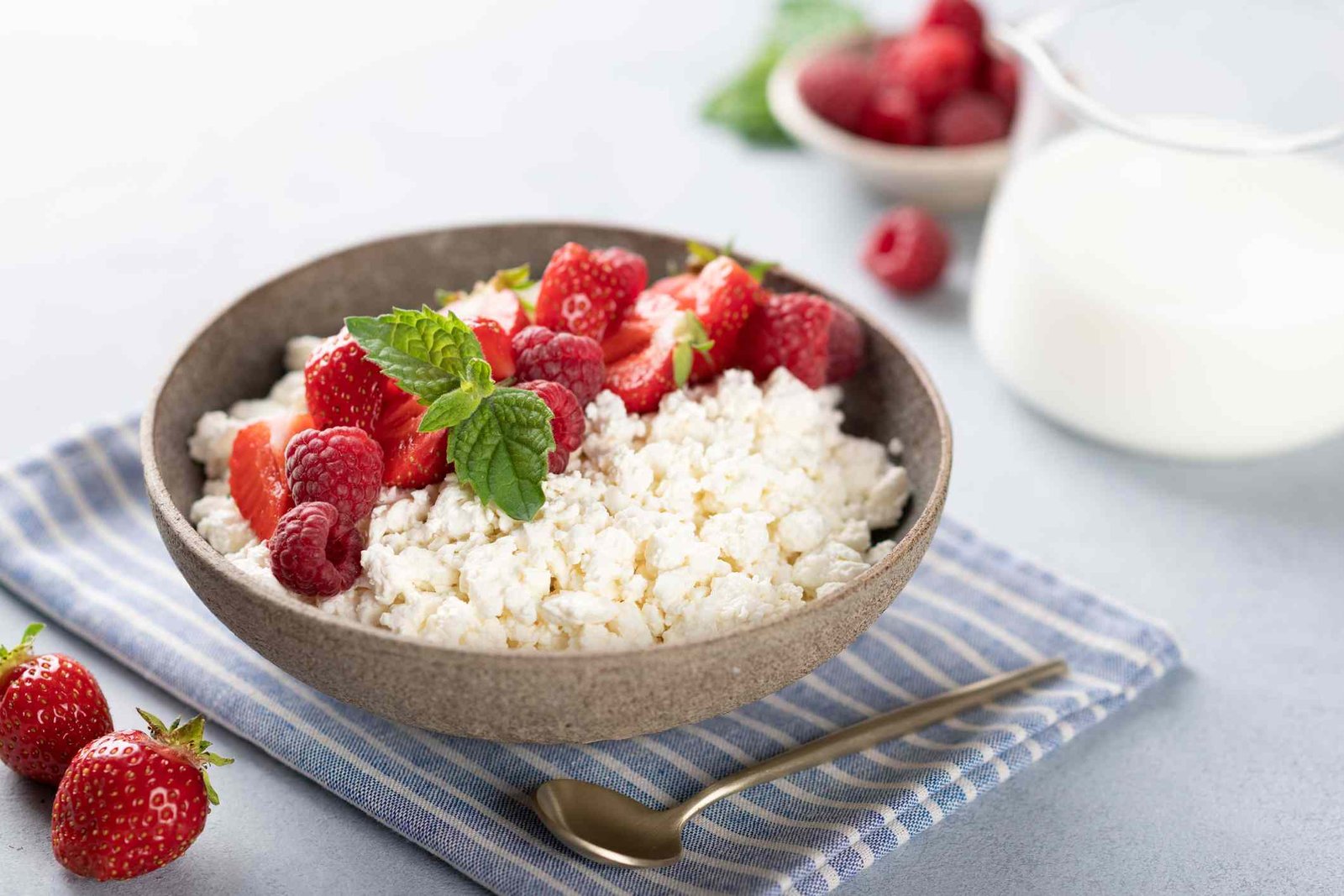
Cottage cheese is a trendy high-protein pick nowadays, thanks to its neutral flavor—perfect for both sweet and savory recipes—and impressive nutrition profile. In cottage cheese, you’ll find calcium, phosphorus, B vitamins, magnesium, zinc, and more, and many brands also include probiotics. However, not all cottage cheese varieties are the same. Here are nine ways to pick the healthiest option at the grocery store.
Cottage cheese often contains more protein than a serving of Greek Yogurt. Ideally, it should have at least 13-15 grams of protein per half-cup serving.
“Protein is essential for recovery after exercise, maintaining muscle mass across the lifespan, and enhancing satiety in meals and snacks, making meals more nourishing and satisfying,” Yasi Ansari, MS, RDN, CSSD, registered dietitian based in California, told Health.
For a cheese that’s mild in flavor, cottage cheese can be surprisingly high in sodium, said Cindy Chou, RDN, registered dietitian, chef, and founder of The Sound of Cooking. Certain brands have nearly 400 milligrams per serving, which is about 17% the recommended daily limit.
Excessive sodium consumption over time can lead to high blood pressure and increase your risk of heart disease. That being said, Ansari noted that it’s important to consider your individual sodium intake.
“If you’re at risk for higher sodium losses (from heavy sweating during intense exercise, for example), cottage cheese can actually help support your needs,” she said. “It’s also important to consider your total daily sodium intake. If cottage cheese is your only high-sodium item, it’s unlikely to have significant health consequences.”
Your best bet is to look for either low-sodium varieties of cottage cheese, or options with 300 milligrams or less per serving.
Some cottage cheeses can be full of hard-to-recognize ingredients like preservatives, gums, and stabilizers. There are very few studies that understand the long-term effects of these ingredients.
“Choose products with minimal ingredients—ideally just milk, cream, salt, and cultures,” said Jeanne Hendricks, RDN, certified sports dietitian and owner of Jeanne Hendricks Nutrition.
Cottage cheese can be a fantastic source of probiotics—if you choose the right variety. “All cottage cheese is fermented, but not all brands contain live and active cultures,” Hendricks said. “Look for labels stating ‘live cultures.’”
Brands that contain gut-healthy probiotics, like Good Culture, typically advertise them on their packaging.
While it won’t impact nutritional content, cottage cheese’s texture still matters. “Some people prefer small curds for a smoother feel, others like large curds for a heartier bite,” Hendricks said.
Certain brands may also have a dryer texture versus a silky, creamier one. If dry cottage cheese isn’t your thing, look for the word “creamy” on the packaging—or choose a higher-fat variety.
You’ll find a variety of fat content options when it comes to cottage cheese, ranging from full-fat to low-fat to fat-free. “Whole milk cottage cheese tends to be creamier, while low-fat versions may have a slightly tangier taste, although this can vary from brand to brand,” Chou said.
However, higher-fat varieties also have more saturated fat. While this nutrient is controversial, some studies have found it to be correlated with increased heart disease risk when consumed in high amounts.
Flavored or sweetened cottage cheeses can be loaded with added sugar, which promotes inflammation in the body and taxes your immune system. “Consider plain varieties of cottage cheese and add your own fruit, honey, or jam,” Ansari said.
Cottage cheese typically contains lactose—something important for individuals with lactose intolerance to consider. Choose a lactose-free cottage cheese if needed.
You can knock out several of these must-have cottage cheese qualities simply by picking a high-quality brand. Registered dietitians love options like Good Culture, Nancy’s, Kalona SuperNatural Organic, Organic Valley, and Breakstone’s.
