

- Vitamin D is a crucial nutrient for women over 60, yet it’s a common deficiency in this age group.
- In older women, vitamin D supports bone, muscle and hormone health as well as the immune system.
- Protein, vitamin B12 and calcium are also important nutrients for this age group.
As we age, our nutritional needs evolve—and for women over 60, vitamin D often tops the list of priorities. This fat-soluble nutrient supports bone strength, muscle function, hormone balance and immune health, yet vitamin D deficiency is common in this age group., In this article, registered dietitians share why vitamin D is the number one nutrient for healthy aging, plus simple ways to get enough from food, supplements and safe sun exposure.
Why Older Women Need Ample Vitamin D
Vitamin D is involved in hundreds of processes that help keep your body strong and resilient as you age. Aging women need to meet their needs because deficiencies become more common and can contribute to age-related declines in health. Health experts recommend that adults over 50 aim for 600–800 IU (15–20 mcg) of vitamin D each day.
Supports Bone Health and Prevents Fractures
After menopause, bone health becomes exponentially important as the natural decline in estrogen can accelerate bone loss. “Vitamin D helps your body absorb and use calcium to keep bones strong. When levels are too low for too long, bones can weaken, increasing the risk of osteoporosis,” says Avery Zenker, RD. “Osteoporosis is more common in postmenopausal women than in any other population, but adequate vitamin D intake can help reduce your risk.”
Research shows that combined calcium and vitamin D supplementation significantly increased bone mineral density in postmenopausal women and reduced hip fracture risk.
Supports Strong, Healthy Muscles
“When people think of vitamin D, they often think of bones, but it’s just as important for muscles,” says Samantha DeVito, M.S., RD, CDN. We have vitamin D receptors in our muscle tissue, and when those receptors are activated, they help with muscle contraction and coordination. “That means better balance, increased strength and fewer falls, which is critical as we age,” DeVito adds.
A study found that low vitamin D levels are a significant risk factor for sarcopenia—a loss of muscle mass and strength common with aging. Study researchers found that adequate vitamin D intake may help preserve muscle function, reduce weakness and lower fall risk in older adults. Maintaining optimal vitamin D levels—through nutrient-rich foods, sun exposure or supplements—can help women over 60 stay strong, mobile and independent.
Supports Healthy Hormone Function
Vitamin D supports several key hormones. It regulates parathyroid hormone (PTH) to protect bones, improves how your body responds to insulin for better blood sugar control and supports thyroid function by helping convert inactive T4 into its active form, T3., ,
“After 60, estrogen declines and the body makes less vitamin D, creating a ‘double hit’ to hormone balance,” says Patricia Bannan, M.S., RDN. Bannan explains that maintaining optimal levels “helps keep bones strong, muscles active, mood steady and the endocrine system running smoothly.”
Low vitamin D can raise PTH, accelerate bone loss, worsen insulin resistance and contribute to thyroid issues, especially autoimmune conditions., “It’s also linked to mood changes, sleep problems, inflammation, and weaker immunity—all of which disrupt hormone signaling,” Bannan adds., In postmenopausal women, these effects can magnify the risks for osteoporosis, diabetes and heart disease, making vitamin D an essential nutrient for healthy aging.
Supports a Healthy Immune System Strong
Vitamin D supports both innate and adaptive immune responses—your body’s first line of defense against germs and its ability to “remember” and fight specific infections—helping you stay healthier as you age. “Our immune cells—like monocytes and T/B lymphocytes—actually have vitamin D receptors, so they rely on it to help coordinate the body’s response to things like viruses and bacteria,” explains DeVito.
Studies suggest that vitamin D can play a role in supporting immune health after menopause, but many factors influence immunity as we age. While increasing vitamin D intake through food, sunlight and supplements may offer benefits, more large-scale research is needed to understand the long-term impact on health in postmenopausal women.
Vitamin D-Rich Foods
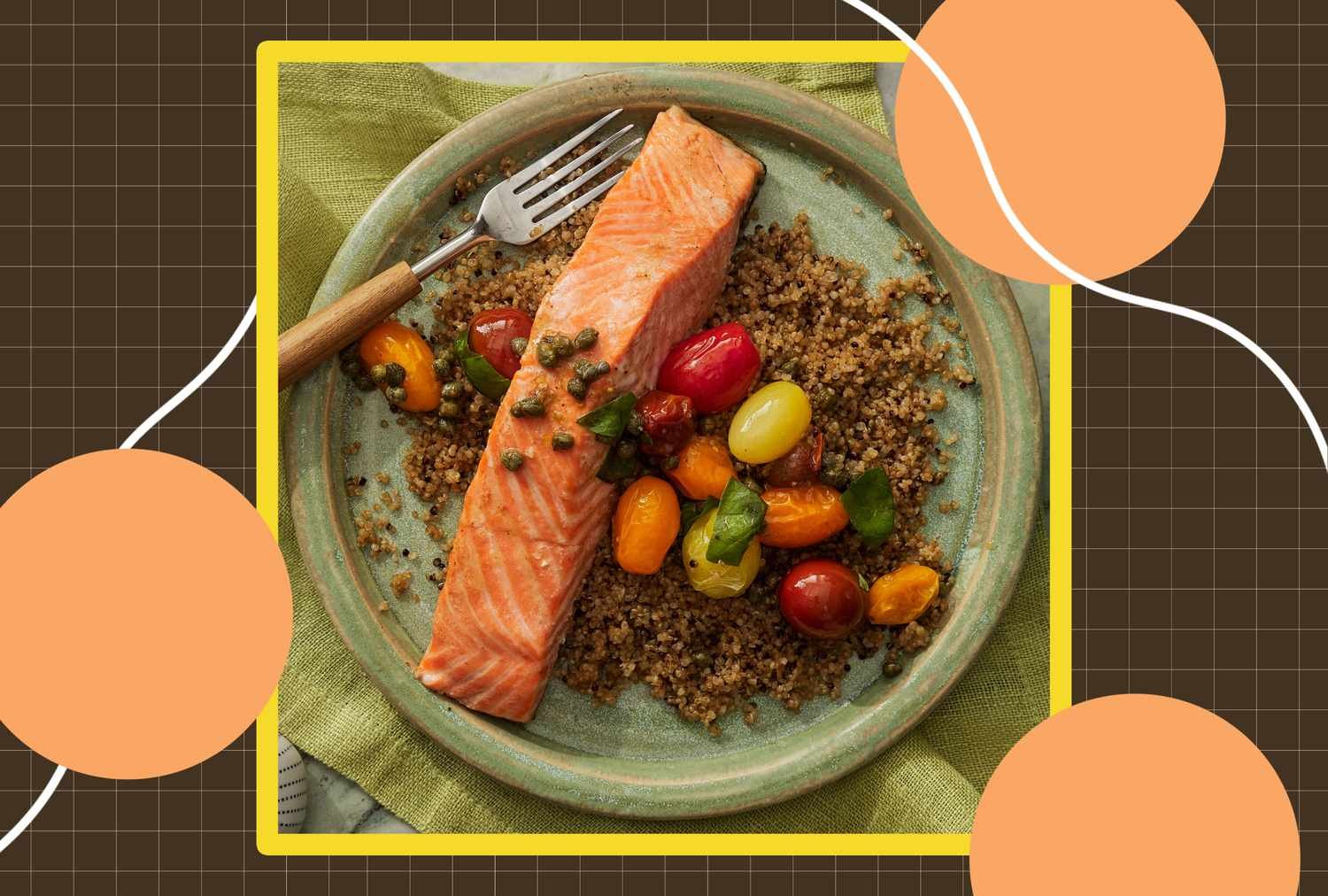
When you think of vitamin D, sunshine may be the first thing that comes to mind. But while your skin can make vitamin D from sunlight, food sources matter—especially if you spend a lot of time indoors, live in a northern climate or wear sunscreen regularly. Since very few foods naturally contain vitamin D, experts recommend incorporating a variety of dietary sources to help meet your needs. Here are some options that are naturally rich in vitamin D or fortified to provide it:
- Fatty fish (such as salmon, mackerel, sardines and trout)
- Eggs
- Dairy products (like milk, cheese and yogurt)
- Fortified plant milks (such as soy, almond or oat milk)
- Fortified breakfast cereals
- Some mushrooms
Other Important Nutrients for Healthy Aging in Women
- Protein: Getting enough protein helps preserve muscle mass and strength as women age, which is essential for mobility, injury prevention and healthy metabolism. Women over 60 need at least 0.36 grams of protein per pound of body weight per day. Those who exercise regularly need at least 0.45–0.55 grams of protein per pound of body weight.
- Calcium: Calcium absorption declines with age, and many women don’t get enough through food sources, especially if they avoid dairy. This mineral is essential for healthy aging because it supports bone strength, helping to prevent osteoporosis and fractures.
- Vitamin B12: Vitamin B12 absorption also decreases with age, and for those who follow a plant-based diet, it can be hard to get enough through food. This vitamin is essential for red blood cell production, nerve health and DNA synthesis. Aim to include B12-rich foods like fish, poultry, eggs and fortified cereals, or consider a supplement if recommended by your health care provider.
Healthy Aging Meal Plan to Try
7-Day Meal Plan for Healthy Aging from the Inside Out, Created by a Dietitian
Our Expert Take
Vitamin D plays a role in nearly every system that supports healthy aging—from keeping bones and muscles strong to balancing hormones and supporting your immune system. Because the body makes less vitamin D with age and many women spend less time in the sun, it’s common for women over 60 to fall short.
Incorporating vitamin D–rich foods, getting safe sun exposure and taking a supplement if recommended by your health care provider can help you maintain optimal levels. Pairing vitamin D with other key nutrients like protein, calcium, and vitamin B12, along with regular physical activity, can further protect strength, mobility, and overall well-being as you age.
