

Obstructive sleep apnea (OSA) causes repeated pauses in breathing while you sleep. These pauses themselves do not cause death directly; however, OSA is linked to serious health concerns such as stroke and heart disease, and people with the condition have a higher mortality risk. Getting treatment for OSA can prevent these complications.
OSA occurs when the muscles in the throat relax during sleep, blocking airflow. These interruptions in breathing usually last more than 10 seconds and happen frequently throughout the night. While these pauses (or, apneas) occur, the brain briefly wakes up the body to restart breathing.
These repeated breathing interruptions put stress on your body in several ways:
- Short-term cardiovascular changes: Oxygen drops and repeated awakenings trigger the sympathetic nervous system. This increases the heart rate and stiffens blood vessels, which raises blood pressure.
- Cell damage and inflammation: Over time, people with OSA develop oxidative stress, a state where the body has high levels of cell-damaging molecules called free radicals. Oxidative stress is closely linked to inflammation, which damages blood vessels and puts extra strain on the heart.
- Long-term cardiovascular damage: This stress from low oxygen levels, lack of quality sleep, and restarting breathing contributes to conditions such as high blood pressure, abnormal heart rhythms, and coronary artery disease.
People with OSA have a higher risk of death in general, as well as death specifically from cardiovascular disease. That risk is higher for people with severe OSA, men with OSA, and people whose condition is untreated. Between 1999 and 2019, over 168,000 heart-related deaths in the United States were linked to OSA.
OSA doesn’t usually lead to death on its own. Rather, this condition increases the risk of serious health problems that could become fatal.
Heart Disease
OSA can raise blood pressure and put extra strain on the heart, plus repeated drops in oxygen and poor sleep can lead to more inflammation and damaged blood vessels. Over time, this increases the risk of coronary heart disease, a condition where narrowed arteries make it hard for the heart to get enough blood.
Stroke
A stroke happens when blood flow to the brain is blocked or reduced, which can cause brain cells to die.
Low oxygen levels and inflammation caused by OSA make strokes more likely—in fact, people with OSA have a two-fold higher risk of stroke. This link is stronger in people with severe OSA, but treatment can reduce these risk factors.
Heart Rhythm Problems
People with sleep apnea have up to a four-times higher risk of developing arrhythmias, or abnormal heart rhythms. Experts think this is likely due to OSA’s effect on the autonomic nervous system, which controls involuntary bodily functions like your heartbeat.
A common arrhythmia is atrial fibrillation, in which the upper part of your heart beats irregularly, either too slowly or too quickly. Without treatment, some arrhythmias can raise the risk of unexpected deaths due to heart issues.
Accidents Caused by Severe Sleepiness
Many people with OSA feel very sleepy during the day and have trouble focusing. Excessive daytime sleepiness can increase the risk of falling asleep at the wheel and car accidents—sometimes these accidents can be fatal.
Obstructive sleep apnea can affect anyone, but some people have a higher risk of serious complications and early death. Risk factors for early death in people with OSA include:
- Sex: Men have higher death rates from OSA-related heart problems than women.
- Race: Black Americans are more likely to die from OSA-related heart and blood vessel issues than people in other racial groups.
- Age: For people with mild-to-moderate OSA, the risk of death from all causes is higher for those under the age of 60. But for older adults, OSA alone doesn’t significantly raise the risk of death.
- Obesity: Excess weight increases the risk of more severe OSA, as fat tissue in the neck and throat can obstruct people’s airways. Obesity may also make OSA harder to manage. Severe OSA is linked to worse mortality outcomes.
- Underlying cardiovascular disease: OSA is very common among people who have heart health issues such as high blood pressure, heart failure, and atrial fibrillation. These conditions worsen your heart health and raise the risk of cardiovascular death.
- Severe OSA: People with severe OSA have the highest risk of death compared to those with mild or no OSA.
- Short sleep duration: Adults with OSA who sleep less than seven hours per night have a higher risk of death as compared to people with OSA who get more sleep.
Treating OSA is the best way to protect your health and prevent serious health complications.
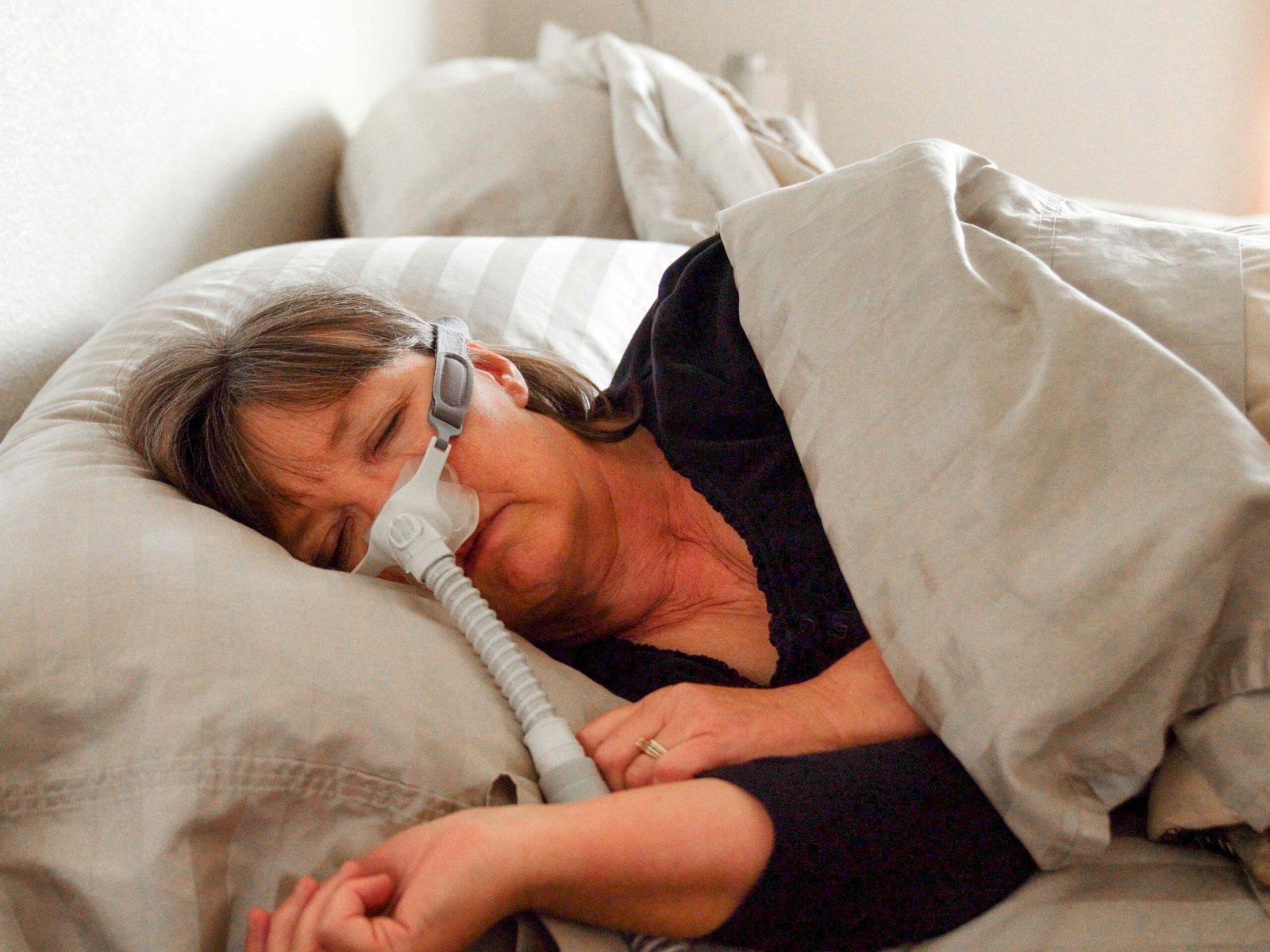
The most common treatment option is continuous positive airway pressure (CPAP) therapy. CPAP uses a mask to gently blow air into your airway while you sleep, keeping it open. This stops breathing pauses and low oxygen that might otherwise damage your heart and blood vessels.
Using CPAP regularly may improve your oxygen levels, lower your blood pressure, and protect your heart health. The more consistently you use CPAP, the greater the benefits.
Other effective treatments for OSA include:
- Oral devices: These move your jaw or tongue to keep your airway open.
- Lifestyle changes: Losing weight, exercising regularly, avoiding alcohol before bed, and sleeping on your side can all help keep your airway open.
- Surgery: Sometimes, if other treatments do not work, your doctor may suggest surgery to remove or move tissue that blocks your airway, or to move the positioning of your jaw.
Because treatment can reduce the risk of mortality for patients with OSA, it’s important to get a diagnosis and treatment plan in place if you think you might have the condition.
Talk to your doctor if you experience symptoms such as:
- Loud or frequent snoring
- Gasping, choking, or pauses in breathing during sleep
- Excessive daytime sleepiness or fatigue
- Morning headaches or difficulty concentrating
- Mood changes, irritability, or depression
If you already have an OSA diagnosis but continue to experience symptoms, talk with your provider. They may recommend changing your treatment plan to help address ongoing symptoms.
