

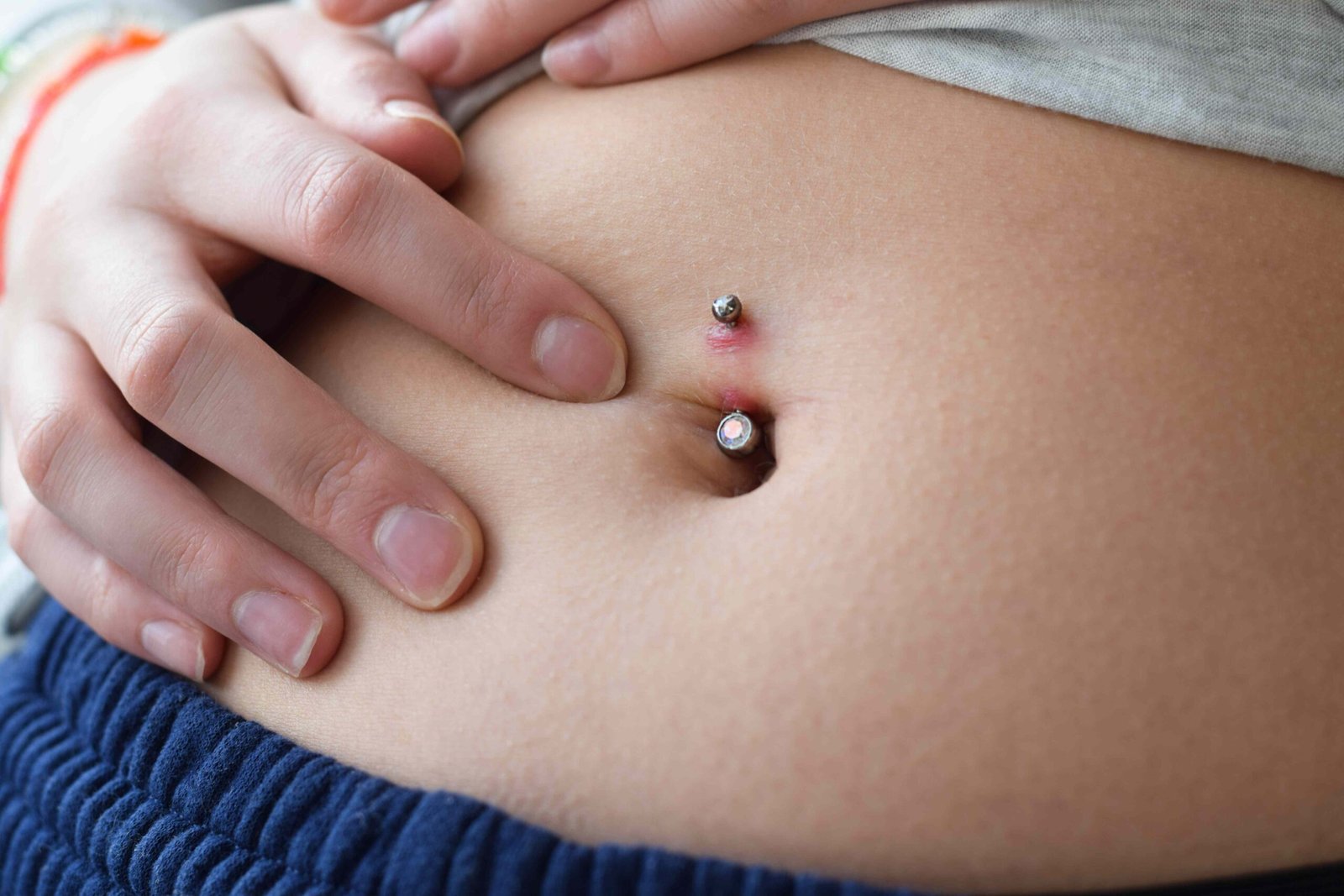
It’s important not to ignore a belly button infection, which may be easily treated with a course of antibiotics or antifungal medication. Leaving an infection untreated can cause more serious complications, and is especially dangerous in newborn babies. In some cases, an untreated belly button infection can become fatal.
Different types of belly button infections can cause different symptoms, but most skin infections cause redness, tenderness or pain, and swelling. You may also have pus, drainage or discharge, or skin scaling.
If you have any signs of infection in or around your belly button, contact a healthcare provider as soon as possible. Belly button infections can quickly become serious, spreading to the deeper layers of your skin and even entering your bloodstream, causing a systemic (body-wide) infection called sepsis.
Sepsis can be life-threatening and needs immediate treatment. Symptoms of sepsis include:
- Fever
- Increased breathing
- Fast heartbeat
- Shortness of breath
- Mental changes like confusion
- Shivering or sweating
Different types of belly button infections may require different care.
Omphalitis
Newborn babies are vulnerable to a type of belly button infection called omphalitis, an overgrowth of bacteria around the umbilical cord stump. This infection is rare, but it can be deadly if you don’t get prompt treatment.
Causes: Omphalitis may occur due to an infection in the birthing parent, delivery methods that weren’t sterile, and improper care and hygiene of the umbilical cord. It’s easy for bacteria to grow on this bit of tissue and potentially spread to the baby’s bloodstream.
Symptoms: Symptoms can occur anytime in the first three months and may include fever, pain, redness, swelling, and bleeding or discharge around the belly button.
What to do: Take any baby under 3 months old with signs of an infection to get immediate medical attention. The doctor will likely prescribe antibiotics to heal the infection and prevent life-threatening complications like sepsis.
Bacterial Infection
There is always bacteria on your skin, including in your belly button, but sometimes this bacteria overgrows and causes a skin infection. Left untreated, a skin infection in or around the belly button could spread to your bloodstream and lead to sepsis, which may be fatal.
Causes: Inadequate hygiene may sometimes lead to infection. Other factors that can introduce new bacteria or make it easier for existing bacteria strains to multiply include injury, surgery, or body piercing in the belly button area.
Symptoms: Bacterial belly button infections will often be red, swollen, painful, warm to the touch, and may have pus or drainage.
What to do: Most bacterial infections need treatment with prescription oral or topical antibiotics, so it’s important to contact a healthcare provider if you have infection symptoms.
Fungal Infection
Fungal infections may also spread to your bloodstream and cause sepsis, especially in people with weakened immune systems or people with severe infections, some older research suggests.
Causes: One type of fungi, the yeast Candida, commonly overgrows on the skin in warm, moist areas. So does a fungi called tinea corporis (ringworm), which is responsible for common fungal infections like athlete’s foot and jock itch. When it affects the belly button, this type of infection is also sometimes called umbilical trichophytosis. It’s common in older adults, especially those with a forward-bent posture.
Symptoms: Fungal belly button infections may be red, swollen, and painful, but they don’t usually have pus or drainage. Instead, they may itch or burn, and they often cause a scaly rash or raised plaques or patches on the skin.
What to do: See a healthcare provider if you think you have a fungal skin infection. They may recommend an over-the-counter antifungal medication or give you a prescription-strength antifungal treatment that you take by mouth or apply to your skin.
Sebaceous Cyst
Sebaceous cysts are small, non-cancerous growths that form in clogged oil glands or hair follicles. The cysts themselves aren’t usually dangerous, but they can get infected with bacteria that, left untreated, may be more serious.
Causes: Sebaceous cysts don’t usually grow in or around the belly button, but it is sometimes possible for them to form there. They may be more common after a recent injury or surgery in your abdominal area.
Symptoms: Some cysts don’t cause symptoms, but others can cause pain, redness, swelling, and a whitish-grayish discharge with an unpleasant odor.
What to do: You can see a primary care provider or dermatologist (skin specialist) if you think you have a sebaceous cyst. Usually, treatment involves a dermatologist removing the cyst with a minor surgical procedure and cleaning the skin surrounding it so it can heal.
It’s important to go to an emergency room or urgent care facility if you have a belly button infection plus any of the following symptoms:
- Fever
- Lethargy or lack of energy
- Body aches or headache
- Confusion
- Increased heart rate
- Shortness of breath or increased breathing
- Vomiting or lack of interest in feeding (in infants)
It’s important to never ignore a belly button infection—it may not go away on its own, and leaving it untreated increases your risk for potentially life-threatening complications like sepsis.
Newborn babies are at an especially high risk for complications of belly button infections, so always get immediate medical attention for any newborn with a fever.
