

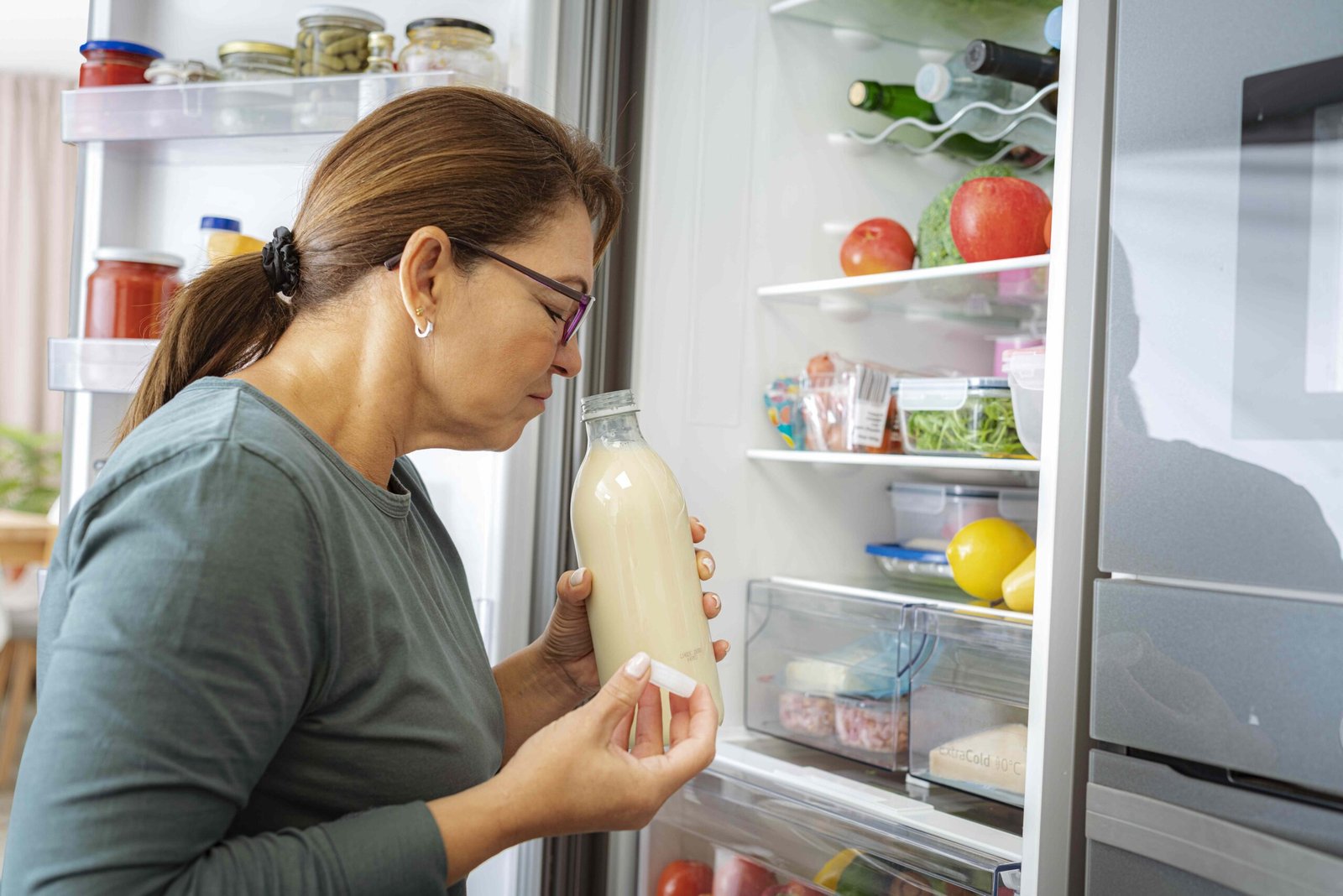
At some point, you’ve probably reached for a tub of yogurt or cottage cheese, only to discover that it’s a few days past the “Best By” date. Cue the internal debate: Should I still go ahead and eat it, or is it too risky?
As it turns out, the dates on your food packages don’t tell you all that much about whether food is dangerous to eat. In fact, they’re more about quality than safety.
“There is way too much fear-mongering around dates,” said Amrita Bhasin, a food waste expert and CEO of Sotira. “A lot of food waste in America is tied to [dating].”
Here’s what to know about these food expiration dates, as well as how to know if your favorite snack is still safe to eat.
The first thing to know about dates on food products is that—with the exception of infant formula—the manufacturer adds them, not the federal government. And they’re completely voluntary.
Food makers provide these dates not to help consumers and retailers assess safety but rather to indicate peak quality or freshness, a spokesperson from the United States Department of Agriculture told Health. Manufacturers typically conduct scientific testing to determine the dates, explained Vanessa Coffman, PhD, a food waste expert and director of the Alliance to Stop Foodborne Illness.
Here are some commonly used phrases and what they mean:
- Best By or Best if Used By/Before: Manufacturers use this to inform consumers when a product will have its optimal flavor or quality.
- Use By: If you see this date, it means this is the last date recommended for use to ensure peak quality. It is not a safety date unless it is on infant formula.
- Sell By: This date, used for inventory management purposes, indicates how long the retailer should display the product for sale.
- Freeze By: Manufacturers use this to tell customers when it’s time to freeze a food item to ensure quality.
For items like milk, packaged lunch meat, or foods that have faster spoilage, you can still safely consume these items past the best-by date by a few days or even up to a week without any safety concerns, Bhasin told Health.
Food that’s in the freezer can last indefinitely—but flavor may start to wane after a few months.
When it comes to pantry staples like canned goods, cereal, pasta, and cookies, they can often remain safe to eat for years, provided the packaging is intact and shows no signs of damage, such as rusting or swelling. However, much like frozen foods, these items may lose quality over time and start to taste stale or off.
Still, the absence of a hard expiration date doesn’t mean you should ignore safety. While most people can eat spoiled food without getting sick, you still run the risk of coming down with symptoms like nausea and diarrhea if you do.
Always use your senses to identify potential red flags. Signs like mold, a sour or unusual smell, discoloration, curdling, or an overly watery texture can all indicate that the food is no longer safe to eat. It also helps to consider the USDA’s recommendations found in the chart below.
Food Item
Fridge Shelf Life
Signs You Should Throw it Out
How to Make It Last
Milk
about 7 days
bad smell, curdling, lumpy, yellow color, crusty edges
freeze for 3 months
Yogurt
1 to 2 weeks
presence of mold, discoloration, bad smell
freeze for 1 to 2 months
Cottage Cheese
1 week
bad smell, grainy, watery
Sliced Swiss and Cheddar Cheese
6 months before opening; 3 to 4 weeks after opening
presence of mold, bad smell, crumbly, slimy
freeze for 6 months
Eggs
3 to 5 weeks from when placed in the refrigerator
Floats when dropped into water
freeze raw egg whites for up to 1 year; egg yolks don’t freeze well
Beef
1 to 2 days
bad smell, tacky to touch
freeze raw 4 to 12 months; freeze cooked beef 2 to 3 months
Chicken
1 to 2 days
dark color, slimy, bad smell
freeze for 9 months to 1 year
Seafood
1 to 2 days
sour, rancid, fishy, or ammonia odor
freeze for 3 to 8 months
Deli Meat / Luncheon Meat
3 to 5 days (deli meat and opened packaged luncheon meat)
slimy, discoloration, bad smell
freeze for 1 to 2 months
Ketchup
6 months after opening
discoloration, watery, bad smell
Mustard
1 year after opening
discoloration, watery, bad smell
Pickles
1 to 3 months after opening
discoloration, watery, bad smell
To help protect yourself and your family, ensure your fridge is set to 40°F or below and your freezer is set to 0 degrees or below, as suggested by Coffman.
Here are some other expert-recommended tips to make food last longer and avoid waste:
- Keep fresh meat, fish, and poultry away from other foods in the fridge and on the lowest shelf in case they leak.
- Avoid storing eggs and milk in the refrigerator door, as the temperature in this area fluctuates the most.
- Store pantry items in cool, dry areas, but avoid basements or humid places.
- Freeze what you can.
- Keep bananas separate from other fruits, as they will cause them to spoil more quickly.
- Avoid storing vegetables and herbs in the same compartment as fruits.
- Store high-acid canned foods such as tomatoes and other fruits for up to 18 months.
- Keep low-acid canned foods, such as meat and vegetables, for two to five years.
- Use your eyes and nose to determine freshness and quality rather than rely on dates alone.
Best by, sell by, and use by dates won’t tell you much about when a product is safe to eat. Instead, they communicate the product’s peak freshness or quality and are geared more toward manufacturers and grocers than consumers. Knowing what these terms really mean—and how to determine the freshness of a product—can help you waste less food. To determine the freshness of food, consider government recommendations and use your sight and smell if something seems off.
