

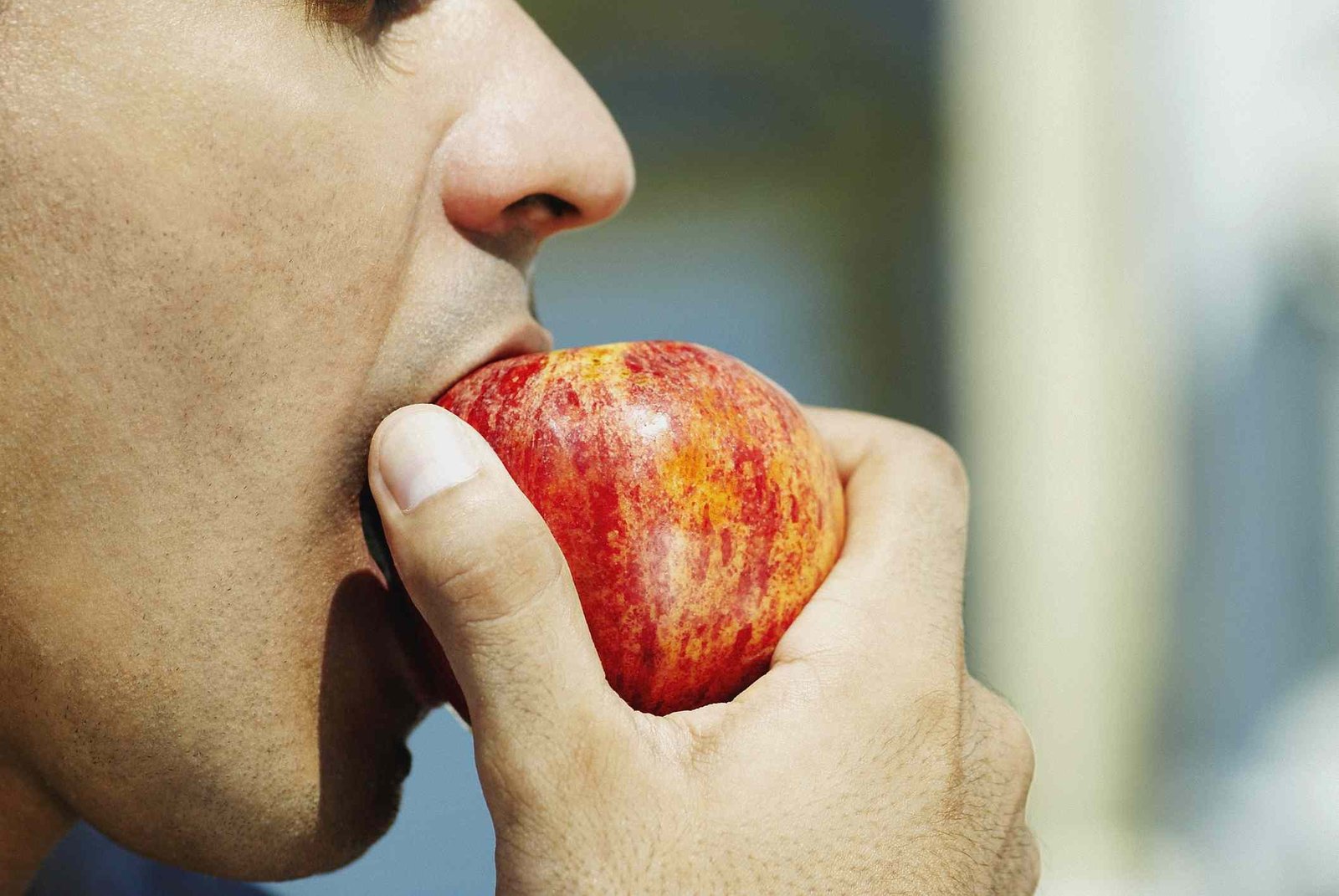
People with diabetes can eat apples as part of a healthy diet. While apples do contain natural sugar, they also contain other nutrients like fiber that help slow digestion and support a more stable blood sugar (glucose) response.
Apples contain carbohydrates, so they will naturally raise blood sugar, but the fiber content helps slow digestion. This leads to a more gradual rise in glucose compared with refined or processed carbohydrates.
Research has found that regularly eating whole fruits, including apples, may be associated with a lower risk of type 2 diabetes, whereas fruit juice may be associated with a higher risk. This protective effect likely comes from the combination of fiber, antioxidants, and plant compounds found in whole fruit.
One study also found that eating an apple before a meal led to lower post-meal blood sugar levels, suggesting that apples could help limit blood sugar spikes.
Blood sugar responses can vary from person to person. Portion size, what you eat with the apple, and your overall meal composition can all influence glucose levels.
There are many different types of apples, but they all share similar nutrition facts.
A medium Fuji apple contains:
- Calories: 91
- Carbohydrates: 22 grams (g)
- Fiber: 3 g
- Sugar: 19 g
Most of an apple’s carbohydrates come from naturally occurring sugars, especially fructose. However, apples also provide fiber, particularly soluble fiber called pectin, which slows digestion and may help promote a more gradual rise in blood sugar.
Apples also contain polyphenols, beneficial plant compounds such as quercetin and catechin, that may further support metabolic health and are linked to a lower risk of chronic disease.
Whole apples can fit into a diabetes-friendly diet, but apple juice is missing the fiber that makes it less likely to spike your blood sugar.
When apples are turned into juice, most of the fiber is removed. Without fiber and the intact fruit structures, the natural sugars are absorbed more quickly, which can lead to a faster rise in blood sugar.
Whole apples are usually the better choice for blood sugar management. If you do drink juice occasionally, keeping the portion small and pairing it with a meal rather than drinking it alone may help limit blood sugar spikes.
Even though green apples tend to taste more tart, which may make them seem lower in sugar, there is little nutritional difference between green and red apples.
Different apple varieties contain slightly varying amounts of sugar and fiber, but the overall carbohydrate content is similar across varieties. For example, below are three different types of green and red apples.
- Granny Smith: 20 grams of carbohydrates and 3.5 grams of fiber in one medium apple.
- Gala: 21 grams of carbohydrates and 3 grams of fiber in one medium apple.
- Red Delicious: 21 grams of carbohydrate and 3 grams of fiber.
Overall, the nutritional differences between apple varieties are small, so the type you choose matters less than how much you eat in terms of carbohydrate and fiber content.
If you notice blood sugar rising too high after eating apples, try these tips:
- Pair apples with protein or healthy fat: Eating an apple with foods like peanut butter or cheese can slow digestion and reduce rapid spikes in blood glucose.
- Keep the skin on: Much of an apple’s fiber is found in the peel. Eating the whole fruit helps maximize fiber intake.
- Watch portion sizes: Stick to one small to medium apple to keep your carbohydrate intake to one serving.
Although apples can be a healthy choice for many people with diabetes, everyone is different. If you notice your blood sugar spiking outside your goal range after eating apples, you may need to choose a smaller portion and monitor your response more closely.
If you’re unsure how apples fit into your nutrition plan, a registered dietitian or healthcare provider can help tailor guidance to your needs.
