

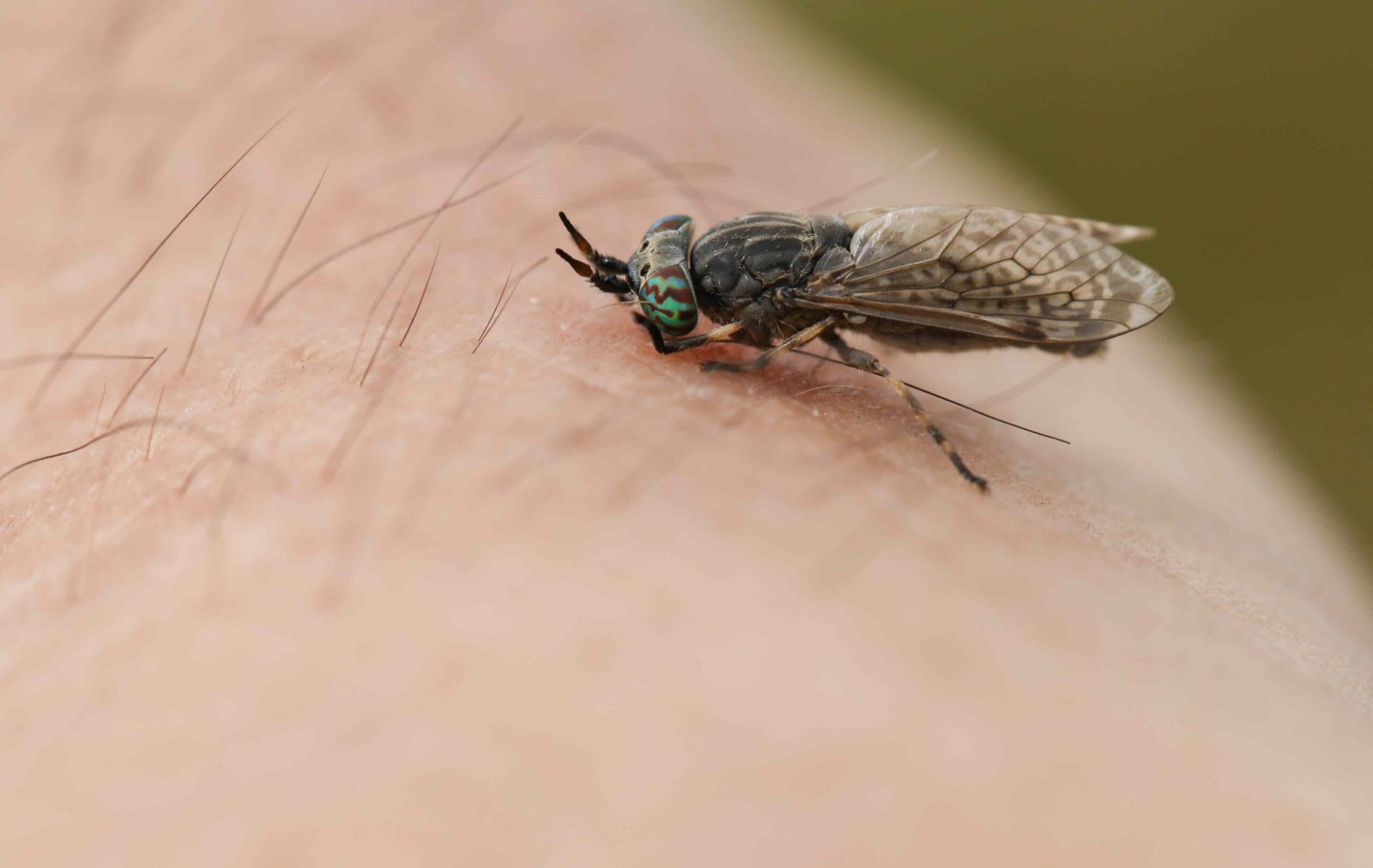
Horse flies live all across North America and are active in wooded areas and near bodies of water during warm weather months. They will bite any mammal, including humans. Their bite is usually pretty painful, making them an unwelcome addition to summer activities.
Horse fly bites look and feel similar to bites from other flies and other stinging and biting insects. You may have one bite or multiple bites at once. Symptoms usually last for a few days before the bite improves or goes away.
Horse fly bites usually have these symptoms:
- Intense, sudden pain at the time of the bite
- Round and flattened bump or welt
- Welt or welts that may be large or small
- A clear point in the center where the bite happened
- Itching
- Redness
- Swelling
Some people are allergic to a protein in horse fly saliva. These people might have more severe symptoms, like a wider area of swelling and inflammation, dizziness, and wheezing.
In rare cases, people may experience a serious, life-threatening allergic reaction to horse fly bites called anaphylaxis. Symptoms of anaphylaxis include:
- Cough
- Chest tightness
- Shortness of breath
- Nausea and vomiting
- Swelling of the mouth and airways
- Difficulty swallowing
If you experience any signs of anaphylaxis, get emergency medical attention.
Horse flies bite people for one reason: to eat. While male horse flies feed on pollen and nectar, female horse flies feed on blood. They will sometimes bite you repeatedly in a short time, and may chase you a short distance in an attempt to get a full meal.
Pain and other symptoms are due to the way horse flies bite. Unlike mosquito bites, which have a needle-like puncture, horse flies’ mouthparts tear the skin apart and their saliva prevents blood clotting.
Risk Factors
If you spend time outdoors in warm weather, you risk being bitten by a horse fly. Some things increase this risk, like being near areas where horse flies breed or live, including:
- Bodies of water, like pools, lakes, oceans, and rivers
- Wooded areas, especially if there are marshes or streams nearby
- Farms with livestock, especially larger animals like horses and cows
Horse flies are also more active on sunny days without much of a breeze, so spending time in direct sunlight when there is no airflow may increase your risk.
A healthcare provider may diagnose a horsefly bite by examining your skin and discussing your symptoms, including pain at the time of the bite, and your possible exposure to horse flies.
Most horse fly bites go away on their own after a few days of basic home care. You can treat a horse fly bite by cleaning the area with mild soap and water, then treating individual symptoms like itching and swelling. Treatments for symptoms include:
- Over-the-counter steroid cream that you apply to the bite
- Antihistamines you take by mouth
- Ice that you apply for 10-15 minutes at a time throughout the day
Try not to scratch the bite when it’s itchy—this can introduce bacteria and increase your risk of infection.
These tips may help reduce your chance of being bitten:
- Wear insect repellent outdoors, especially during the daytime and summer months.
- Avoid beaches surrounded by wetlands or marshes, or stay close to the shoreline by the ocean.
- Wear protective clothing, like lightweight shirts and pants, when spending time near areas where horse flies are found.
- If possible, choose to spend time outdoors on windier or less sunny days, when horse flies are less active.
- Ensure you have correctly installed window and door screens without gaps or holes.
- Avoid leaving areas of standing water around your property.
Most horse fly bites heal on their own without any complications. But until the bite heals, check your skin regularly for signs of infection. These include worsening symptoms, warmth, or red streaks on your skin near the bite.
Species in the United States typically don’t transmit viruses or bacteria to humans. However, a rare bacterial illness called tularemia can be transmitted by all biting flies, including horse flies. It causes flu-like symptoms, including fever, chills, muscle pain, and headache. Most people with tularemia recover with antibiotic treatment.
Horse flies are aggressive insects with a painful bite. Active during the summer, they breed in wet, warm areas like marshes, streams, ponds, and beaches. Redness, itching, and swelling similar to other insect bites are common symptoms of a horse fly bite. Some people are allergic to their saliva and may have a more serious allergic reaction.
You can treat the itching and swelling of a horse fly bite with ice, antihistamines, and over-the-counter steroid creams. Try to avoid horse flies during the summer months by wearing insect repellent or protective clothing and staying away from areas where they breed.
