

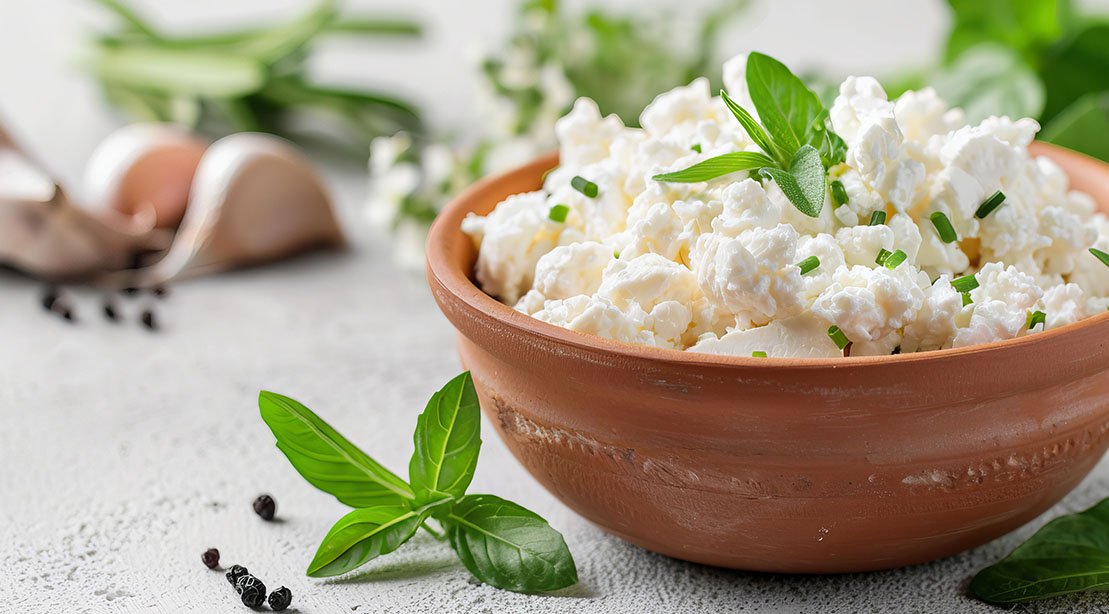
Cottage cheese is having a moment—and not the polite, quiet kind. The once‑dusty diet relic has muscled its way back into the spotlight, fueled by influencers, TikTok hype, and anyone chasing cheap, convenient protein. High protein, low sugar, low calorie, low cost—it’s basically the health‑food algorithm in dairy form. If your grocery store’s curd shelf looks ransacked, blame the protein‑maxxing crowd and the wave of GLP‑1 users hunting for easy, filling foods. Who knew the lumpy stuff would become the hottest commodity in the dairy aisle?
Welcome to the golden age of curds. More people are realizing cottage cheese is far more than a nostalgic throwback—it’s affordable muscle fuel with real staying power. But before you dive spoon-first into the trend, there are a few things worth knowing about this clumpy, surprisingly versatile dairy staple.
What Exactly is Cottage Cheese?
Cottage cheese is considered a fresh cheese since it’s not aged or ripened the way hard cheeses like Parmesan, gouda and cheddar are. It’s a pretty straightforward cheese to produce. To make it, manufacturers introduce an acid compound or an acid-producing culture into milk, which begins separating the liquid whey protein from the milk solids, or curds. It’s these curds that lend cottage cheese its quintessential lumpy and polarizing appearance.
Curd size varies among brands, with some now offering smaller lump options. A good option for those of you who find the large curds weird them out. As for the taste, well, it’s slightly sweet, a tad sour, and a bit salty, yet sort of bland, which makes it easy to add to dishes without altering the flavor.
Yes, The Mass Produced Stuff is Still Healthy
These days, you can find artisanal cottage cheese and other tubs with a higher price point. (Here’s looking at you, Good Culture.) While these options can certainly have their merits, including improved taste and a cleaned-up ingredient list, making them a worthy splurge, it’s still perfectly acceptable to choose cottage cheese from larger-scale brands, as these provide many of the same nutritional benefits for less expense. Choosing store brands from Target, Publix, and Aldi can amount to considerable cost savings. Overall, it’s best to select a brand based on your taste preference and food budget. If a particular cottage cheese has a flavor and texture that excites your gag reflex, then that is not the one for you, even if it costs less than the rest.
Is Cottage Cheese Good for Building Muscle?
When discussing the virtues of cottage cheese, it certainly makes sense to start with protein, the macro everyone seems obsessed with. With roughly 13 grams of protein in a half-cup serving (80-100 calories), this dairy product is clearly a protein standout, and one that can help your muscles look more pumped. As a comparison, the same serving of plain Greek yogurt contains about 10g of protein. Two large eggs have 12 grams of protein for 158 calories. This means that including cottage cheese in your diet makes it easier to nail your total daily protein goals.
Cottage cheese makes an excellent post-workout food option, as research shows that 9 grams of milk-based protein can be enough to stimulate muscle-building following a bout of resistance training. Some people are now using cottage cheese as a replacement to protein powders, as not everyone is keen on using those to support muscle-making efforts. And it’s certainly more pleasant to eat than most of the so-called protein bars on the market.
It’s also about the best late-night snack you can eat. A study review published in the scientific journal Frontiers of Nutrition extols the virtues of consuming some protein before bed to help boost muscle recovery and growth in response to training. The study authors point out that casein, which cottage cheese has in abundance, is the best type of pre-snooze protein since it is slower-releasing, thereby providing our bodies with a steady stream of muscle-building amino acids as we dream away.
And let’s not forget that the sky-high protein content of cottage cheese also helps with satiety and appetite control. This, along with its relatively low calorie count, could mean it was justified to crown cottage cheese as a gold standard weight loss food.
mandritoiu – stock.adobe.com
What to Look for When Buying Cottage Cheese
Know Your Fat Levels
Cottage cheese is available in 0%, 1%, 2% and 4% milk fat. This describes the percentage of fat by weight in the cheese. A half-cup serving of fat-free (0%) cottage cheese provides about 80 calories and 0 grams of fat, while 2% delivers roughly 90 calories and 2.5 grams of fat. The 4% stuff has 120 calories and 5 grams of fat per half-cup serving. The differences here aren’t huge, but still worth noting.
Which to choose? Some may like the calorie savings that you get from lower fat varieties, but others will find that the extra bit of fat in the 4% stuff makes it more filling and a heck of a lot more tasty. I would say that if you aren’t already eating too much saturated fat and calories, there is no reason why you can’t go higher-fat. But if you need to reign in your sat fat and calorie intake, then perhaps it’s a wise choice to go lower fat.
The role that dairy fat has on heart disease remains controversial, with some research suggesting eating too much can be bad news for heart health, while other studies suggest that dairy fat has a rather passive role when it comes to the functioning of our tickers. A thought is that the nutrition matrix of dairy largely counteracts any negative impact its saturated fat has on the heart. We may one day have a definitive answer to this.
Nutritional Values
Though it’s the protein in cottage cheese that grabs all the headlines, the lumpy dairy is home to a range of important micronutrients, including calcium and phosphorus, both of which are vital for bone health. It also supplies potassium, selenium , and vitamin B12, a nutrient that helps keep the body’s red blood cells and nervous system healthy and helps make DNA, the genetic material in all cells. Dare we say that this stuff is nutrient-dense health food?
Just keep in mind that, unlike milk, which is often fortified with vitamin D, cottage cheese typically does not contain this nutrient.
Probiotics Content
Now you might be thinking, what about the probiotic content of my beloved cottage cheese? Unlike yogurt and kefir, much of the cottage cheese on the market isn’t a source of these micro-critters and, in turn, won’t do much to fertilize your gut with beneficial bacteria. Unlike yogurt, fermentation isn’t a required step in making cottage cheese. So make sure you are consuming some fermented foods, such as yogurt and kimchi, if your cottage cheese is lacking probiotics.
With that said, there are many different brands of cottage cheese, some of which, like Good Culture, do indeed include live cultures. Fermented cottage cheese will have a sharper, more noticeable tangy flavor, similar to yogurt. A good choice if you find regular cottage cheese a bit bland.
Lactose Tolerance?
Yes, the majority of carbs in a tub of plain cottage cheese hail from a naturally occurring milk sugar called lactose. Something that people with lactose intolerance will need to be aware of. Eat too much of this and you risk stomach revolt. To date, options for lactose-free cottage cheese on the market are limited, but if you look hard enough you might get your hands on it. Yogurt contains less lactose because the bacteria used in its production breaks down this sugar. This means that cultured cottage cheese should contain significantly less lactose than regular versions as long as the cultures were added during the production process and not afterward.
Sodium Intake
One caveat worth noting is that cottage cheese can be much higher in sodium than yogurt—a half-cup serving may have up to 400 milligrams, though some brands may have more or less. (As a reminder, the daily sodium recommendation is 2,300 mg or less.) Salt is added to cottage cheese to enhance flavor and to help preserve it because of its high moisture content. This makes it a potential food of concern for those whose blood pressure is sensitive to sodium or for people with existing heart conditions or diabetes.
But not everyone needs to be so concerned about their sodium intake, and this extra hit of sodium can be part of your nutrition recovery following a sweaty workout. It’s possible to compare brands and look for those that have less sodium per serving. I’m probably not the only one who finds the highest sodium options to taste too, well, salty.
Additives: Emulsifiers
A good portion of the cottage cheese out there is made with thickening gums like guar gum, locust bean gum (no relation to the bug), and carrageenan. These are known as food additives called emulsifiers. This is a bit concerning, as some research is questioning the health impact these can have. For instance, a report in the journal Microbiome suggests that they can alter our intestinal microbiota composition and its function in a way that may increase inflammation. Perhaps excessive emulsifier intake contributes to making eating too many ultra-processed foods so bad for our health.
If you’re concerned about these food additives, you can look for brands like Friendship Dairies that produce cottage cheese without them. After all, what is wrong with an option made with nothing more than milk, cream, and salt?
Sugar Content
Naturally, cottage cheese is low in carbohydrates, which is why it was historically a staple for low-carb dieters. But as with yogurt, flavored cottage cheese typically contains added sugars and is, therefore, higher in carbs than plain varieties.
Check the label: Look for options with 5 grams or fewer added sugars in a serving and ones flavored with at least some real fruit. Your smartest move is to purchase plain cottage cheese and sweeten the bowl with some berries or diced fruit. That gives you plenty of protein with much less of a nutritional compromise.
3 Cottage Cheese Recipes
The most popular way to eat cottage cheese is as if it were yogurt, dumped in a bowl and topped with fruit and maybe a handful of nuts or granola. But these mild, protein-packed curds are way more versatile than you think. Here are a few recipes that prove this point.
Юлия Барычева/Adobe Stock
Creamy Fruit Salad Breakfast Tacos
A protein-packed way to kick off your day and way more exciting than a bowl of soggy oatmeal.
Ingredients:
- 1 1/2 cups cottage cheese
- 1 tablespoon honey
- 2 tsp orange zest
- 1 teaspoon vanilla extract
- 1 cup blueberries
- 1 cup halved strawberries
- 2 kiwi, peeled and chopped
- 1 banana, sliced
- 4 (6-inch) whole-grain tortillas
- 1 cup granola
Directions:
- In a bowl, stir together cottage cheese, honey, orange zest and vanilla. In a separate bowl, toss together blueberries, strawberries, kiwi and banana.
- To assemble tacos, spread some of the cottage cheese mixture on a tortilla and top with fruit salad and granola. You can also roll these up burrito-style.
elena_hramowa/Adobe Stock
Cottage Cheese Egg Bombs
You can’t go wrong serving these baby crustless quiches for breakfast, lunch, or dinner.
Ingredients:
- 1 1/2 cups cottage cheese
- 8 large eggs
- ¾ cup grated mozzarella
- 1 tablespoon cornstarch
- 1 teaspoon dried thyme
- 1/2 teaspoon salt
- 1/4 teaspoon black pepper
- 1 red bell pepper, chopped
- 2 cups finely chopped spinach
Directions:
- Heat the oven to 325ºF. Coat a standard sized muffin tin generously with cooking spray.
- Blend together cottage cheese, eggs, cheese, cornstarch, thyme, salt, and pepper until very smooth. Place egg mixture in a bowl and stir in red pepper and spinach. Divide among muffin cups.
- Fill a baking dish about halfway with very hot tap water. Place on the lower rack. Place the muffin tin on the middle rack. Bake until the egg bites are set and no longer wet on top and they have started to pull away from the edges of the pan, 20 to 25 minutes. Let cool in the pan for about 5 minutes. Run a butter knife around each egg bite to loosen and lift out of the pan. Serve warm.
mpephotos/Adobe stock
Chocolate Mousse
This dessert tastes too decadent to be, mostly, healthy. Great served topped with raspberries and crunchy toasted nuts.
Ingredients:
- 4 ounces dark chocolate, roughly chopped (about 1/3 cup chopped)
- 1 1/2 cups full-fat (4%) cottage cheese
- 3 tablespoons maple syrup
- 1/2 teaspoon cinnamon
- 2 tablespoons water
Directions:
- In a small microwave-safe bowl, add chocolate. Microwave on high power in 30-second intervals, stirring with a rubber spatula after each interval, until melted, about 90 seconds. Let cool slightly, about 5 minutes.
- Meanwhile, in a blender or food processor, process cottage cheese, maple syrup, cinnamon, and water until smooth, stopping to scrape down sides of container as needed. With blender running, drizzle in cooled chocolate until just combined.
- Transfer chocolate mousse to container, cover, and refrigerate until fully chilled and set, about 2 hours. It will thicken as it cools.
