

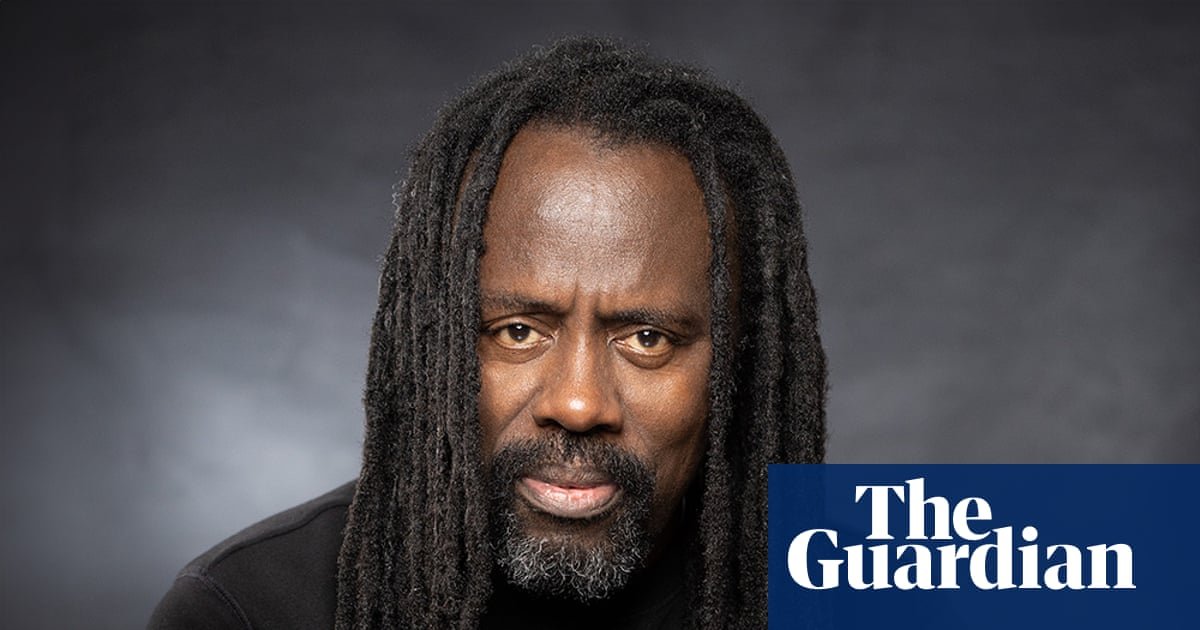
On 21 February 1986, I was diagnosed HIV positive. I was 22. It was the day of my sister’s 21st birthday. That solemn Friday afternoon, my life changed for ever. We had planned a surprise party later that night. My sister was already seven months pregnant with my eldest niece, and I had gone to central London to find a card featuring a Black mother and child. Failing to find anything culturally appropriate, I decided to pop into the STD clinic in Chelsea to pick up my test results. I knew nothing about HIV or Aids; I’d never even heard of the acronyms until a week or so earlier.
Unsurprisingly, I didn’t end up partying with my sister that night. Celebrating the promise of new life while contemplating my imminent death proved too much. I spent the next several days hiding away in a darkened room, crying uncontrollably.
My initial instinct had been to wait to die, and for many years after my diagnosis, I did just that. That was the prognosis back then.
My ex, Colin, died in 1993. He was the man from whom I contracted the virus. I have lost a great many friends to HIV and Aids and doctors initially said that I wouldn’t live to see 30. But here I am at the age of 62.
The only reason I had gone to the clinic for testing was that Colin had tried to kill himself. Doctors sought to perform an emergency blood transfusion and, after identifying that he fit the profile for sexually active white gay men in his age group, they carried out further tests, which confirmed he was HIV positive. Colin was 39.
I had recently ended my three-year relationship with him and left for Birmingham University, but dropped out after receiving my diagnosis. What was the point of uni? My focus was on work and rebuilding my life for however long I had left. With a grant from the Prince’s Youth Business Trust and a Shell LiveWire award, I set up the BetterDays card company, producing ethnic minority greetings cards.
In 1991, my consultant suggested that I take part in a trial of a new antiretroviral drug called Azidothymidine (AZT). I didn’t know if I was taking a placebo or the real thing, but I soon became overwhelmed by the stench of chemicals oozing from my pores.
“I’m sorry, but I can’t do this,” I told the doctor. “What have they put in these pills?”
It was the first time I’d ever questioned a physician’s authority. But I knew my own body, and I knew those tablets were not good for me. So I stopped taking them.
Throughout the 1990s, I continued to go for regular screenings and my results showed that I had no symptoms of HIV. There was no need for me to take medication. Since 1996, when doctors could measure how much virus was in the blood, I have been what they call “undetectable”.
Boakye at home in 2004 when he was 41. Photograph: Paul Boakye
I am one of the very few HIV positive people – fewer than 0.05% – who retain a high CD4 count, meaning my immune system has remained strong, without the need for antiretroviral therapy to stay healthy and untransmittable.
I still lived with the knowledge of being HIV positive, which affected how I thought about sex, responsibility and relationships. I found work producing sexual health promotion material for organisations targeting young people, African communities, and men who have sex with men.
I was ready to be studied, but the research system at that time preferred to invest in drug trials rather than study the natural resistance of people like me. We are called “elite controllers,” or “long-term non-progressors”. Elite controllers are more often female and some studies suggest they are more common in African populations, but the evidence remains limited, partly because HIV research has historically enrolled disproportionately white male participants.
I don’t often talk about my elite controller status. I have found that, even working within the HIV community, I can be treated like an impostor; I haven’t experienced the range of health issues many others have.
This has left me with a profound sense of survivor’s guilt. I have lived long enough to have seen whole communities vanish – which is especially palpable now, as I approach retirement age with so few of my peers left. The moral weight of surviving a plague relatively unscathed has propelled me to want to help science. Doctors have said they think I am the longest documented case of anyone living undetectable without antiretroviral drugs, so I do what I can while I can. In 2025, I reached out to teams researching HIV reservoirs and elite control, including Imperial College London, Harvard, and the Erasmus MC HIV Eradication Group in Holland, and became involved in their reservoir research programme, as well as the Idris and Virias projects. Both study blood samples and analyse immune cells to understand where HIV hides in the body when it is undetectable in the blood or semen, and why some people can control it without medication. Each study is trying to understand whether elite controllers can offer clues towards a cure – if natural immunity could be used to help millions of people around the world.
Being undetectable and unaffected by HIV for more than four decades has often felt like running naked through a house on fire – and somehow not getting burnt. I recognise this medical miracle for what it is and I am forever thankful. Every breath feels like resistance, and a reminder that I have more to give.
Paul Boakye is the author of plays including Boy With Beer and Wicked Games
In the UK and Ireland, Samaritans can be contacted on freephone 116 123. In the US, you can call or text the National Suicide Prevention Lifeline on 988, chat on 988lifeline.org, or text HOME to 741741 to connect with a crisis counselor. In Australia, the crisis support service Lifeline is 13 11 14. Other international helplines can be found at befrienders.org
