

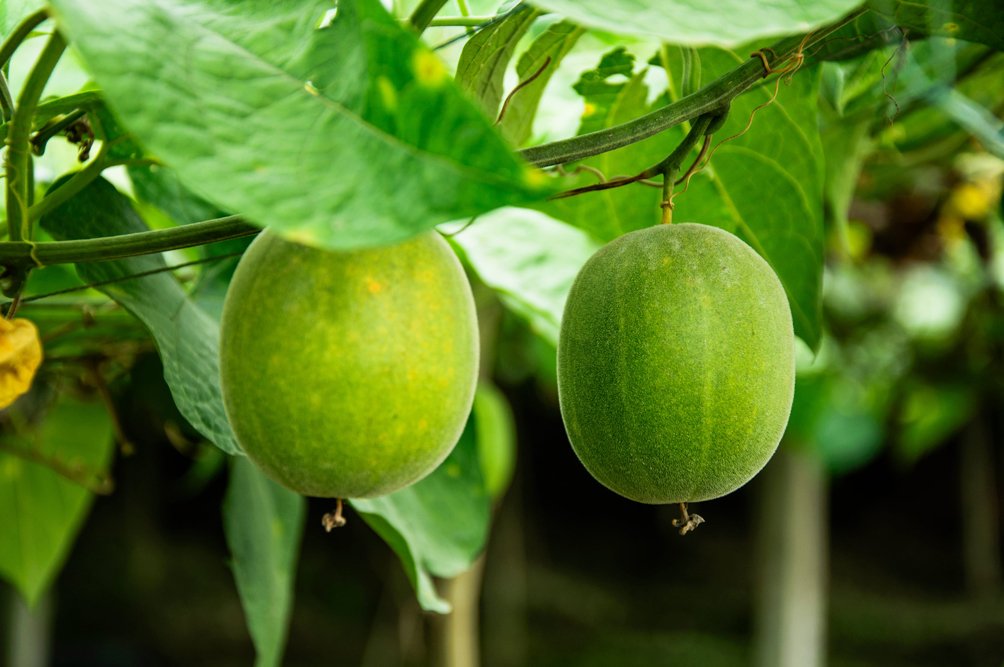
Monk fruit or luo han guo (Siraitia grosvenorii) is a small green melon native to the mountainous region of Guilin in the Guangxi Province in China. It has been cultivated for centuries and has been traditionally used to soothe the throat and support respiratory comfort.
In modern formulations, its primary value lies in enabling meaningful sugar reduction without compromising taste—helping brands lower calories while maintaining consumer satisfaction.
According to Doris Ip, senior marketing manager at Layn Natural Ingredients (Irvine, CA), monk fruit provides sweetness without impacting blood glucose levels, which makes it particularly attractive for reduced-sugar, diabetic-friendly and keto formulations.
“Today, it’s best known as a natural, zero-calorie sweetener. Its sweetness comes primarily from Mogroside V, which is about 250-300 times sweeter than sugar. Because it delivers clean sweetness without calories, monk fruit is widely used in beverages, snacks, and functional foods focused on sugar reduction and clean-label formulations,” Ip explained.
Health Benefits
According to Kristen Allen, food category marketing specialist at NOW (Bloomingdale, IL) since obtaining GRAS (generally recognized as safe) status in January 2010, awareness and popularity of monk fruit have steadily grown.
Kristina Haika, certified nutritionist and founder of Ukraine-based Gavra, said the sweetness from mogrosides doesn’t raise blood glucose levels.
“That makes it a great option for people watching their sugar intake, managing diabetes or simply trying to avoid the ‘why did I eat that?’ feeling. It’s non-glycemic, tooth-friendly and contains antioxidant properties—basically, sweetness without the side effects,” Haika explained.
Adam Klimkowski, CMO (chief marketing officer) of Saraya USA Inc. (Orem, UT), agreed with Haika, adding there have also been studies on blood sugar, metabolic health, antioxidant and anti-inflammatory potential, immunity and gut health.
“The health benefits of monk fruit have been researched for decades. Traditionally, dried monk fruit tea is consumed in China for coughs, sore throats and lung health. As a sweetener, monk fruit has the benefit of sweetening foods and drinks without adding calories or sugar,” Klimkowski said.
Monk Fruit Products
Saraya USA introduced its Lakanto monk fruit sweetener in the United States in 2015. Since then, there’s been a large shift from stevia and artificial sweeteners to monk fruit-based sweeteners.
“It’s growing popularity has spread to the food manufacturing industry as a sweetening ingredient in better-for-you products. While monk fruit was originally only available in natural independent retailers, you can currently find monk fruit sweeteners in conventional grocery stores,” Klimkowski said.
NOW Real Food offers one of the only fully organic lines of monk fruit products available. The line uses an organic extract powder, organic fruit packets, organic 1:1 sugar replacement, organic fruit liquid and organic liquid flavors including vanilla, chocolate and caramel.
Wisdom Natural Brands sells organic monk fruit products under its SweetLeaf brand as a sugar substitute in powders and liquids. Its products are zero calories, zero sugar and zero glycemic index so they won’t impact blood sugar levels.
“Monk Fruit products are rapidly rising in popularity, driven by consumer demand for natural, zero-calorie, and sugar-free alternatives to address metabolic health, diabetes and obesity. Natural, zero-calorie sweetness has always been a staple of what we try to provide,” said Aaron Henderson, CEO of Wisdom Natural Brands. Layn’s monk fruit recently achieved Gold Level recognition under the Sustainable Agriculture Initiative’s (SAI) Farm Sustainability Assessment. This recognition reflects strong performance across environmental, social and economic sustainability standards.
“For monk fruit specifically, sustainability is critical because cultivation is highly concentrated in the Guangxi region, where more than 90 percent of global supply originates. Responsible water and soil management, farmer training and long-term partnerships with local growers are essential to maintaining both quality and supply stability,” Ip said.
How Is It Selling?
Haika said monk fruit has been trending and is “not just a passing fling.” She said monk fruit is having a well-deserved moment as consumers start “reading ingredient labels like detective novels.” People want fewer chemicals, less sugar and more transparency—and monk fruit “checks those boxes without tasting like a science experiment.”
“What we’re seeing is that monk fruit works beautifully when it’s treated with respect. Research and product testing show it’s safe, stable and effective as a sugar replacement—but quality matters. Poor extraction or heavy fillers can lead to bitterness or strange aftertastes. In other words, monk fruit is fantastic when you don’t mess it up,” Haika said.
NOW continues to see sales of its monk fruit products grow every year and hopes to be able to introduce more monk fruit products in the future.
“Our products have been selling well since our introduction. While sweeteners are our flagship product, we started releasing non-sweetener products, such as baking mixes, snacks, syrups, drink mixes and sauces, which has helped spread awareness about monk fruit and help health-conscious customers,” added Klimkowski.
According to Henderson, SweetLeaf offers a variety of monk fruit products that range from powders (bags and packets), liquids for use in hot beverages and squeeze bottles for travel or used in water.
“In this broader macro environment, we are finding consumers gravitate toward our larger bagged items. We have seen acceptance of these items across retail channels from natural to conventional and mass,” Henderson said.
For Manufacturers and Retailers
According to Ip, manufacturers and retailers should understand monk fruit quality starts long before extraction. The sweetness profile and overall performance are directly influenced by fruit maturity, cultivar selection and processing technology.
“Fully ripened fruit typically delivers higher mogroside V levels and a cleaner, more rounded sweetness,” Ip said. “Different cultivars naturally vary in sweetness intensity and taste quality, which makes genetic selection and agronomic expertise critical. Finally, extraction and purification methods determine mogroside V purity and help minimize off-notes—ultimately shaping how the ingredient performs in finished formulations.”
Allen explained most monk fruit products contain the pure extract powder mixed with granulated carriers like allulose or glycerin to make the product easier to use. The extraction process is simple and comprises juicing the fruit, concentrating the juice into an extract and then spray-drying it into a fine powder.
However, there are vulnerabilities for harvesting the fruit. According to Klimkowski, it is important to note that monk fruit is a natural crop and is susceptible to weather.
“The price and harvest can fluctuate year to year. Because of the unique climate needed to grow monk fruit, it can only be grown in certain areas of China. Aside from this drawback, monk fruit is an extremely versatile ingredient that can add sugar like sweetness without calories,” Klimkowski said.
Haika said not all monk fruit products deserve the hype. Many only contain trace amounts of monk fruit or fillers. Consumers are getting smart and vague labeling doesn’t work. Brands need to invest in real ingredients and honest communication.
“Sweetness doesn’t have to come with consequences. Monk fruit proves that we can enjoy food, feel good about it, and still keep our health goals intact. The future of food isn’t about deprivation—it’s about smarter choices that don’t feel like punishment,” Haika said.VR
