

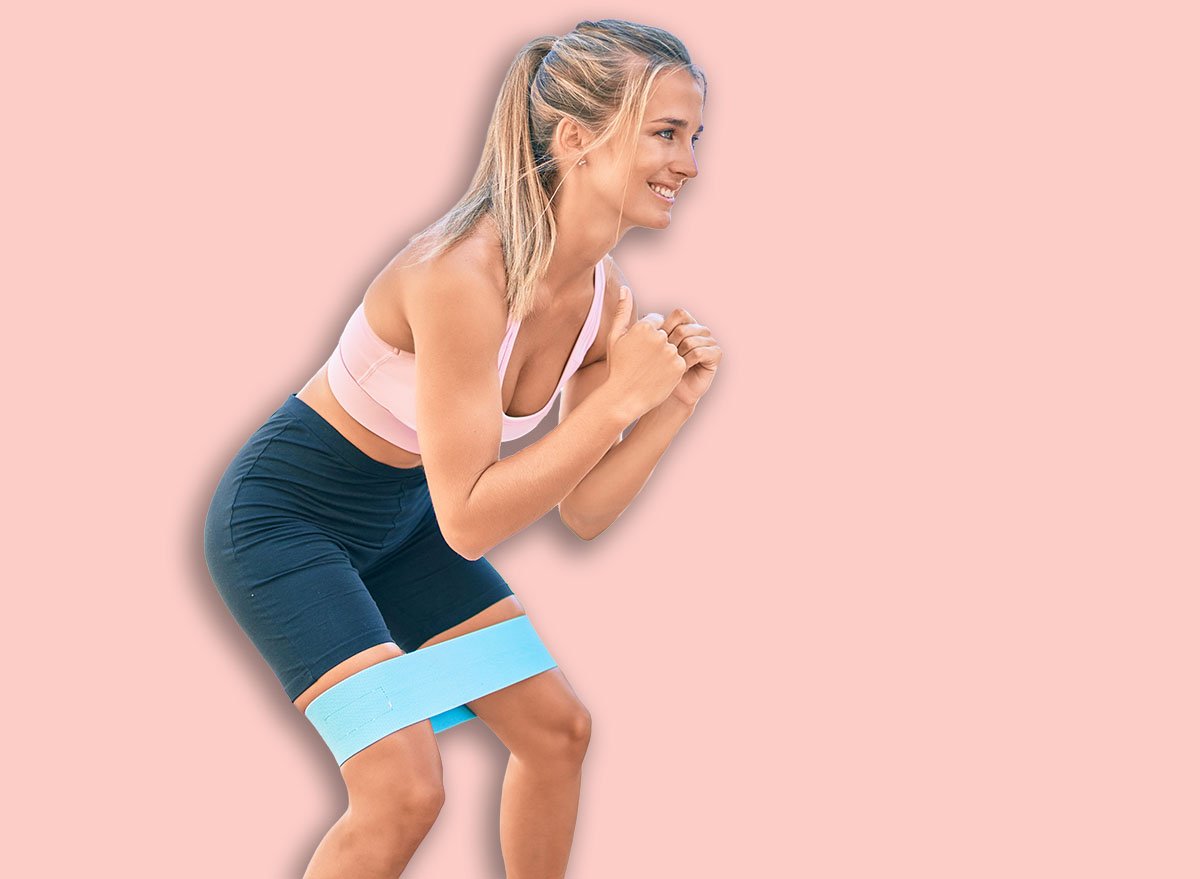
Glutes not firing like they used to? Start with these 5 morning moves.
If your hips feel a little weaker or your stride isn’t as strong as it used to be, your glutes are usually part of the equation. That “flat” or less-responsive feeling in the backside tends to build over time, especially if most of your day is spent sitting or moving in short bursts. When those muscles aren’t getting much direct work, they stop contributing the way they should, and that’s when other areas start picking up the slack.
There’s a noticeable carryover once you start bringing that strength back. Standing up feels smoother, walking feels more stable, and your lower back doesn’t have to step in as often. You’ll also start to feel more control when you shift your weight or change direction, which is something that becomes more important with age. It’s not just about strength here; it’s about getting your body working the way it’s supposed to again.
Squats can help, but they’re not always the best place to start, especially if your glutes aren’t firing the way they should. A few focused movements in the morning can wake those muscles up and get them involved before your day even starts. Keep your reps controlled, stay consistent, and you’ll feel the difference build from there.
Glute Bridge
Glute bridges are a great place to start because they bring your hips into the picture right away with minimal setup. You’re teaching your body to drive through your heels and actually use your glutes instead of letting your lower back take over. When you slow it down and squeeze at the top, it doesn’t take many reps to feel it working. If you’ve been sitting a lot, this one usually lights things up pretty quickly and helps you reconnect with muscles that haven’t been doing much.
Muscles Trained: Glutes, hamstrings, core
How to Do It:
- Lie on your back with your knees bent and feet flat on the floor.
- Place your arms at your sides.
- Press through your heels and lift your hips upward.
- Squeeze your glutes at the top.
- Lower your hips back down with control.
Recommended Sets and Reps: Perform 3 sets of 12 to 15 reps. Rest for 45 seconds between each set.
Best Variations: Single-leg bridges, paused reps, elevated feet bridges
Form Tip: Drive through your heels and avoid arching your lower back.
Frog Glute Bridge
The frog variation shifts your foot position, which changes how your glutes fire during the lift. You’ll feel it more through the inner portion of the glutes, and most people notice it right away. Keep your feet together, knees out, and focus on a strong squeeze at the top. It’s a small adjustment, but it tends to wake up areas that don’t always get much attention with standard movements.
Muscles Trained: Glutes, inner thighs
How to Do It:
- Lie on your back and bring the soles of your feet together.
- Let your knees fall out to the sides.
- Press through the outer edges of your feet.
- Lift your hips upward while squeezing your glutes.
- Lower back down with control.
Recommended Sets and Reps: Perform 3 sets of 12 to 15 reps. Rest for 45 seconds between each set.
Best Variations: Paused frog bridges, slow tempo reps, elevated hips
Form Tip: Keep your lower back neutral and focus on the squeeze at the top.
Reverse Lunges
Reverse lunges engage your glutes while also working on balance and control. Stepping back instead of forward takes a bit of pressure off your knees and lets you load your hips more effectively. When you stay steady and push through your front heel, you’ll feel your glutes doing the work instead of just moving through the motion. This one also helps clean up your movement pattern so your hips and legs work together more naturally.
Muscles Trained: Glutes, quadriceps, hamstrings
How to Do It:
- Stand tall with your feet together.
- Step one foot back into a lunge.
- Lower your back knee toward the ground.
- Push through your front foot to return to standing.
- Alternate legs with each rep.
Recommended Sets and Reps: Perform 3 sets of 8 to 10 reps per leg. Rest for 45 seconds between each set.
Best Variations: Short step lunges, assisted lunges, slower tempo reps
Form Tip: Keep your weight through your front heel and stay upright.
Bodyweight Good Morning
Good mornings train the hinge pattern, which is a big part of how your hips should move. You’re learning to push your hips back while keeping your back stable, and that puts your glutes and hamstrings in the right position to work. Take your time with this one and focus on feeling a stretch through the back of your legs. When you stand back up, drive your hips forward and finish with your glutes, rather than just lifting your chest.
Muscles Trained: Glutes, hamstrings, lower back
How to Do It:
- Stand with your feet hip-width apart.
- Place your hands on your hips or behind your head.
- Keep your chest up and hinge at your hips.
- Lower your torso until you feel a stretch in your hamstrings.
- Drive your hips forward to return to standing.
Recommended Sets and Reps: Perform 3 sets of 10 to 12 reps. Rest for 45 seconds between each set.
Best Variations: Band-resisted hinges, staggered stance hinges, slower tempo reps
Form Tip: Keep your back flat and move through your hips.
Mini Band Lateral Walks
Lateral walks bring in the smaller muscles around your hips that don’t always get much attention. These muscles help keep your hips stable when you walk or shift your weight, and when they’re not doing their job, things can start to feel off pretty quickly. When you keep tension on the band and stay low, you’ll feel your glutes working with each step. It’s a simple movement, but it plays a big role in how stable your hips feel throughout the day.
Muscles Trained: Glutes, hip stabilizers
How to Do It:
- Place a mini band around your thighs or ankles.
- Stand with a slight bend in your knees.
- Step to the side while keeping tension on the band.
- Bring your other foot in without letting the band go slack.
- Continue stepping side to side.
Recommended Sets and Reps: Perform 2 to 3 sets of 10 to 15 steps per direction. Rest for 45 seconds between each set.
Best Variations: Lower stance walks, slower steps, longer step length
Form Tip: Stay low and keep tension on the band throughout.
What Helps You Feel Glute Strength This Faster
Shutterstock
This is where most people either start to notice a difference or fall off before things really click. The exercises themselves matter, but the real shift comes from how often you show up and how well you stay connected to each rep. These movements don’t take long, making it easier to fit them into your routine, especially in the morning when you can knock them out before the day gets busy. When your glutes start getting that consistent input, you’ll feel them more during everyday movement instead of them just sitting in the background.
- Stay consistent with your mornings: A few minutes each day adds up quickly and keeps your hips active.
- Slow your reps down: Control helps keep the work in your glutes instead of shifting it elsewhere.
- Focus on the squeeze at the top: That’s where a lot of the benefit comes from.
- Keep your posture in check: Good positioning helps your hips move the way they should.
- Stay active throughout the day: Movement reinforces what you’re building here.
