

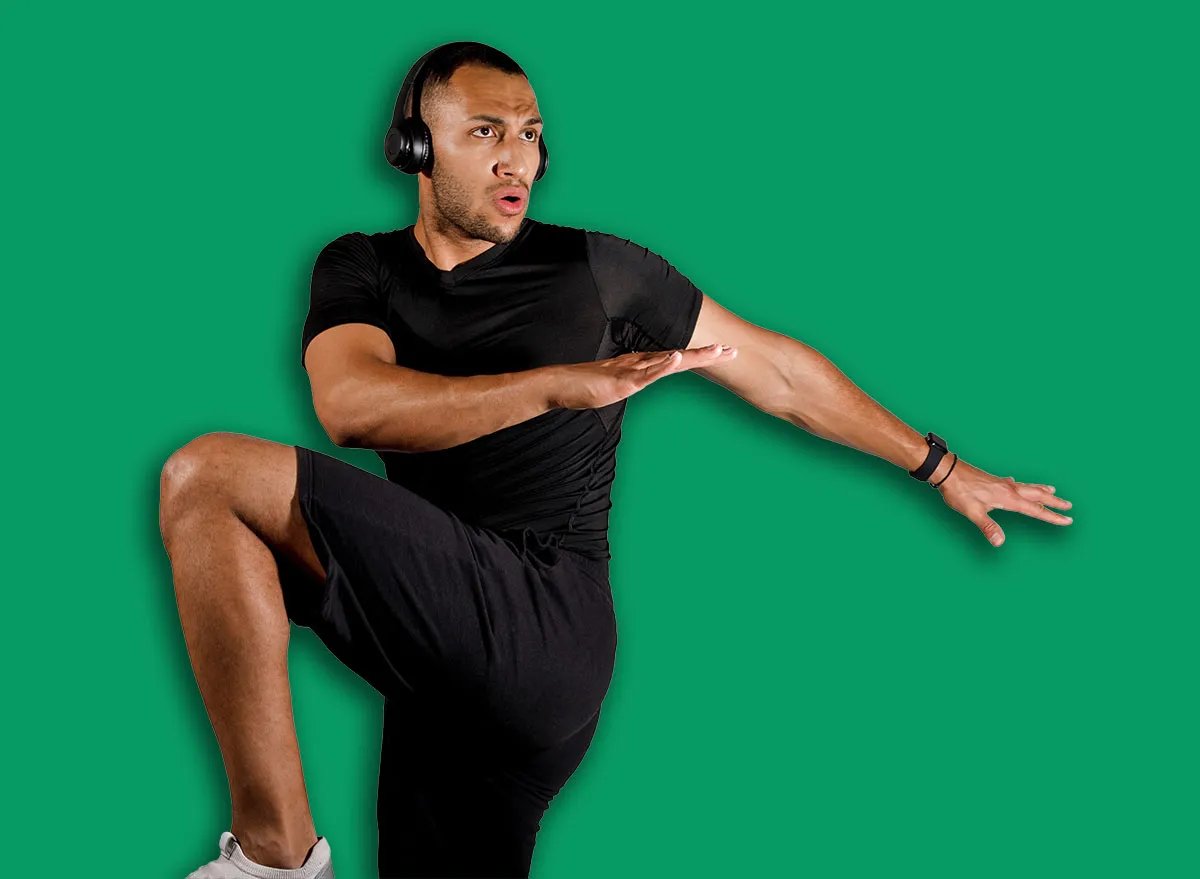
A certified trainer reveals 5 daily moves men over 55 should do to restore core strength fast.
Core strength after 55 doesn’t disappear overnight, but it does fade when it stops getting trained with purpose. Many men stay active through walking or general movement, yet still notice a weaker midsection, reduced stability, or lower back discomfort. I’ve worked with men in this age group for years, and the pattern shows up consistently, the core loses strength not from lack of effort, but from lack of targeted engagement. When you train it directly and consistently, it comes back faster than most expect.
A strong core does far more than improve appearance. It stabilizes the spine, supports posture, and transfers power between the upper and lower body. Without it, everything from lifting to walking becomes less efficient. That’s why I always emphasize simple, repeatable movements that build real strength rather than relying on occasional intense workouts.
Daily consistency drives results here. Short, controlled exercises performed every day create constant activation, which helps rebuild the deep stabilizing muscles that tend to weaken over time. When those muscles come back online, you feel the difference in nearly every movement.
The following exercises target the lower abs, obliques, and deep core stabilizers. Move with control, stay tall, and focus on tightening your midsection during every rep. That’s what restores strength where it matters most.
Dead Bug
The dead bug builds deep core stability by forcing the body to maintain control while the limbs move. I use this often because it teaches proper abdominal bracing without putting strain on the lower back. Many men quickly realize how challenging controlled movement becomes when the core has to stabilize the entire time.
Extending opposite arm and leg while keeping the back flat forces the core to resist movement. That resistance strengthens the muscles responsible for protecting the spine and stabilizing the torso.
How to Do It
- Lie on your back with arms and legs raised
- Lower the opposite arm and leg slowly
- Keep your lower back flat
- Return to start
- Alternate sides steadily.
Standing Knee Drives With Hold
This movement strengthens the lower abs while improving balance and coordination. I rely on it because it trains the core in an upright position, which carries directly into real-life movement.
Holding the knee at the top forces the abdominal muscles to stabilize the body. That sustained tension builds strength in the lower core more effectively than fast repetitions.
How to Do It
- Stand tall with feet hip-width apart
- Lift one knee to hip height
- Hold for 2–3 seconds
- Keep your core tight
- Alternate legs slowly.
Bird Dog
The bird dog strengthens the entire core while improving coordination and balance. I include this exercise often because it trains stability across the hips, back, and shoulders all at once.
Extending opposite arm and leg forces the core to stabilize the spine. Holding that position builds endurance in the deep stabilizing muscles that support everyday movement.
How to Do It
- Start on hands and knees
- Extend one arm and the opposite leg
- Keep your back flat
- Hold briefly
- Return and switch sides.
Seated Knee Tucks
This movement directly targets the lower abdominal muscles while keeping the body supported. I often use it because it allows for strong core activation without requiring floor work.
Pulling the knees toward the chest forces the lower abs to contract deeply. Extending the legs again keeps the core engaged, creating continuous tension throughout the movement.
How to Do It
- Sit near the edge of a chair
- Lean back slightly
- Pull your knees toward your chest
- Extend legs forward slowly
- Repeat with control.
Standing Cross-Body Crunch
This exercise strengthens the obliques and ties together the entire abdominal wall. I use it often because it improves rotational strength while keeping the core engaged through every rep.
Bringing the elbow and opposite knee together creates a strong contraction across the midsection. Slow, controlled movement keeps the muscles under tension and improves overall core control.
How to Do It
- Stand tall with your hands behind your head
- Lift one knee across your body
- Bring the opposite elbow toward the knee
- Return slowly
- Alternate sides continuously.
Tyler Read, BSc, CPT
Tyler Read is a personal trainer and has been involved in health and fitness for the past 15 years. Read more about Tyler
