

I am among nearly 60% of people worldwide who say they feel happy in the kitchen. But I didn’t start out there.
When I was 12 years old, I told my dad I planned to marry a chef. I liked the idea of good food. I did not like the quiet assumption that caring for others through food was simply what girls were supposed to do. Then the kitchen felt less like a choice. But when I got older, I began to see cooking as a space for self-discovery rather than an obligation, and I experienced it differently.
I realized that how I prepared a meal shaped how I felt long after I ate. Noticing whether I felt hurried or present, self-critical or curious, obligatory or self-nurturing mattered.
That shift in perspective felt surprising at first. We often discuss what to eat, including protein, fiber, anti-inflammatory foods, weight loss, and gut health. But we talk less about what happens before the first bite. In fact, preparing the meal can be just as enjoyable as eating it.
Why cooking can feel calming
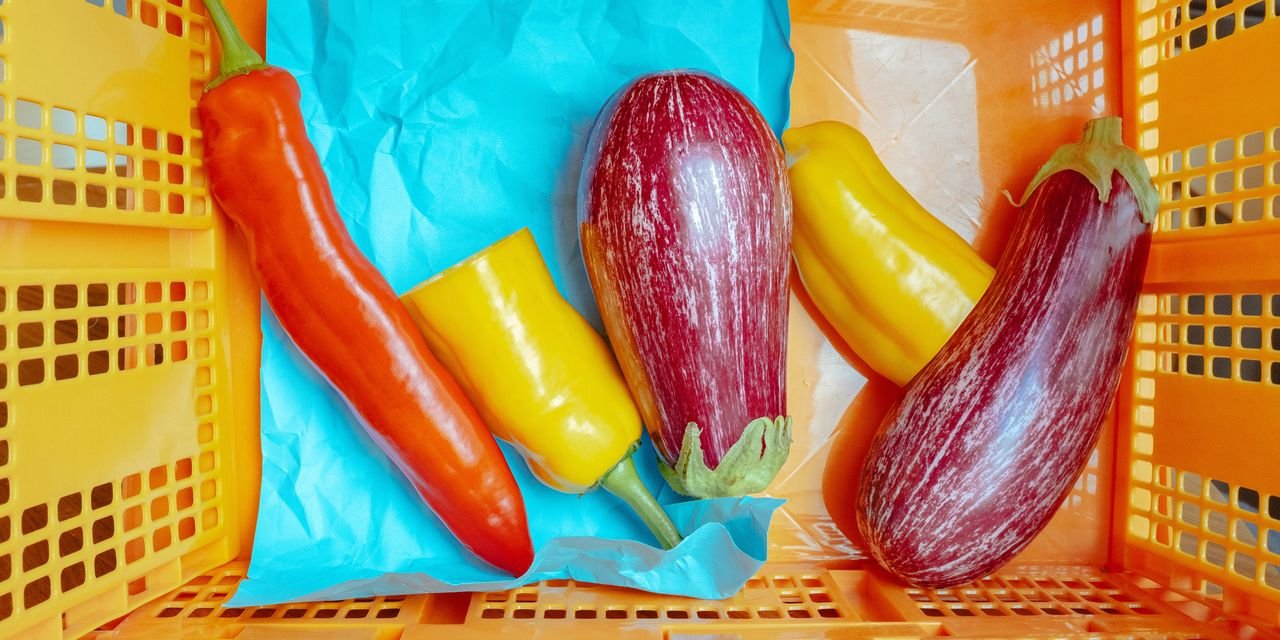
In stressful and uncertain times, we instinctively search for practices that feel grounding and steady. For some, that looks like journaling, walking, or knitting. For others, it’s cooking. “Preparing food engages all five senses, and that full-body experience can feel grounding in a way few other daily tasks can,” Agata Williams, RDN, tells SELF. “You’re touching the bell pepper before chopping, smelling the seasoning in the pan, hearing it sizzle, and seeing the colors change. Then, at the end of it all, you taste it,” she explains.
Cooking engages the body in small, repetitive ways. Washing, chopping, sorting, and stirring are motions that ask my hands to do something steady and specific. When I am absorbed in that task, my thinking slows and my shoulders drop.
It’s not magic. It’s mechanics. “Cutting, separating, and sorting are repetitive movements that can be soothing to the nervous system,” Jaree Cottman, a licensed mental health therapist and founder of Kitchen Therapy tells SELF.
When cooking becomes calming, nutrition therapist Kim Shapira, RD, describes it as a shift into a different mental state. Cooking can become “a trance,” where your mind is no longer focused on “bills or problems,” but instead moves into “gratitude and beauty and art,” she tells SELF. At its best, cooking feels “almost like a little slow dance with yourself.”
