

Eating foods that cause bloating triggers gas production or lactose intolerance. Bloating refers to the experience of having a full abdomen (belly).
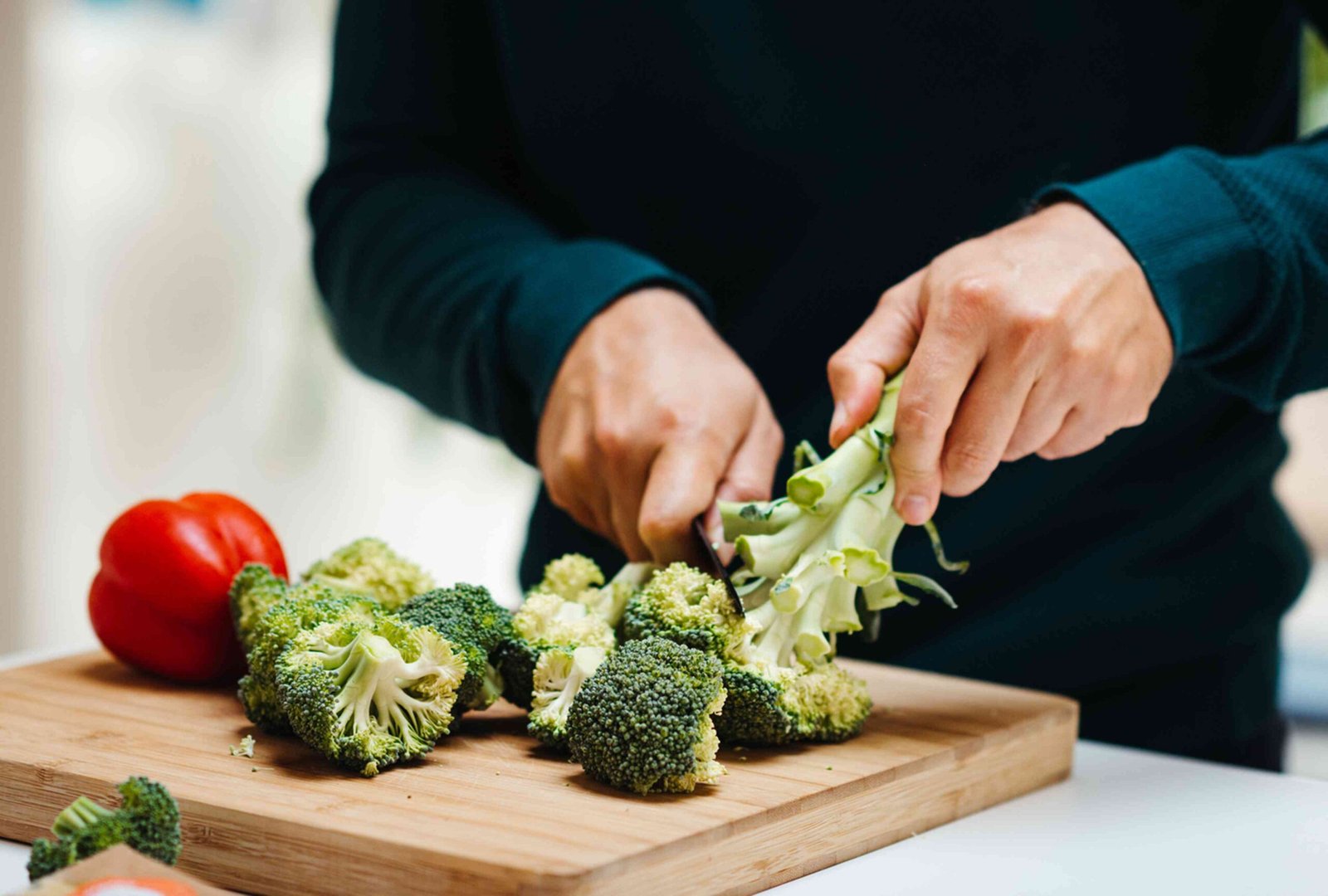
Cruciferous vegetables, like broccoli and cabbage, have nutrients including calcium, folate, potassium, and vitamins C, E, and K.
These vegetables also contain a sugar called raffinose. Raffinose produces gas and causes bloating.
Beans and lentils are known as gas-causing foods. Although they have more than enough protein, they also contain sugars and fiber your body cannot absorb. This lack of absorption leads to gas and bloating.
Tip: Combine legumes with easily digestible whole grains, like rice or quinoa, and drink plenty of water. Your body will eventually get used to fiber-rich foods, which may lessen your symptoms.
You may be lactose intolerant if you feel gassy after a few slices of cheese or a bowl of cereal with milk. People who are lactose intolerant lack the necessary enzymes to break down lactose (the sugar found in dairy products). When this occurs, gas can form and trigger bloating.
Tip: Opt for lactose-free or non-dairy alternatives. You can also try lactase tablets, which help you digest foods with lactose.
Carbonated beverages like soda and sparkling water contain carbon dioxide gas. This gas is released in your gut, which can lead to pressure, trapped air, and abdominal swelling.
Eating high-sodium foods can trigger water retention and bloating.
Avoiding sodium is not as simple as not using the saltshaker. Sodium can be found in most processed and packaged foods, including soups, bread, and fast foods.
Sugar alcohols or polyols are found in foods like berries, cauliflower, and corn. They are also used as sugar substitutes or artificial sweeteners in various foods.
Examples include:
- Erythritol
- Isomalt
- Lactito
- Maltitol
- Mannitol
- Sorbitol
- Xylitol
They are known to cause bloating in some people.
Onions and garlic are packed with soluble fibers called fructans. The body is not great at digesting fructans.
Some people have a fructan intolerance. When fructans ferment in the bowel, they attract water into the colon, which causes gas and bloating.
Apples are not only high in fiber. They also contain fructose and sorbitol. These are sugars found in fruits that many people cannot tolerate, which can lead to gas and a puffy feeling.
Like apples, watermelons are high in fructose, with about 10 grams in just one slice.
Some people may also have hereditary fructose intolerance or fructose malabsorption. Both can cause bloating after ingesting fructose. Foods with high fructose content can also worsen IBS symptoms.
Gluten is a protein found in grains like wheat, barley, and rye. It’s often found in breads, cakes, or pastas.
People with celiac disease have an autoimmune response (in which the immune system accidentally attacks itself) after eating gluten. Other people may have a non-celiac gluten sensitivity. Both may have digestive symptoms, including bloating, after eating gluten.
In addition to certain foods and drinks, several factors contribute to bloating, such as:
- Constipation
- Gastroesophageal reflux disease (GERD)
- Irritable bowel syndrome (IBS)
- Ovarian cancer
- Overeating
- Small intestinal bacterial overgrowth (SIBO)
- Swallowing air
- Weight gain
Some fruits and vegetables that may be beneficial for bloating:
- Bananas: Foods rich in potassium, like bananas, prevent water retention. Potassium controls sodium levels and can decrease salt-induced bloating.
- Cucumber: This vegetable contains quercetin, an antioxidant that helps decrease swelling.
- Fennel seeds: The seeds have a compound that relaxes spasms, which allows gas to pass and relieves bloating.
- Ginger: Ginger contains the digestive enzyme zingibain, which helps the gut break down protein. This may relieve gas, bloating, and constipation.
- Papaya: An enzyme in papaya called papain helps break down protein, which makes digestion easier. Papaya also has anti-inflammatory effects and fiber that support digestion.
- Pineapple: This tropical fruit is mostly water, which keeps you hydrated. Bromelain, an enzyme found in pineapples, helps break down proteins.
Other helpful foods and drinks include:
- Cinnamon: People have traditionally used cinnamon to treat digestive symptoms like bloating.
- Peppermint and chamomile tea: Both relax digestive muscles to help get rid of gas. Chamomile can also soothe and relax, which may ease stomach discomfort.
- Yogurt: Yogurt has probiotics, or helpful gut bacteria that support digestion. People with lactose intolerance may want to opt for a plant-based yogurt.
