

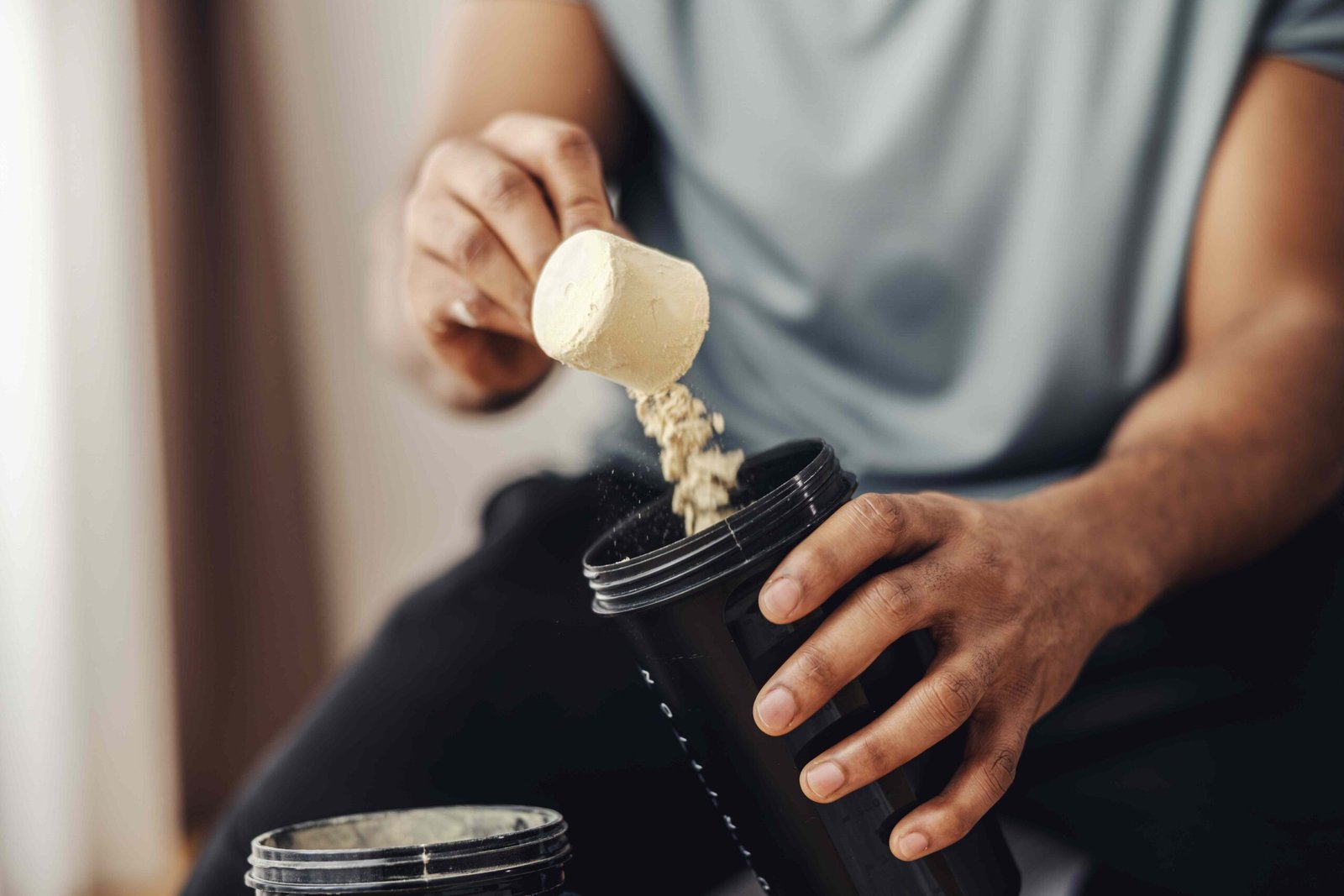
Pre-workout supplements have become a popular product for boosting energy, supporting muscle growth, and improving endurance during exercise. The common ingredients in pre-workout have some evidence-based benefits for your gym sessions, but they also come with a few risks.
Pre-workout supplements often contain caffeine as the primary ingredient to make you feel more alert and energetic in the gym, Alexander LeRitz, MSc, RDN, CDN, CNSC, CPT, a registered dietitian and sports nutritionist at JM Nutrition, told Health.
Caffeine has a similar chemical structure to the compound adenosine, also known as the “fatigue” molecule. Adenosine builds up in your brain throughout the day, making you feel tired.
When you consume caffeine, it blocks the adenosine receptors in your brain, making you feel more alert and attentive, LeRitz explained.
This process also triggers the release of excitatory hormones, such as epinephrine (adrenaline), which increases your heart rate and boosts energy.
Caffeine can also help your muscles work harder for longer, said Brian Cole, MD, MBA, a sports medicine surgeon, the head team physician for the Chicago Bulls, and a team physician for the Chicago White Sox.
When caffeine blocks your adenosine receptors, you can exert your muscles to a greater extent without normal “tiredness signals” reaching your brain, Cole explained. Essentially, caffeine “helps your muscles contract for longer without reaching ‘failure,’” he told Health.
Your pre-workout supplement may also contain beta-alanine, an amino acid that increases your muscle carnosine levels. Carnosine helps buffer against the acids that build up during intense exercise, delaying muscle fatigue and the “proverbial ‘burn’ sensation,” LeRitz said. This can ultimately lead to improved exercise performance.
If you’re doing cardio, the caffeine in pre-workout may also help improve your endurance, LeRitz said. Caffeine can bolster your respiratory function and aerobic capacity, he explained, which means you may be able to run, cycle, or swim further before fatigue sets in.
Another common ingredient in pre-workout is citrulline malate, a compound that may enhance blood flow to your working muscles. This helps supply your muscles with fresh oxygen while effectively carrying away your muscles’ waste, LeRitz said, which can help improve endurance.
Some people may be more sensitive to the effects of pre-workout depending on their caffeine tolerance and metabolism. In a 2019 survey of 1,045 people taking pre-workout, more than half (54%) reported side effects.
Common pre-workout side effects include:
- Skin reactions, including flushing, rash, irritation, and itchiness
- Nausea
- Heart abnormalities, such as rapid heart rate, elevated blood pressure, and heart palpitations
- Light-headedness or dizziness
- Feelings of jitteriness and anxiety
- Inability to sleep or insomnia
It’s generally recommended to keep caffeine intake under 400 milligrams a day, “which can easily be surpassed with the use of pre-workout supplements as they can often contain upwards of 200-300 milligrams of caffeine per serving,” LeRitz said.
“When taking pre-workout supplements, it is a good idea to watch your intake of stimulants throughout the rest of the day, which might look like skipping those morning coffees to keep overall caffeine intake below the recommended daily threshold,” LeRitz added.
Beta-alanine is also known to cause a side effect called paresthesia, a tingling sensation or feeling of “pins and needles,” often in the face, hands, and neck. It’s typically temporary and harmless, but “can be mildly uncomfortable for some individuals and may cause anxiety if someone is not expecting it,” LeRitz said.
According to Cole, pre-workout isn’t recommended for people under age 18 or during pregnancy. It’s also not advised for people with pre-existing conditions, such as heart disease, arrhythmia, hypertension, anxiety, liver disease, or kidney disease, because the ingredients in pre-workout may worsen baseline symptoms, Cole said.
If you do try a pre-workout supplement, LeRitz suggested starting with one that’s lower in caffeine and free of proprietary blends, which don’t disclose the exact amount of each ingredient.
LeRitz also recommended starting with a quarter- or half-dose to assess your reaction to pre-workout before taking the full amount. “Dipping your toes in the water” can help protect your sleep and recovery, and mitigate side effects, he said.
