

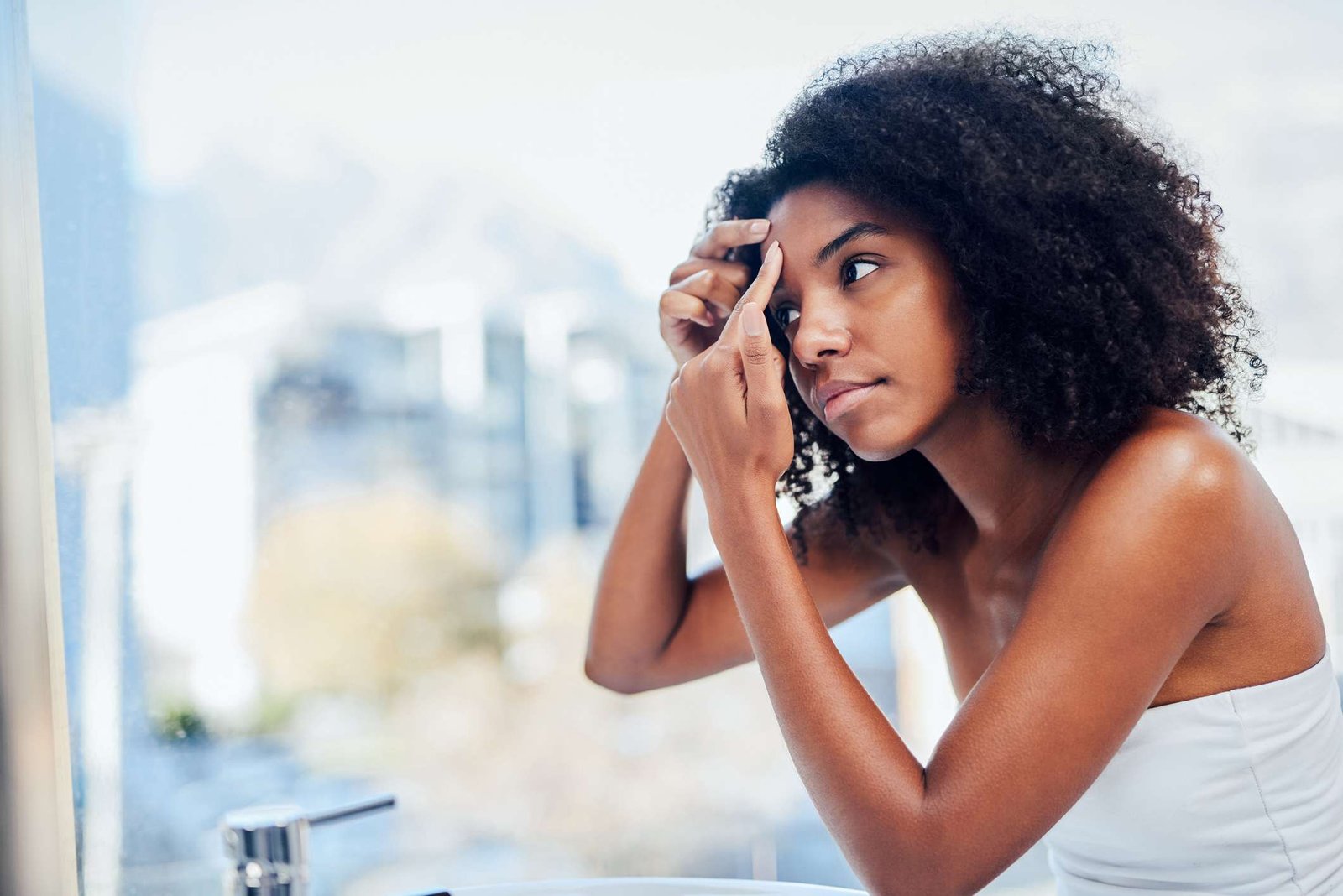
You can use over-the-counter (OTC) acne treatments to remove blackheads at home. If blackheads are long-lasting, a dermatologist can recommend in-office treatments
Washing your face or body with a salicylic acid cleanser helps unclog pores. Salicylic acid is a beta-hydroxy acid (BHA). It acts as a chemical exfoliator to decrease oil and remove dead skin cells that cause blackheads.
Tip: Salicylic acid can be drying. Use it once a day if it irritates your skin.
Topical retinoids are vitamin A derivatives that increase cell turnover. This effect sloughs off dead skin cells so they do not clog pores.
Most retinoids require a prescription. However, Differin (adapalene) is available over the counter.
Tip: Layering skincare with salicylic acid and retinoids can irritate your skin. Try alternating applications in the morning and night if your skin is too sensitive for both.
Retinoids also make your skin sun-sensitive, so apply sunscreen daily.
Benzoyl peroxide can get rid of excess bacteria on your skin. It also helps reduce oil to remove blackheads.
Sulfur and resorcinol decrease oil and dissolve blackhead blockages. Resorcinol also removes build-up of dead skin cells.
Cleansers, serums, and creams that contain alpha hydroxy acids (AHAs) can remove blackheads. AHAs exfoliate your skin and unclog pores. Popular options include glycolic and lactic acid.
Tip: Glycolic acid penetrates your skin even deeper than salicylic acid. Lactic acid is more gentle, which is ideal for dry or sensitive skin.
A dermatologist or aesthetician often exfoliates the skin during comedone extraction. They use a sterile metal tool to squeeze out blackhead gunk.
Blackhead extraction is not preferred. It takes more time and can be pricey. A dermatologist may suggest it if other treatments do not improve blackheads.
Microdermabrasion removes the top skin layer with an abrasive device. It penetrates blackheads deeper than home remedies and offers a more sterile environment to prevent infection.
One session typically takes about 30-40 minutes. You may need 5-16 treatments to remove blackheads.
Microdermabrasion is not recommended for people who use a retinoid, which can cause scarring. Insurance also does not often cover microdermabrasion.
A chemical peel removes built-up oil and dead skin cells and improves skin texture. A dermatologist applies chemicals to remove skin layers and exfoliate away damaged skin.
Chemical peels vary in intensity. They are available in refreshing or lunchtime, medium, or deep peels. You may have mild irritation or intense skin redness and crusting.
Your skin can take days to weeks to heal. Insurance may not cover chemical peels that remove blackheads.
Photopneumatic therapy uses an intense pulsed light (IPL) laser and vacuum. Both remove dead skin cells and oil from pores and clear blackheads.
After one session, you may have mild burning and stinging. It can take multiple sessions to see results.
Note: In-office and at-home visible light devices (like blue and red light) and infrared light treatments cannot treat blackheads.
Be wary about using the following treatments to remove blackheads:
- Physical exfoliators: Abrasive brushes or scrubs cannot reach pores deeply enough to remove oil and dead skin cells.
- Pore strips: They will only temporarily remove skin congestion. Pore strips will not prevent clogged pores. They do not treat blackheads in the long run.
- Pore suction tools: These can stretch and damage your skin.
Should You Pop Blackheads?
Do not pop any blemish with your fingers or fingernails. It can push clogged oil and dead skin deeper into the pores, increasing inflammation and scarring.
Inflammation can make blackheads more noticeable, and pores appear enlarged. Touching blackheads can also bring more dirt and bacteria into the pores, which may cause infection and painful acne.
It may be time to see a dermatologist if you have tried home remedies for 6-8 weeks without success. You may need a prescription-strength retinoid or other professional treatments.
Ways to control build-up on your skin to prevent blackheads include:
- Apply moisturizer and sunscreen regularly.
- Avoid touching your face, which spreads dirt, oil, and bacteria.
- Choose skincare products and makeup that are oil-free and non-comedogenic, meaning they do not clog pores.
- Remove makeup before you go to bed.
- Wash your face with a gentle, foaming cleanser twice daily and after sweating.
