

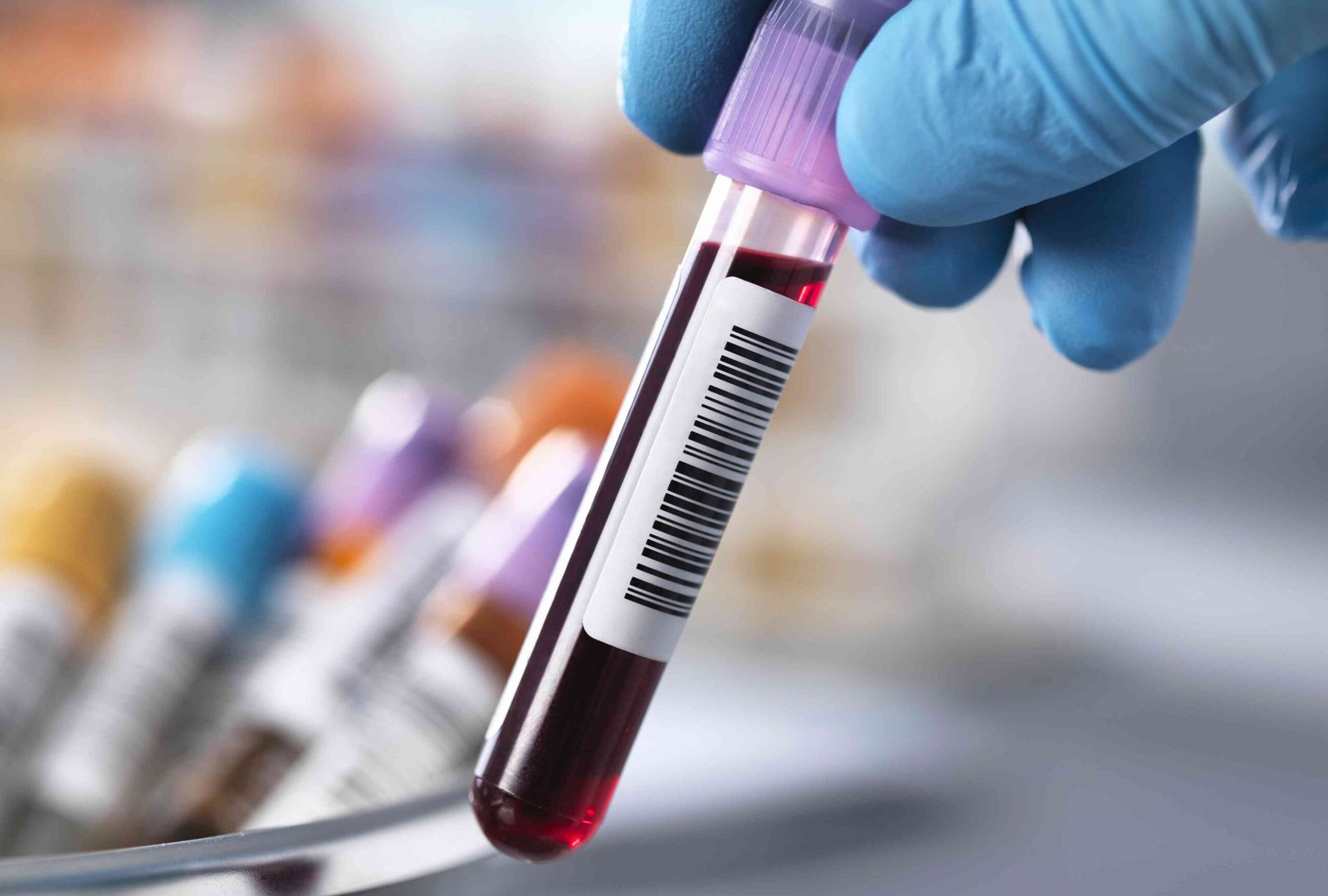
In adults, a normal platelet count ranges from 150,000 to 450,000 per microliter. Counts below 150,000 indicate the platelet disorder thrombocytopenia. Symptoms may appear suddenly or gradually, but sometimes aren’t present.
Platelets, which are also called thrombocytes, are produced in the bone marrow from larger cells. When injured, platelets form a plug, called a blood clot or thrombus, to seal the wound.
Low platelet counts make it hard to stop bleeding. It can occur internally, beneath, or on the skin. Serious complications arise when the count is very low. Seek early treatment to prevent life-threatening bleeding, especially in the brain.
Platelets can also activate when they sense a foreign invader in the body, releasing proteins to fight the infection. In addition to an increased likelihood of not being able to stop bleeding, thrombocytopenia may also lower your body’s chances of successfully fighting infection.
Thrombocytopenia is likely underdiagnosed and underreported, as many people experience only mild symptoms.
Thrombocytopenia is usually associated with bleeding. Symptoms may appear suddenly, slowly, or not at all. The condition is often found through routine blood tests.
Common signs of bleeding in thrombocytopenia may include:
- Prolonged bleeding, even from minor injuries
- Petechiae, which are small, flat red spots beneath your skin, are caused by leakage from your blood vessels
- Purpura, or bleeding in the skin, resulting in red, purple, or brownish-yellow spots
- Nosebleeds or bleeding from the gums
- Blood in the urine (hematuria) or stool (hematochezia), causing it to appear as bright red or as a dark, tarry color
- Heavy menstrual bleeding
- Bruising
Thrombocytopenia is generally caused by one of three things. These are insufficient platelet production in your bone marrow, increased breakdown of platelets within your bloodstream, and increased breakdown of platelets in your spleen or liver.
Other conditions and factors can affect platelet production in your bone marrow, including:
- Aplastic anemia, which occurs when your bone marrow fails to produce an adequate number of blood cells
- Bone marrow cancers like leukemia
- Cirrhosis, a condition characterized by liver scarring
- Folate deficiency
- Rare infections affecting the bone marrow
- Myelodysplastic syndrome, which occurs when the bone marrow either makes too few healthy blood cells or produces defective cells
- Vitamin B12 deficiency
Thrombocytopenia can also occur through the use of certain medications, including chemotherapy. A 2021 study found that 13% of those being treated for solid tumors and 28% of those with haematologic malignancies, such as leukemia, developed thrombocytopenia within the first three months of chemotherapy.
Environmental exposure to toxic chemicals like pesticides, arsenic, and benzene can also impede healthy platelet production. Unhealthy lifestyle habits, such as excessive alcohol consumption, can temporarily lower your platelet count, especially in people with low vitamin B12 or folate levels.
To diagnose thrombocytopenia, your healthcare provider will start by gathering information about your medical history and family background. They will also ask you about any symptoms you may be experiencing and perform a physical examination to identify any signs of bleeding.
Your provider may think it’s necessary to perform more blood tests. For example, a complete blood count, or CBC, may be ordered. This test measures the levels of platelets and other blood cells in your bloodstream.
Another test your provider may order is a blood smear test. This involves placing a small sample of your blood on a slide and examining it under a microscope to further examine your platelets. Additionally, bone marrow tests may be ordered to assess the overall health of your bone marrow.
If your healthcare provider suspects that you have thrombocytopenia or another bleeding disorder, they may refer you to a hematologist. Hematologists specialize in diagnosing, treating, and managing blood-related conditions.
The treatment approach for thrombocytopenia varies depending on the underlying cause and the presence of symptoms. In cases of mild thrombocytopenia, treatment may not be necessary.
However, if you are experiencing severe bleeding or have a high risk of complications, your healthcare provider may recommend various medications or procedures. Treating the underlying condition responsible for the low platelet count is also important and will be part of the treatment regimen.
Medications
Sometimes medications can cause platelet levels to drop. If so, your provider may prescribe an alternate medication. For cases where your immune system is causing your low platelet count, your provider may prescribe medications that suppress your immune response (immunosuppressants).
Medications such as corticosteroids (e.g., prednisone) are commonly used to increase platelet count. Other medicines like Promacta (eltrombopag) and Nplate (romiplostim) can help stimulate platelet production.
Monoclonal antibody medications such as Rituxan (rituximab) are medications that can aid in preventing your immune system from destroying platelets.
Procedures
If medications are ineffective, certain procedures may be considered.
Blood or platelet transfusions are used for individual cases of heavy bleeding or among those at high risk of bleeding.
In some cases, surgical removal of the spleen, also called a splenectomy, may be needed to improve platelet levels in your bloodstream. However, this procedure carries potential risks, including bleeding, infection, and abnormal blood clots, so other treatment options may be offered first.
Ask your healthcare provider about any medical conditions you have or prescribed medications you take that may increase your risk of thrombocytopenia. Work with them to create a treatment plan to reduce this risk, if possible.
Thrombocytopenia can be influenced by the following medical conditions:
- Autoimmune disorders: These include immune thrombocytopenia (ITP), lupus, and rheumatoid arthritis, which can mistakenly trigger your immune system to attack and destroy platelets.
- Cancer: This especially includes blood cancers such as leukemia or lymphoma. These types of cancers, and cancer treatments like radiation and chemotherapy, can damage your bone marrow and destroy blood stem cells.
- Conditions that cause blood clots: These include thrombotic thrombocytopenic purpura (TTP) and disseminated intravascular coagulation (DIC).
- Bacterial and viral infections: Thrombocytopenia can occur in chronic infections such as hepatitis B, hepatitis C, and human immunodeficiency virus (HIV).
- An enlarged spleen: though rare, an enlarged spleen can be caused by certain conditions, such as liver disease and leukemia.
- Pregnancy: Mild thrombocytopenia can develop when you are close to delivery. It is possible to see a gradual decline in platelets from the first trimester until birth. This is attributed to the body’s need to support the growing fetus.
- Some surgical procedures: Platelets can be destroyed during surgeries involving artificial heart valves, blood vessel grafts, or the use of machines and tubing for blood transfusions or bypass surgery. This can occur as they pass through these artificial structures and equipment, leading to a decrease in platelet count.
The prognosis of thrombocytopenia varies and depends on the cause. The best way to prevent complications of thrombocytopenia is by working with your healthcare provider to establish a treatment regimen and determine what lifestyle changes you should make. Infection prevention measures should also be taken.
Tell your provider if you have any symptoms of an infection, such as a fever. Removing your spleen raises your risk of an infection. In this case, your provider may discuss taking steps to reduce your risk of infections, such as getting vaccinated. Monitor for symptoms of bleeding, which can quickly become a medical emergency.
If you are a smoker, then quitting smoking can make a huge difference in your health outcomes. Smoking can raise your risk of developing a blood clot.
Avoid contact sports, and ask your provider about physical activities that are safe for you. Take safety precautions, such as using a seatbelt while riding in a car and wearing gloves when working with knives and other tools.
Make sure to take all medicines as prescribed. Before any surgery or dental procedures, tell your healthcare provider about any medications you take that may lower your platelet count.
These medicines may increase bleeding during these procedures. Avoid medicines that may lower your platelet count or stop your platelets from working properly. Aspirin and Advil (ibuprofen) are commonly used medicines that may thin your blood too much.
