
Close Menu
Fit and Healthy Weight

    Subscribe to Updates

    Get the latest creative news from FooBar about art, design and business.

    What's Hot

    7 Best Potato Chip Brands Made With Just 3 Ingredients

    March 10, 2026

    10 Daily Habits That May Cause Blood Sugar Spikes

    March 10, 2026

    The Ideal Morning Routine for Digestion, According to a Gastro

    March 10, 2026
    Facebook X (Twitter) Instagram
    Facebook X (Twitter) Instagram
    Fit and Healthy Weight
    Tuesday, March 10
    • Home
    • Diet
    • Mindset
    • Recipes
    • Reviews
    • Stories
    • Supplements
    • Tips
    • Workouts
    Fit and Healthy Weight
    Home»Stories»What Happens to Your Blood Pressure When You Stop Eating Salt
    Stories

    What Happens to Your Blood Pressure When You Stop Eating Salt

    By March 10, 2026No Comments4 Mins Read
    Share Facebook Twitter Pinterest LinkedIn Tumblr Reddit Telegram Email
    What Happens to Your Blood Pressure When You Stop Eating Salt
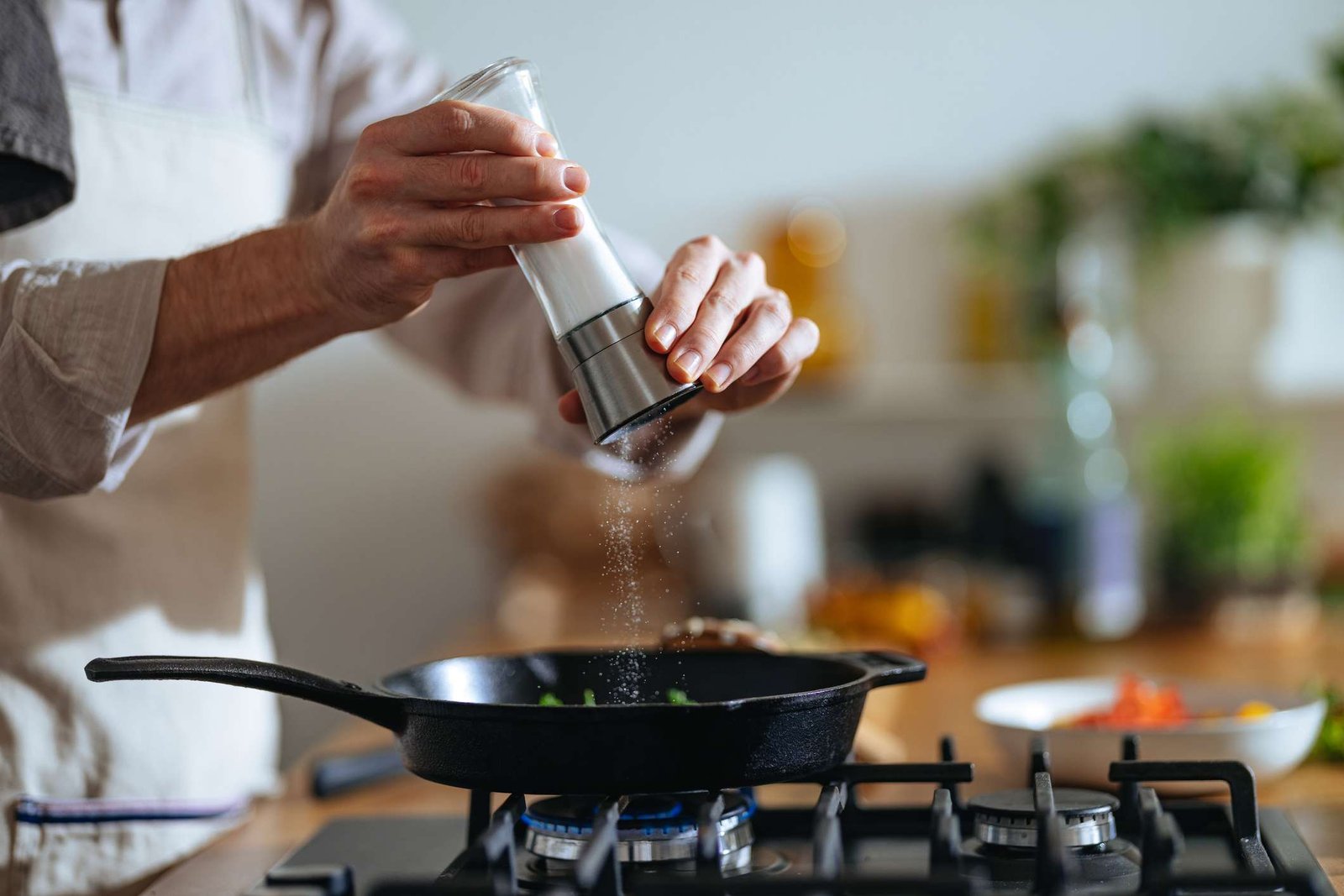
    Reducing your daily salt intake can help support your blood pressure and overall heart health.

    miniseries / Getty Images

    Share
    Facebook Twitter LinkedIn Pinterest Email


    Eating too much salt can cause your body to retain extra water, which increases blood pressure. Most people consume too much salt—about 9 grams daily. Reducing salt intake can help lower blood pressure. However, the effects may not be the same for everyone.

    Sodium helps maintain the body’s water and electrolyte balance, which is essential for normal cell function.

    However, too much sodium causes your body to hold extra water in your blood vessels. This increases blood volume, putting more pressure on your heart and arteries.

    Reducing sodium intake can lower blood volume and, in turn, help decrease blood pressure.

    Eating too much sodium increases blood volume. The kidneys sense this and filter out extra sodium and water. When there is more sodium than the kidneys can handle, the excess stays in the blood vessels. This increases pressure on the artery walls and raises blood pressure.

    Reducing salt intake is one of the best strategies to lower blood pressure. People with high blood pressure are more likely to benefit from reducing salt.

    A 2021 research review found that reducing sodium intake by 1,000 milligrams per day lowers blood pressure by about 2.4 mmHg systolic and 1 mmHg diastolic. People with high blood pressure experienced even greater reductions.

    Eating too much salt is linked to an increased risk of cardiovascular disease (CVD), hypertension, stroke, and stroke-related death. 

    A 2025 study showed that each extra 1,000 milligrams per day of sodium was linked to a 4% higher risk of CVD and a 6% higher risk of stroke.

    Low sodium intake was associated with a 17% lower risk of heart-related death, a 26% lower risk of stroke-related death, and a 12% lower risk of death from any cause.

    Many foods naturally contain sodium. Manufacturers also add salt to products to improve taste, reduce bacterial risk, and preserve them.

    Here are a few simple strategies that can drastically lower salt intake:

    • Look for low-salt or no-salt alternatives: About 70% of sodium comes from processed and restaurant foods. Reading labels and choosing low- or no-sodium options can help lower salt intake.
    • Double-check nutrition labels: Some foods are labeled as low-sodium or low-salt, but they can still contain a lot of sodium. This is because they have less salt compared to the regular version. Processed meats, ready-to-eat soups, cold cuts, cured meats, and canned foods are some of the highest-salt foods. Opt for foods that have less than 5% of the Daily Value of sodium per serving.
    • Cook at home: Restaurant food often contains much more salt. Preparing meals at home can help lower your salt intake.
    • Rinse canned foods: Canned foods usually have a lot of sodium. This doesn’t mean you should avoid them—they are convenient and nutritious, like canned beans and legumes. Choose low-sodium alternatives and rinse them before use.
    • Remove the salt from the table: About 10–15% of sodium comes from salt added during cooking or at the table. Many people add salt out of habit without tasting their food. Removing the salt shaker from the table helps you add less salt, and your taste buds will adapt over time.
    • Use spices: Many people add salt to make foods taste better. You can use herbs and spices to add flavor instead.
    • Ask your healthcare professional before using potassium salts: Potassium salts replace some or all sodium with potassium and can help reduce salt intake. However, people with kidney disease, those taking potassium supplements, or using certain diuretics should check with their healthcare professional first.
    • It’s not only about salt: Overall diet, physical activity, and body weight also affect blood pressure. Following the DASH (Dietary Approaches to Stop Hypertension) diet, exercising regularly, and maintaining a healthy weight can all help support healthy blood pressure.
    Blood Eating Pressure Salt Stop
    Share. Facebook Twitter Pinterest LinkedIn Tumblr Email
    Previous Article7 Chain Restaurants With the Best Late-Night Food
    Next Article Norovirus Cases Are High Across the U.S. Here’s How To Stay Safe.

      Related Posts

      Diet

      10 Daily Habits That May Cause Blood Sugar Spikes

      March 10, 2026
      Stories

      Norovirus Cases Are High Across the U.S. Here’s How To Stay Safe.

      March 10, 2026
      Diet

      Which Should You Drink for Blood Pressure and Urinary Health?

      March 10, 2026
      Add A Comment
      Leave A Reply Cancel Reply

      Top Posts

      New Research Shows Eggs Don’t Raise Your Cholesterol—But Here’s What Does

      August 1, 20256 Views

      6 Best Weightlifting Belts of 2025, According to Trainers

      July 3, 20255 Views

      What happened when I started scoring my life every day | Chris Musser

      January 28, 20262 Views
      Stay In Touch
      • Facebook
      • YouTube
      • TikTok
      • WhatsApp
      • Twitter
      • Instagram
      Latest Reviews
      Tips

      When Is the Best Time to Eat Dinner for Your Health?

      adminJuly 1, 2025
      Diet

      This Intermittent Fasting Method Outperformed the Rest—But There’s a Catch

      adminJuly 1, 2025
      Workouts

      ‘Neckzilla’ Rubel Mosquera Qualifies for 2025 Mr. Olympia After Flex Weekend Italy Pro Win

      adminJuly 1, 2025

      Subscribe to Updates

      Get the latest tech news from FooBar about tech, design and biz.

      Most Popular

      When Is the Best Time to Eat Dinner for Your Health?

      July 1, 20250 Views

      This Intermittent Fasting Method Outperformed the Rest—But There’s a Catch

      July 1, 20250 Views

      Signs, Identification, Impact, and More

      July 1, 20250 Views
      Our Picks

      7 Best Potato Chip Brands Made With Just 3 Ingredients

      March 10, 2026

      10 Daily Habits That May Cause Blood Sugar Spikes

      March 10, 2026

      The Ideal Morning Routine for Digestion, According to a Gastro

      March 10, 2026
      Recent Posts
      • 7 Best Potato Chip Brands Made With Just 3 Ingredients
      • 10 Daily Habits That May Cause Blood Sugar Spikes
      • The Ideal Morning Routine for Digestion, According to a Gastro
      • Norovirus Cases Are High Across the U.S. Here’s How To Stay Safe.
      • What Happens to Your Blood Pressure When You Stop Eating Salt
      Facebook X (Twitter) Instagram Pinterest
      • About Us
      • Contact Us
      • Disclaimer
      • Privacy Policy
      • Terms and Conditions
      © 2025 Fit and Healthy Weight. Designed by Pro.

      Type above and press Enter to search. Press Esc to cancel.