

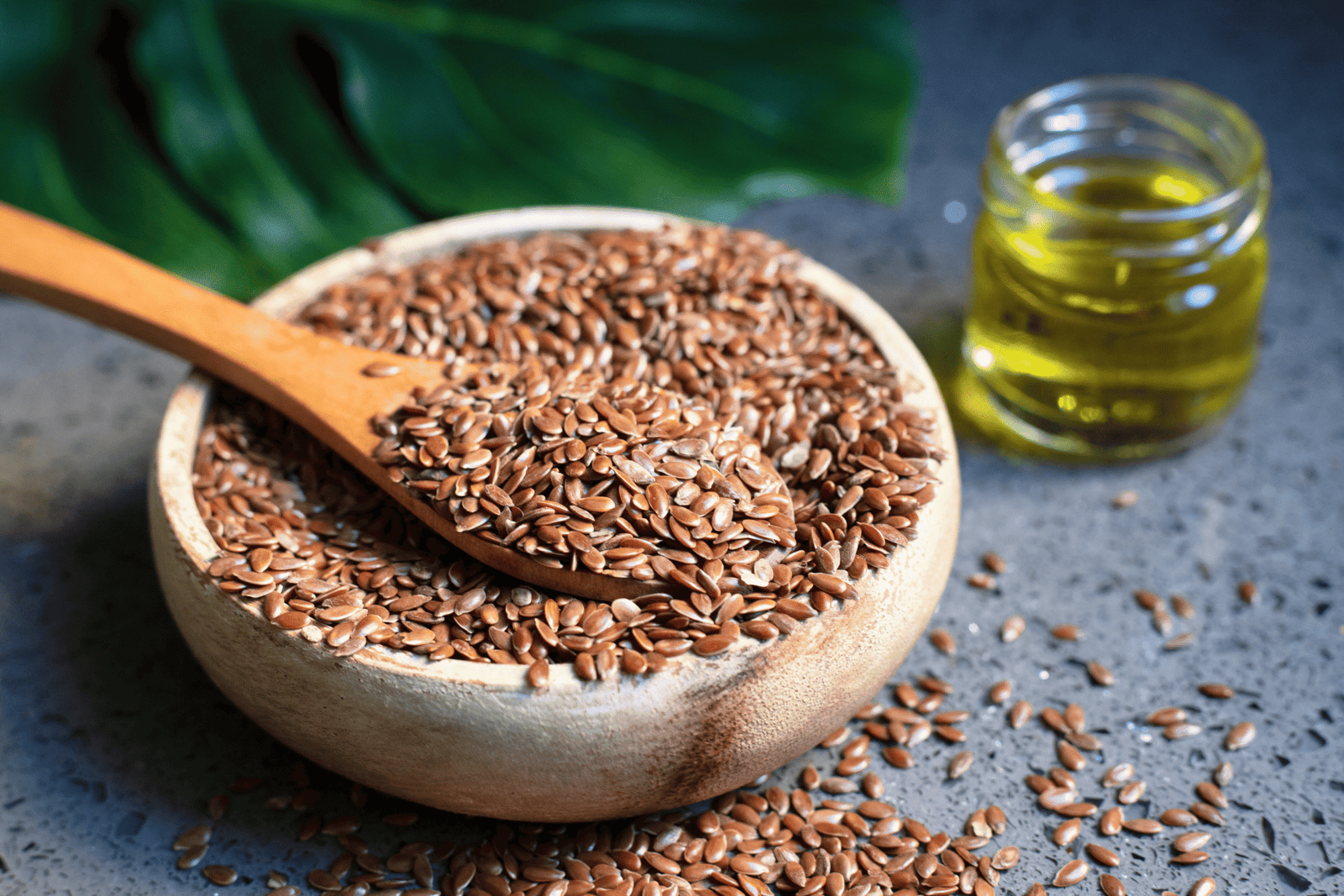
Packed with fiber, protein, vitamins, healthy fats, and more, flaxseeds have earned their reputation as a nutritional powerhouse. But can the tiny seeds make a meaningful difference for your blood pressure? Here’s what to know.
While results can vary, experts agree that regular flaxseed consumption may help lower blood pressure. “Overall, the evidence points to modest and consistent benefits on average, with the potential for greater impact in those with elevated blood pressure,” Michelle Routhenstein, MS, RD, CDCES, CDN, a cardiology dietitian at Entirely Nourished, told Health.
A 2024 meta-analysis supports that idea, finding that flaxseed consumption for at least eight weeks was associated with average reductions of about 8.6 millimeters of mercury (mm Hg) in systolic blood pressure (the top number) and 4.9 mm Hg in diastolic blood pressure (the bottom number) among people with above-normal levels.
While munching on flaxseeds isn’t a cure for high blood pressure, Routhenstein said even relatively small reductions can be meaningful when combined with other heart-healthy strategies, such as limiting sodium, staying physically active, and managing stress.
Alexandra Gurskaya Pineda, NP, a board-certified family nurse practitioner with Manhattan Cardiology, agreed that flaxseeds alone are unlikely to “fix” high blood pressure. “They should be viewed as a complementary intervention alongside routine medications and not a primary treatment,” she said.
Flaxseeds are rich in alpha-linolenic acid (a type of omega-3), fiber, and lignans, a plant compound with antioxidant effects.
Together, these compounds help reduce inflammation in the blood vessels, allowing them to relax and improve blood flow—bringing down blood pressure, explained Michael Richardson, MD, a family physician and president of the Massachusetts Academy of Family Physicians.
Flaxseeds appear to be especially helpful for “people with peripheral artery disease, where blood vessels are more narrowed and inflammation plays a larger role,” Richardson told Health.
Experts noted several other important factors to consider before adding flaxseeds to your diet for blood pressure support:
- Risks: Flaxseeds are generally safe for most people, but Routhenstein said they can cause digestive issues—such as bloating, gas, or diarrhea—if you eat too many or you don’t drink enough water. Pineda also noted the possibility of allergic reactions and interactions with certain medications, such as blood thinners. Routhenstein also advised against flaxseeds if you’re pregnant or breastfeeding, since they have been linked to hormonal effects.
- Preparation: Ground flaxseeds are best, Routhenstein said. They’re preferred over flaxseed oil, which lacks fiber and lignans, and are typically recommended over the whole seeds—the tough outer shell is hard to digest and makes the nutrients less accessible to your body. You can sprinkle ground flaxseeds into yogurt, oatmeal, and smoothies, or bake them into recipes.
- Amount: Routhenstein suggested starting with 1 to 2 teaspoons of ground flaxseed per day, then gradually increasing to 1 to 2 tablespoons as tolerated. If you tolerate flaxseeds well, Richardson said consuming around 30 grams (or about 3 tablespoons) of ground flaxseed per day “can have a blood pressure-lowering effect similar to a single antihypertensive medication.” In general, eating larger amounts over longer periods of time can produce the most results.
It’s a good idea to consult a doctor rather than relying on flaxseeds or other dietary changes alone to manage blood pressure. While flaxseeds are “promising for people interested in natural approaches to health,” Richardson added, “blood pressure management should still be discussed with your physician to develop a plan that best supports your goals.”
