

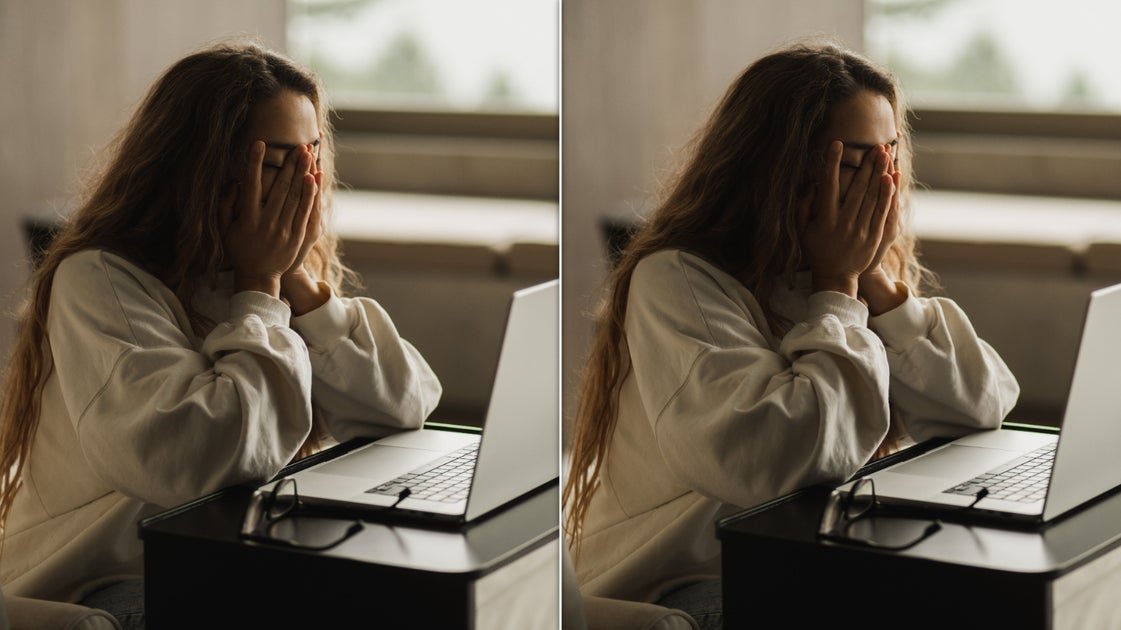
More and more people are feeling stressed and anxious in recent years, according to research published by the American Psychiatric Association.
There are many reasons for these heightened levels, from increasing costs to political uncertainty to our reliance on smartphones with near-constant notifications. But experts say the phone-based interconnectedness, in particular, is raising “low-level stress,” which can have major impacts on both our mental health and physical health.
Low-level stress is stress that essentially constantly simmers under the surface. You may not even clock it as stress at all; it feels more like stimulation. This type of stress is “something that’s becoming more apparent, especially with how interconnected we are,” said Dr. Jace Reed, the director of emergency psychiatry at Cedars Sinai in California.
Think about it: You likely wake up to an alarm on your phone. A phone that has near-constant news alerts and social media pushes. You also then likely use your phone for work, where emails and requests from co-workers come in at all hours. “And so this just adds to our baseline stress levels,” Reed explained.
How can you tell the difference between low-level stress and just the day-to-day life stress?
“I think when we talk about low-level stress, it’s when you’re unable to manage day-to-day processes, challenges or changes without an increased or heightened sense of emotion,” said Dr. Dwight Owens, a psychiatrist and owner of PeachState Psychiatric Services in Georgia.
Perhaps you’re finding yourself feeling irritated over little issues or overwhelmed by tasks that didn’t always overwhelm you, but you continue to function and push through your day. That may indicate that you may be dealing with low-level stress.
Oleg Breslavtsev via Getty Images
Low-level, underlying stress can cause issues such as high blood pressure, headaches and sleep trouble.
Low-level stress can cause physical health issues, in addition to disruptions to you mental health.
You probably don’t often consider how stress impacts your physical health ― but every system in our body responds to the emotion.
“When stress is persistent and we’re not getting the breaks that we need, we’re having increased firing of our sympathetic nerves and changes in our stress hormones, which can lead to changes in our cardiovascular health, which includes increased blood pressure, increased heart rate,” Reed said.
“Most of our illnesses are both psychological and physiological to a degree,” Owens noted.
Low-level stress can cause appetite changes, sleep changes, headaches and even general body aches. Skin problems, such as eczema, can also be a result of underlying stress and anxiety, Owens said.
You may also experience different GI issues, according to Reed. Stress, for example, can lead to stomach pain, diarrhea, and worsen issues like irritable bowel syndrome.
“When all of these things are chronic in nature, they increase our risk for other disease processes as well ― and, overall, it impedes our ability to get better after we’re sick,” Reed said, noting that low-level stress can increase inflammation in the body as well.
You can’t completely eliminate stress, but you can keep low-level stress in a healthy range.
Nothing you do will erase all stress from your life, and that’s OK. You shouldn’t want that to happen.
“Inherently, stress is good for us,” Reed said. “It helps us be productive. If we weren’t stressed, we wouldn’t do our work, we wouldn’t take a test, we would just sit there and do nothing.”
But there does come a time where persistent, underlying stress ― even if you don’t think it’s that big of a deal ― needs to be addressed. Both experts said there are a handful of practices you can employ to lower your stress levels and better handle high-pressure moments in the future.
First, “everything starts with diet and exercise,” according Owens. Eating a balance of nutritious foods and working in some movement (such as walking, jogging, biking, dancing or gardening) throughout the week can help you feel better.
“We call that behavior activation therapy,” Owens said, which is a technique for disrupting feelings of depression and anxiety.
Practicing self-care is also important, Owens added. “If you can, protect that self-care time. It may be just taking a long bath or a long shower, it may be just sitting and clicking through Netflix and doing nothing,” he said.
There are also some small habits you can add to your day to be a little less stressed. Take five minutes a day to practice mindfulness, whether that’s deep breathing, meditation or going on a short walk to disconnect from everything around you, Reed said.
“Also, even at work, we constantly are getting pinged or getting notifications, and sometimes it’s actually better for our productivity to take a little bit of a pause between different tasks,” Reed said. These built-in breaks will only benefit that low-burning, underlying stress that appears every time you get a ping from your boss.
It’s worth noting that day-to-day interventions won’t be enough for everyone to manage their stress.
“Low-level stress can move into generalized anxiety disorder or major depression. Those are clinical illnesses that have to be treated,” Owens said.
If you notice that you’re stressed more days than not or if you find yourself unable to get out bed, uninterested in hanging out with friends or notice a loss in appetite, that’s a sign that you may need more support, Owens added.
“Please reach out to someone, start with a therapist … or if you need to move higher, to a psychiatrist so we can look deeper to what’s going on,” Owens said.
