

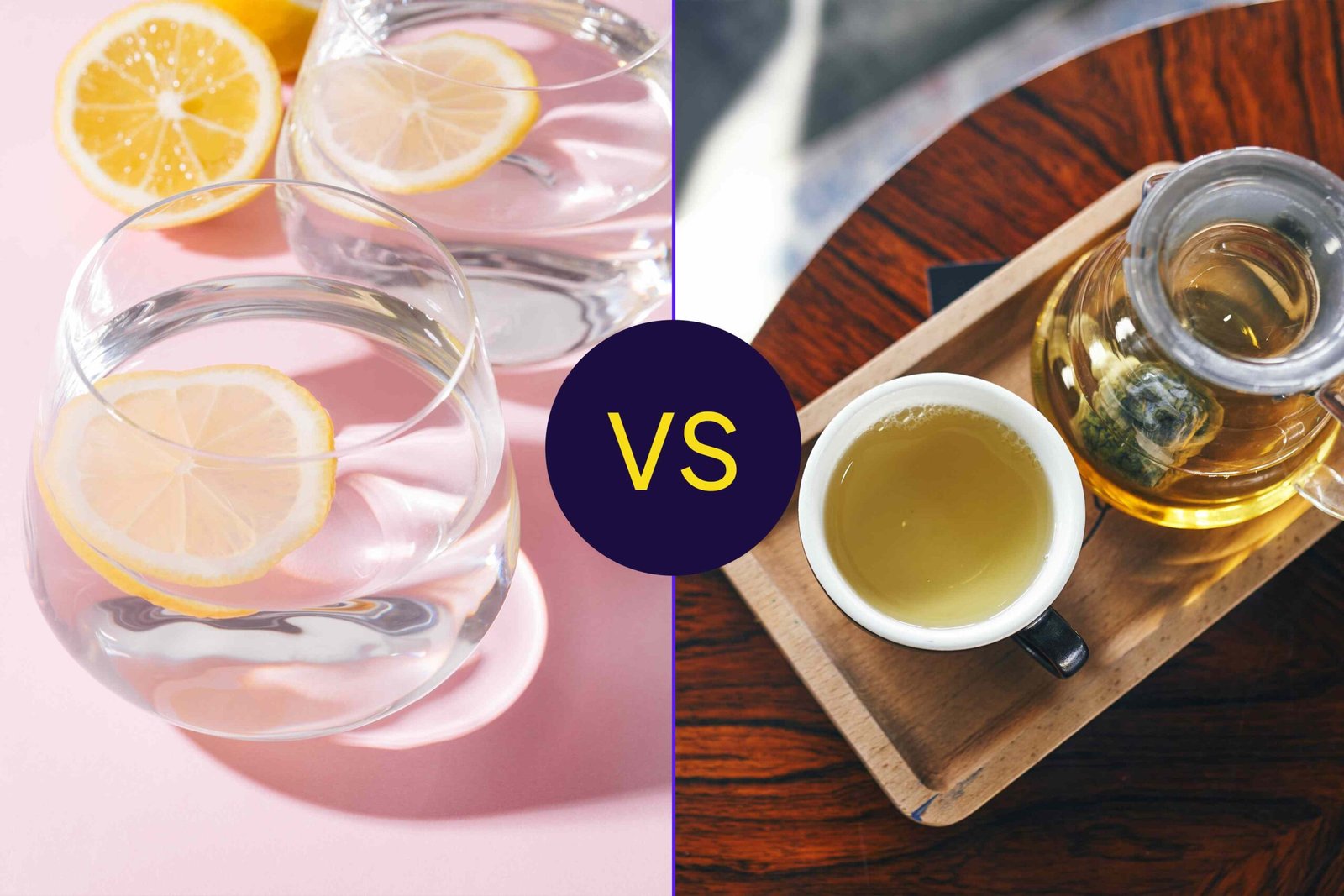
Green tea and lemon water are both hydrating and low in calories, but they differ in antioxidant content and certain health benefits.
Overall, green tea is higher in antioxidants than lemon water. Antioxidants are compounds that help protect cells from oxidative damage and may reduce inflammation.
Green tea is rich in catechins, including EGCG, epicatechin, and epigallocatechin. Research suggests these antioxidants may help protect against chronic conditions such as heart disease and certain cancers. In a 2025 study involving adults with obesity, eight weeks of EGCG supplementation lowered blood pressure and improved heart health markers.
However, lemon water also provides some antioxidant benefits. Lemon juice is rich in vitamin C, a powerful antioxidant that supports immune function and helps reduce inflammation. It also supports collagen production and may help protect skin from damage.
Green tea catechins may help the body break down fat and boost metabolic rate, which may help you burn slightly more calories. It also provides a small amount of caffeine, which may help curb appetite and slightly increase daily calorie burn.
Lemon water helps keep you hydrated, which supports a healthy metabolism. Drinking enough fluids may slightly increase energy expenditure and help your body burn calories more efficiently. Hydration also supports digestion and may help prevent bloating.
In addition to providing antioxidant compounds and supporting metabolism, regularly including green tea in your diet may:
- Support heart health by helping improve cholesterol levels and blood vessel function
- Help regulate blood sugar by improving insulin sensitivity (how well your body responds to insulin to move sugar from the bloodstream into cells)
- Protect brain health as green tea catechins may help protect nerve cells and support cognitive function
- Reduce stroke risk when consumed regularly as part of a healthy diet and lifestyle
- Promote calm focus due to L-theanine, an amino acid that supports relaxation without drowsiness
Because it contains caffeine, green tea may improve focus and energy without the jitters associated with stronger caffeinated beverages.
Lemon water supports hydration and provides key nutrients that contribute to overall health. Lemon water may:
- Aid digestion by helping move food through the digestive tract
- Help prevent kidney stones because citric acid from lemons may reduce stone formation
- Provide vitamin C to support immune health and help your body absorb iron
- Replace sugary drinks to help reduce added sugar intake
Because lemon water is acidic, drinking it through a straw and rinsing with plain water afterward may help protect tooth enamel.
The nutritional profile of green tea and lemon water varies depending on brewing strength and how much lemon juice is added.
Here’s the nutrient content of one 8-ounce cup of brewed green tea and 8 ounces of water with the juice of one lemon:
Green Tea
Lemon Water
Calories
2.45
10.6
Carbohydrates
0 grams (g)
3.31 g
Vitamin C
0 milligrams (mg)
18.6 mg, or 20.6% of the Daily Value (DV)
Caffeine
29.4 mg
0 mg
Green tea is rich in antioxidant catechins and contains a small amount of caffeine. Lemon water provides vitamin C and small amounts of potassium that support immune function and fluid balance. Both drinks hydrate and are very low in calories, but green tea offers more potent antioxidants, while lemon water provides vitamin C without caffeine.
Choose green tea if you want:
Choose lemon water if you want:
- Metabolism support
- The immune health benefits of extra vitamin C
- A caffeine-free option
Health.com uses only high-quality sources, including peer-reviewed studies, to support the facts within our articles. Read our editorial process to learn more about how we fact-check and keep our content accurate, reliable, and trustworthy.
Ferrari E, Naponelli V. Catechins and Human Health: Breakthroughs from Clinical Trials. Molecules. 2025;30(15):3128. doi:10.3390/molecules30153128
National Institutes of Health: Office of Dietary Supplements. Vitamin C: Fact sheet for health professionals.
Rondanelli M, Riva A, Petrangolini G, et al. Effect of acute and chronic dietary supplementation with green tea catechins on resting metabolic rate, energy expenditure and respiratory quotient: A systematic review. Nutrients. 2021;13(2):644. doi:10.3390/nu13020644
Schubert MM, Irwin C, Seay RF, Clarke HE, Allegro D, Desbrow B. Caffeine, coffee, and appetite control: a review. Int J Food Sci Nutr. 2017;68(8):901-912. doi:10.1080/09637486.2017.1320537
Campbell BI et al. The effects of a fat loss supplement on resting metabolic rate and hemodynamic variables in resistance trained males: a randomized, double-blind, placebo-controlled, cross-over trial. J Int Soc Sports Nutr. 2016 Apr 1;13:14. doi:10.1186/s12970-016-0125-z
Çıtar Dazıroğlu ME, Acar Tek N. Water Consumption: Effect on Energy Expenditure and Body Weight Management. Curr Obes Rep. 2023;12(2):99-107. doi:10.1007/s13679-023-00501-8
Xu R, Yang K, Li S, Dai M, Chen G. Effect of green tea consumption on blood lipids: A systematic review and meta-analysis of randomized controlled trials. Nutr J. 2020;19(1):48. doi:10.1186/s12937-020-00557-5
Meng JM, Cao SY, Wei XL, et al. Effects and mechanisms of tea for the prevention and management of diabetes mellitus and diabetic complications: An updated review. Antioxidants (Basel). 2019;8(6):170. doi:10.3390/antiox8060170
Afzal O, Dalhat MH, Altamimi ASA, et al. Green Tea Catechins Attenuate Neurodegenerative Diseases and Cognitive Deficits. Molecules. 2022;27(21):7604. doi:10.3390/molecules27217604
Wang ZM, Chen B, Zhou B, Zhao D, Wang LS. Green tea consumption and the risk of stroke: A systematic review and meta-analysis of cohort studies. Nutrition. 2023;107:111936. doi:10.1016/j.nut.2022.111936
Boros K, Jedlinszki N, Csupor D. Theanine and caffeine content of infusions prepared from commercial tea samples. Pharmacogn Mag. 2016;12(45):75-79. doi:10.4103/0973-1296.176061
Freitas D, Boué F, Benallaoua M, et al. Glycemic response, satiety, gastric secretions and emptying after bread consumption with water, tea or lemon juice: A randomized crossover intervention using MRI. Eur J Nutr. 2022;61(3):1621-1636. doi:10.1007/s00394-021-02762-2
Gul Z, Monga M. Medical and dietary therapy for kidney stone prevention. Korean J Urol. 2014;55(12):775-779. doi:10.4111/kju.2014.55.12.775
U.S. Department of Agriculture: FoodData central. Beverages, tea, green, brewed, regular.
U.S. Department of Agriculture: FoodData Central. Lemon juice, raw.
