

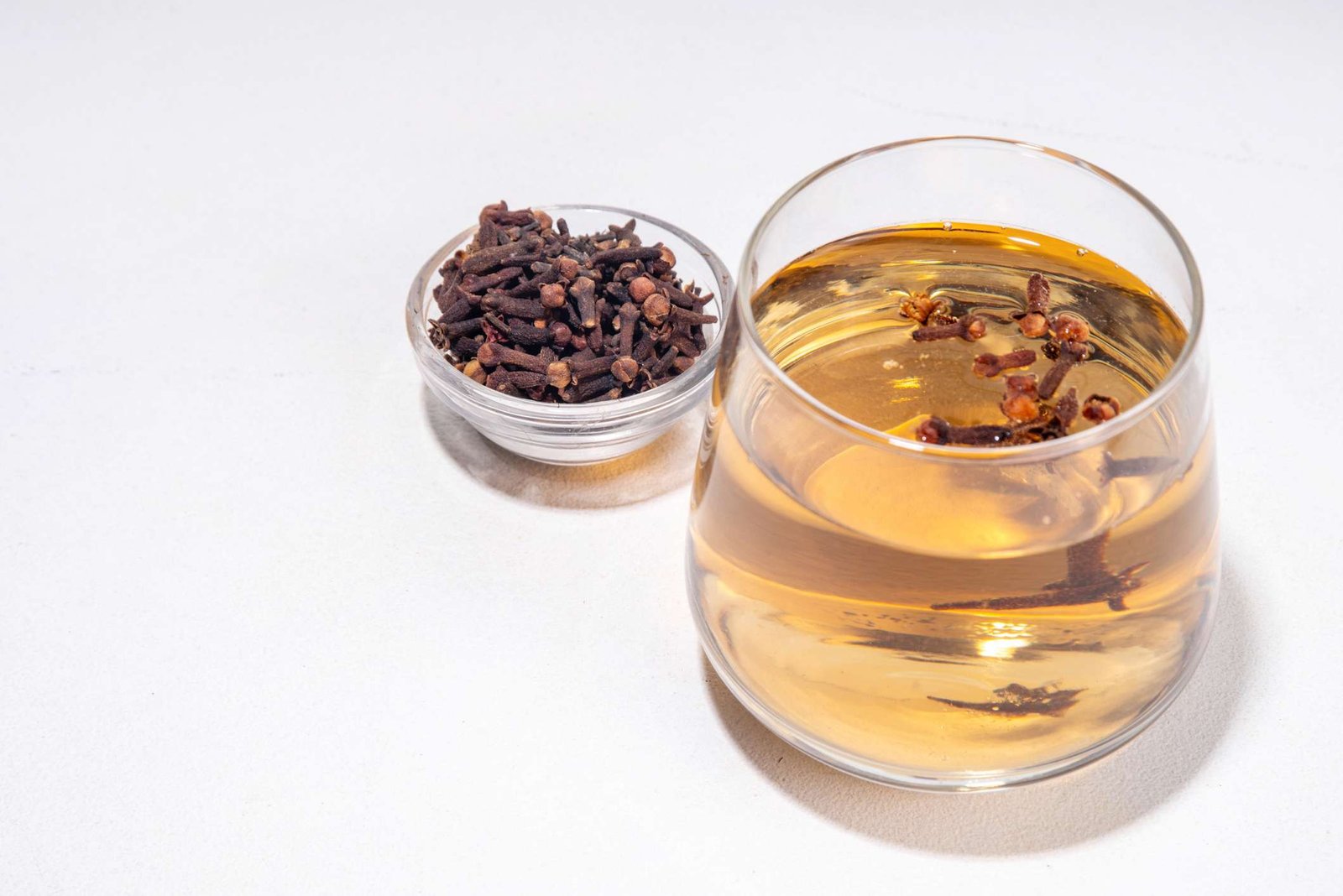
Clove water is a homemade drink that’s promoted for supporting digestion, blood sugar regulation, and immune health. But does science actually support these claims? Here’s what you need to know about clove water, including its potential health benefits.
Clove water is a drink made by soaking or simmering whole cloves in water. Cloves are the dried flower buds of the clove tree (Syzygium aromaticum), which is native to Indonesia. Cloves have a sweet flavor with a subtle bitterness and a strong, aromatic scent. They’re widely used in cooking and baking and have also played a role in traditional medicine systems, including Ayurveda and Traditional Chinese Medicine, since ancient times.
In addition to their warming flavor, cloves offer health benefits due to their high levels of protective plant compounds with antioxidant and anti-inflammatory properties.
While research shows that cloves and clove extract offer health benefits, there is no research on the effects of clove water, and it may not offer the same benefits as ingesting concentrated clove products, such as ground cloves or clove extract.
1. May Support Digestive Health
Water plays an essential role in digestion. It helps move food through the intestines, supports the breakdown and absorption of nutrients, and keeps bowel movements regular and comfortable.
When you’re dehydrated, digestive issues like constipation are more likely to develop or worsen, which is why staying hydrated is so important. Drinking clove water can help you meet your daily fluid intake goals.
While cloves have traditionally been used to relieve digestive issues such as gas, bloating, and diarrhea, there’s no evidence that clove-infused water provides these same benefits.
2. Provides Antioxidant Compounds
Cloves are rich in antioxidants, including sesquiterpenes, monoterpenes, and phenolic compounds.
Cloves are especially high in eugenol, a phenolic compound that has powerful cellular-protective and antioxidant properties.
A 2021 study that compared the antioxidant capacity of 12 commonly used spices found that cloves had the highest free radical–scavenging activity, meaning it was the most effective at neutralizing unstable molecules that can damage cells and contribute to inflammation and chronic disease.
While clove water likely contains small amounts of these compounds, it’s unlikely to provide the same levels as whole cloves or concentrated clove extracts.
3. May Support Blood Sugar Balance
Some research suggests that concentrated clove products may affect blood sugar regulation.
A small 2019 study that included participants with normal or prediabetic blood sugar levels found that taking 250 milligrams of clove extract daily for 30 days was associated with significant reductions in post-meal glucose levels compared to the start of the study.
However, this study used clove extract, which is much more concentrated than clove water.
4. May Have Antiviral and Antibacterial Properties
Cloves contain compounds that have antibacterial, antifungal, and antiviral properties.
Studies show that concentrated clove products, such as clove oil, may be effective against certain bacteria, yeasts, and viruses in test-tube and animal studies. Additionally, some oral care products containing cloves have been shown to have antimicrobial effects, which may support oral health.
However, these studies used concentrated clove extracts rather than clove-infused water. It’s unlikely that clove water would offer the same benefits.
There are two main ways to make clove water.
Soaking Method:
Place 4–5 whole cloves in 1 cup of water and let them soak overnight (or at least 6 hours) in a covered container. In the morning, strain out the cloves and enjoy the infused water.
Boiling Method:
- Add 1 tablespoon of whole cloves to 1 cup of water
- Let the mixture simmer on a stove top for 5-10 minutes
- Strain and drink the water hot or allow it to cool
Because cloves have a strong taste, some people add a sweetener, like honey or maple syrup, to make the drink more palatable.
Clove water is generally considered safe when consumed in small amounts, such as 1-2 cups per day. However, keep in mind that it has a strong flavor that may not appeal to everyone.
While clove water is usually safe, it’s important to avoid using concentrated clove products, like clove essential oil, unless specifically recommended and monitored by a healthcare provider. Ingesting large amounts of clove oil or high-dose clove supplements can be toxic.
Clove products may also have mild blood-thinning effects and should be avoided by those taking blood-thinning medications.
If you’re pregnant or breastfeeding, it’s best to consult your doctor before using clove products or drinking large amounts of clove water.
Clove water is very low in calories since it’s just water infused with cloves. However, adding sweeteners like honey or maple syrup will increase the calorie and sugar content of your drink.
Whole cloves contain small amounts of nutrients, such as manganese, but clove water doesn’t provide significant levels of any vitamins or minerals.
