

Multivitamins usually feature a long list of vitamins and minerals that can help close nutritional gaps in your diet. However, eating certain nutrient-rich foods can lead to similar outcomes—plus, the vitamins and minerals in these whole foods work together with fats, protein, and other compounds to further boost your health.
Radhen Swandaru Geni, 500px / Getty Images
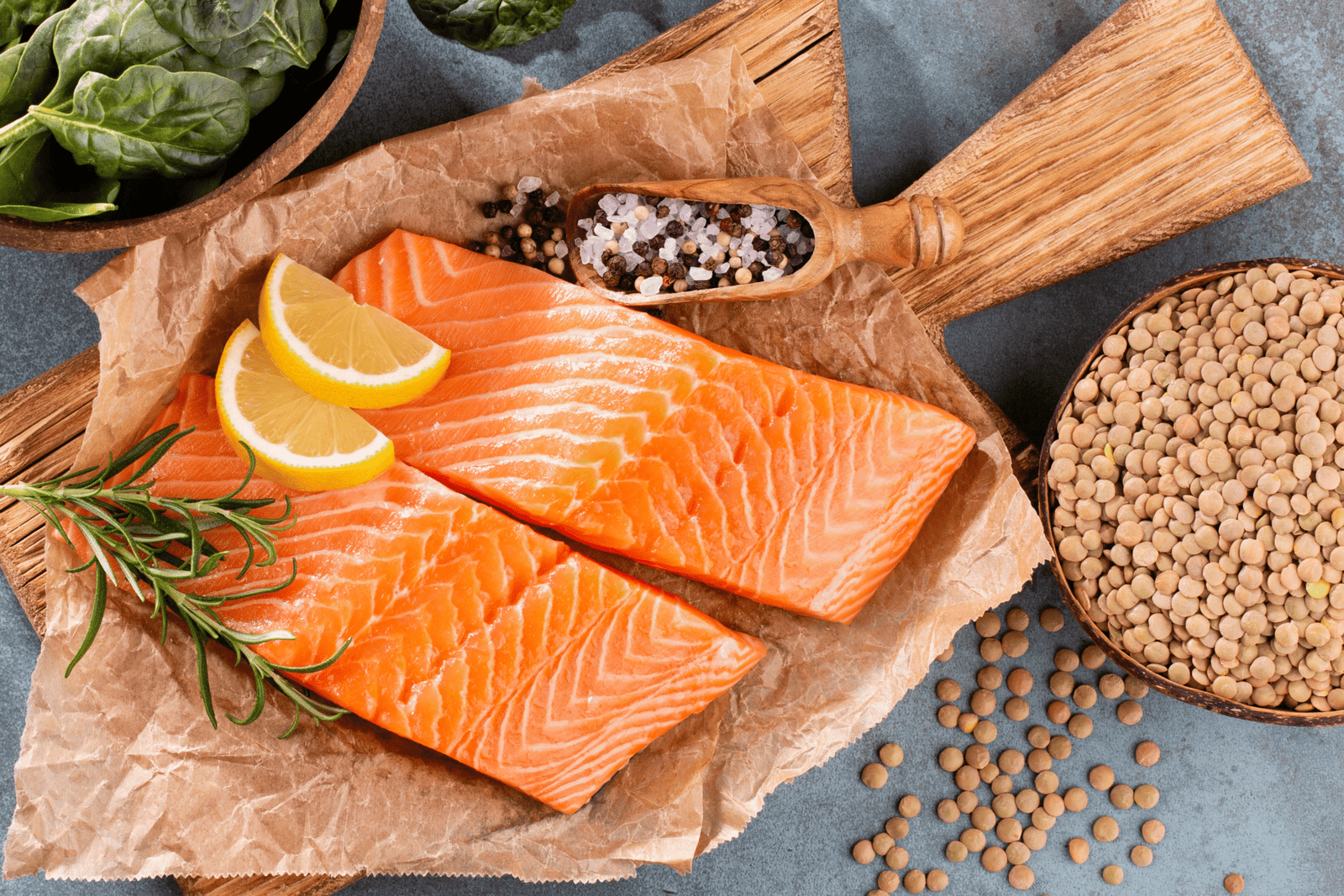
Notable nutrients in 3 ounces of farmed Atlantic salmon include:
- Vitamin D: 375 IU (47% of the Daily Value)
- Omega-3 fatty acids: 0.733 grams of eicosapentaenoic acid (EPA) and 0.935 grams of docosahexaenoic acid (DHA)
- Vitamin B12: 2.74 micrograms (114% of the Daily Value)
Salmon offers a combination of essential micronutrients, including vitamin D, vitamin B12, selenium, and potassium. It’s also one of the best dietary sources of EPA and DHA omega-3 fatty acids, which support heart, brain, and metabolic health.
You can get many of these micronutrients in multivitamins. However, salmon is a particularly good way to increase your vitamin D intake. A single serving can provide more than half of the recommended Daily Value (DV) for adults. Plus, vitamin D is a fat-soluble vitamin, which means that it should be taken with dietary fats for optimal absorption. The omega-3 fatty acids in salmon not only provide their own health benefits, but also help the body absorb and use vitamin D more effectively.
Insan Kamil / Getty Images
Notable nutrients found in one large egg include:
- Choline: 169 milligrams (31% DV)
- Vitamin A: 91 micrograms RAE (10% DV)
Eggs contain vitamins A, D, and B12, along with choline, selenium, and iodine. They also provide high-quality, complete protein that supports muscle maintenance and helps you feel more full.
Though eggs contain smaller amounts of micronutrients than many multivitamins, they do have a couple distinct advantages. Choline—an essential nutrient that supports brain function, liver health, and cell signaling—can be found in eggs, but is often missing in many multivitamins. In addition, the fat naturally present in egg yolks helps improve the absorption of vitamins A and D.
dutourdumonde / Getty Images
Notable nutrients found in one drained can of sardines include:
- Calcium: 351 milligrams (27% DV)
- Selenium: 48.5 micrograms (88% DV)
- Vitamin D: 178 IU (22% DV)
- Vitamin B12: 8.2 micrograms (342% DV)
Sardines are a nutrient-dense, non-dairy source of calcium, and they provide vitamin D, vitamin B12, selenium, and phosphorus. These oily fish are also a great way to boost your intake of protein and omega-3 fatty acids.
When you eat sardines with bones, you’re gaining a unique combination of calcium, vitamin D, magnesium, and phosphorus, which is not found in most standard multivitamins. These nutrients work together to support bone health.
jirkaejc / Getty Images
Notable nutrients in one large sweet potato, baked with the skin on, include:
- Beta carotene: 20,700 micrograms
- Potassium: 855 milligrams (18% DV)
- Fiber: 5.94 grams
- Vitamin C: 35 milligrams (39% DV)
Sweet potatoes provide vitamin C, potassium, and vitamin B6, but they’re best known for their beta-carotene content. Your body converts beta-carotene into vitamin A as needed, so this powerful plant compound can indirectly support vision, skin health, and immune function. Studies also suggest that beta-carotene acts as an antioxidant, helping protect cells from damage.
While multivitamins usually contain little to no potassium, sweet potatoes are a great source of the blood pressure-regulating mineral. Plus, the fiber in sweet potatoes could help support digestion and blood sugar control.
AtlasStudio / Getty Images
Notable nutrients found in 1 cup of cooked lentils include:
- Iron: 6.6 milligrams (37% DV)
- Folate: 358 micrograms (89% DV)
- Fiber: 15.6 grams
- Zinc: 2.5 milligrams (23% DV)
Eating lentils can help make a significant dent in your daily iron needs—one cup contains 83% of the daily recommended amount for adult men and women over 50, and 37% for women under 50. Importantly, the iron found in lentils isn’t absorbed well by the body, so it’s best to pair your lentils with vitamin C-rich foods (like tomatoes or citrus), which help alleviate the issue.
In addition to their micronutrient content, lentils are also a great source of both protein and fiber, which you can’t get in multivitamins. Together, lentils’ protein and fiber can help you feel full and support healthy blood sugar levels.
Kristina Maksymova / Getty Images
Notable nutrients in 1 cup of plain, low-fat yogurt:
- Calcium: 448 milligrams (34% DV)
- Protein: 13 grams
- Vitamin B12: 1.37 micrograms (57% DV)
Yogurt is a great source of calcium, potassium, vitamin B12, and vitamin D (when fortified).
You can find vitamin B12 in most multivitamins. But a serving of yogurt is another good way to get closer to your daily intake goal, especially for those who consume limited amounts of meat, fish, or eggs. Vitamin B12 is essential for red blood cell formation, neurological function, and DNA synthesis, and adequate vitamin B12 intake becomes even more important as people age and absorption naturally drops.
Another benefit of yogurt is that it contains probiotics, or microorganisms that encourage good bacteria to grow in your gut. This supports digestive health and immune function.
alvarez / Getty Images
Notable nutrients in 1 cup of boiled, chopped Swiss chard:
- Magnesium: 150 milligrams (36% DV)
- Vitamin A: 536 micrograms RAE (60% DV)
- Vitamin K: 572 micrograms (477% DV)
Swiss chard is a leafy green vegetable that provides magnesium, vitamins A and K, and smaller amounts of vitamin C, potassium, and iron. Magnesium is involved in hundreds of biochemical reactions, including muscle and nerve function and blood sugar regulation, while vitamin K supports bone health and normal blood clotting.
Similar to other colorful vegetables (and unlike multivitamins), these nutrients are delivered alongside fiber and plant compounds that provide antioxidant and anti-inflammatory benefits.
About one-third of adults take a multivitamin, but whether you really need one depends on your diet, life stage, and overall health. Always check in with a healthcare professional before starting a new supplement, and consider the following:
- Multivitamins may help fill nutrient gaps during pregnancy, while following a restrictive diet, or if you have a diagnosed deficiency.
- Supplemental vitamins are most beneficial when used to support your diet and not as a replacement for food.
- High-dose multivitamins can raise the risk of side effects and aren’t necessarily better than smaller, targeted supplements designed to complement your diet.
