

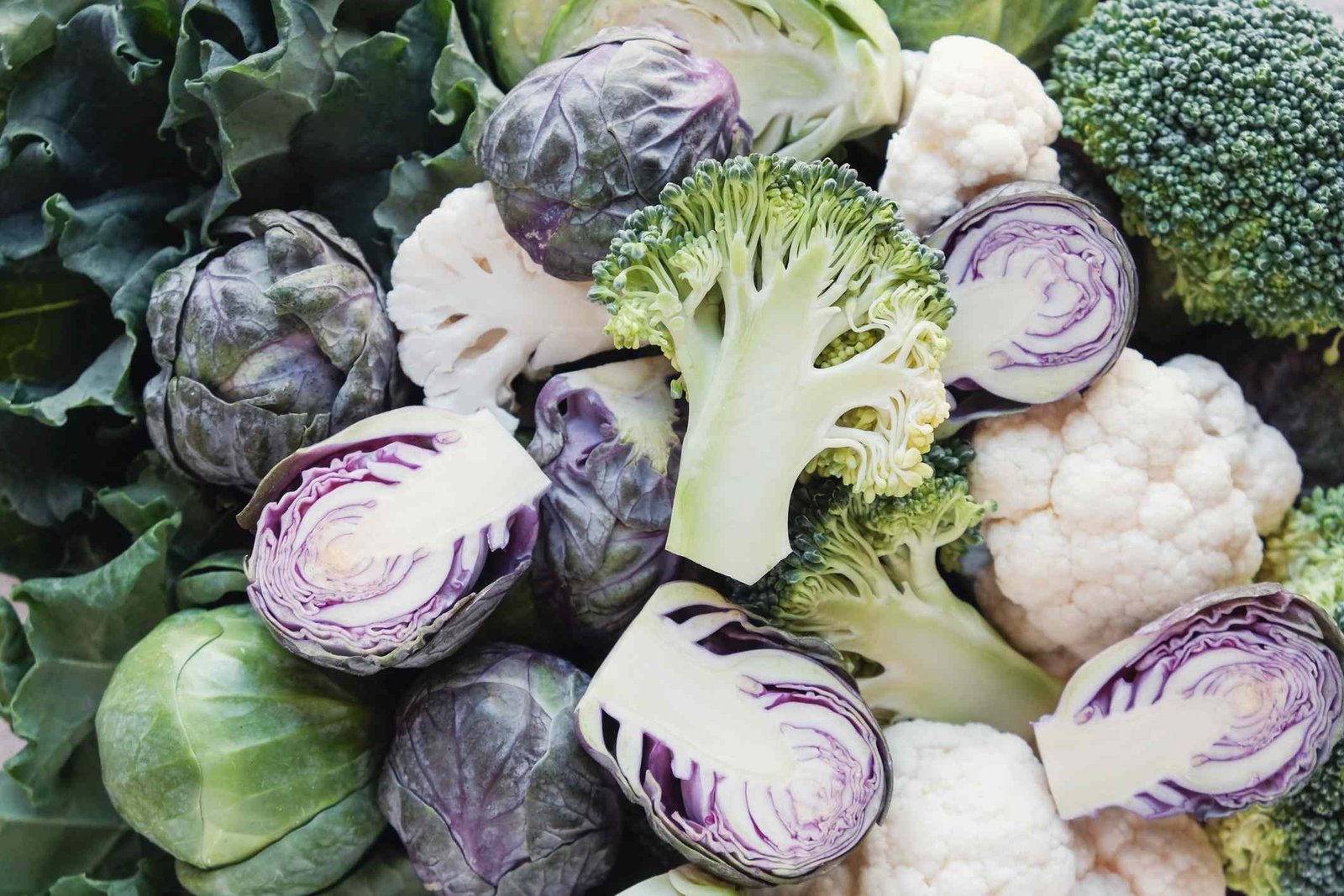
Colon cancer is the third most common cancer in the U.S. Diet plays a big role in colon cancer prevention, and regularly choosing certain foods, like cruciferous vegetables, may help lower your risk. Cruciferous vegetables like broccoli and kale contain powerful plant compounds and other nutrients that help reduce inflammation and protect against cellular damage associated with cancer development.
Diana Craciun / Getty Images
Broccoli is a cruciferous vegetable that’s high in sulfur-containing compounds called glucosinolates. Your body converts these compounds into isothiocyanates, which have powerful antioxidant and anti-inflammatory effects.
A 2025 review of 17 studies found that people who ate the most cruciferous vegetables, including broccoli, had a 17% lower risk of colon cancer than those who ate the least. Researchers showed the strongest protective effect with servings between 20-40 grams (a quarter cup to a half-cup) of cruciferous vegetables per day.
Broccoli also provides nutrients linked with a lower risk of colon cancer, like fiber and vitamin C. Just one cup of raw broccoli packs 90% of your daily needs for vitamin C, a nutrient with powerful anticancer properties.
fcafotodigital / Getty Images
Cauliflower may help reduce colon cancer risk due to its high levels of cancer-fighting compounds, including glucosinolates, flavonoids, and phenolic acids.
Although regularly eating cruciferous vegetables in general has been linked to a lower risk of colon cancer, broccoli, cauliflower, and cabbage appear to be especially protective.
Cauliflower is also rich in fiber, vitamin C, and folate, all of which play important roles in cancer prevention. For example, one cup of cauliflower covers 15% of the Daily Value (DV) for folate. Studies show that higher dietary folate intake may reduce the risk of colon cancer.
Manu Vega / Getty Images
Cabbage provides a number of plant compounds and nutrients that can protect against many types of cancer, including colon cancer. Cabbage is high in glucosinolates and vitamin C, which may protect against cancer.
Red cabbage also contains anthocyanins, plant pigments with significant cancer-fighting and anti-inflammatory activity.
A 2012 review found that people who ate the most cabbage had about a 24% lower risk of colorectal cancer compared to those who ate the least.
HUIZENG HU / Getty Images
Kale is a dark leafy green that’s part of the cruciferous vegetable family. Studies show that eating more green leafy vegetables can lower markers associated with colon cancer, like fecal 8OHdG, a marker used to detect DNA damage in the colon, in people at an increased risk for colon cancer.
Plus, studies show that diets high in cruciferous and green leafy vegetables are effective at lowering the risk of colon cancer.
Kale is rich in glucosinolates, fiber, and carotenoid antioxidants, such as beta-carotene, lutein, and zeaxanthin, which have powerful cellular-protective and anti-inflammatory properties.
Gerd Harder / Getty Images
In addition to containing glucosinolates rutabagas are packed with fiber and vitamin C. A cup of mashed rutabaga covers over 15% of the DV for fiber and 50% of your daily needs for vitamin C.
Consuming fiber-rich foods is one of the best ways to lower your risk of colon cancer, as fiber promotes overall gut health, increases the production of protective compounds like short-chain fatty acids, and limits the time cancer-causing compounds are exposed to the gut lining.
Higher vitamin C intake is also associated with a reduced risk of colon cancer.
While there’s no doubt that cruciferous vegetables are nutritious and safe to eat, some people may be sensitive to certain compounds in these vegetables.
Cruciferous vegetables like broccoli, kale, cabbage, and rutabaga contain Fermentable Oligo-, Di-, Mono-saccharides, And Polyols (FODMAPs), which are a group of carbohydrates that are poorly absorbed by the digestive system.
Eating FODMAP-containing foods, especially in large amounts, can cause digestive symptoms, like gas, diarrhea, and bloating, in some people.
Although cooking can lower their FODMAP content, it’s best to start with small amounts of cruciferous vegetables when adding them to your diet to see how well you tolerate them.
Additionally, cruciferous vegetables, like kale, contain compounds called goitrogens. These compounds may block iodine transport to the thyroid, impairing thyroid function.
While eating typical amounts of cruciferous vegetables is safe, even for people with thyroid conditions, it’s best to avoid consuming excessive amounts of goitrogen-rich foods, such as drinking large quantities of kale juice.
While there are no specific guidelines for cruciferous vegetable consumption, current dietary guidelines recommend that adults consume about 2 to 3 cups of a variety of vegetables per day, including cruciferous vegetables.
Try incorporating a mix of cruciferous vegetables into your diet by adding them to salads, side dishes, and soups.
While eating a healthy diet rich in cancer-protective foods is an important part of colon cancer prevention, it’s also crucial to get regular cancer screenings, including colonoscopies, maintain a healthy weight, avoid smoking, and follow an overall healthy lifestyle.
