

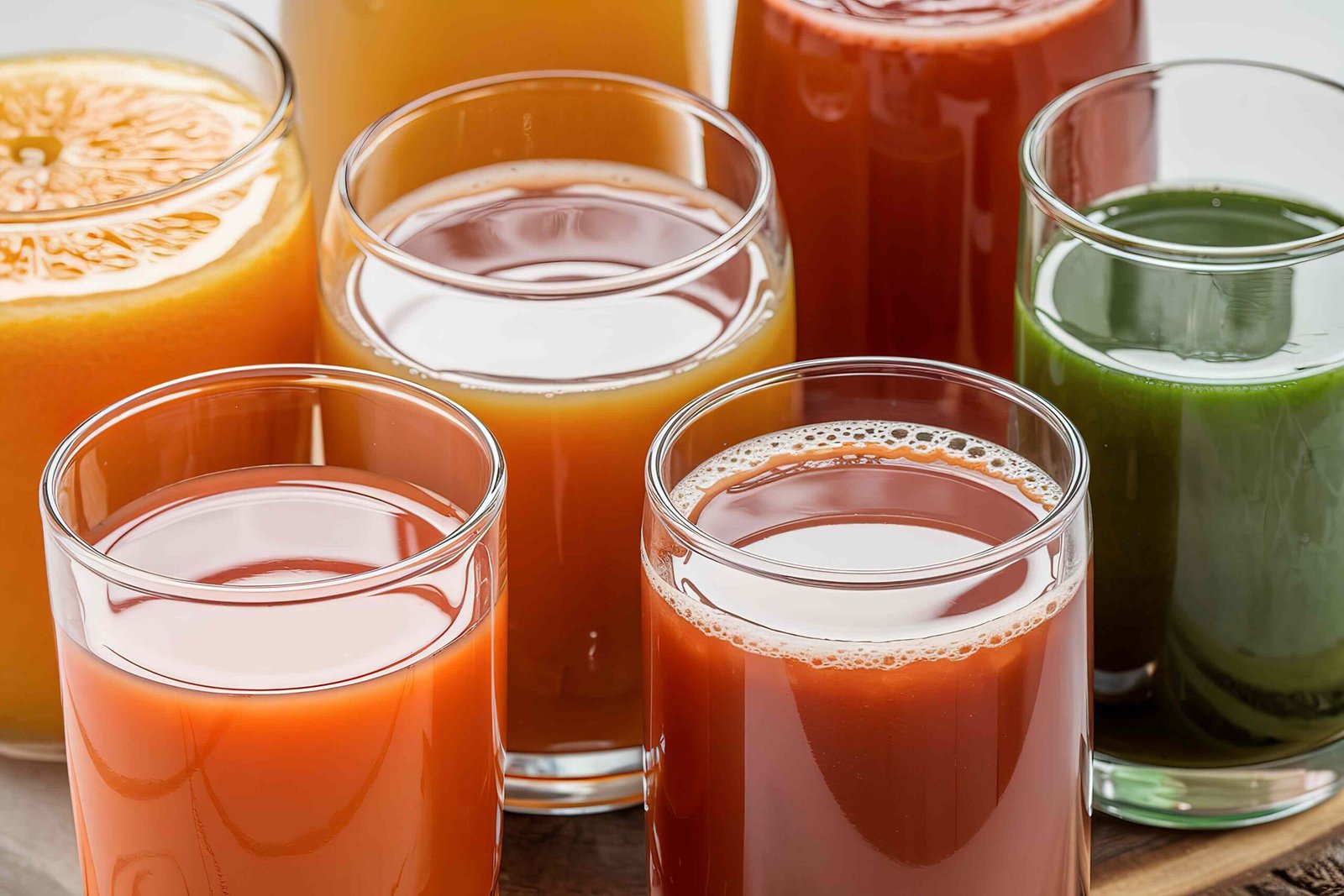
Consuming a diet rich in potassium can lower blood pressure by counteracting the water-retention effects of sodium. Drinks high in potassium include fruit and vegetable juices, milk, and coffee.
zia_shusha / Getty Images
- Potassium: 707 milligrams (mg) in 1 cup, 15% of the daily value (DV)
Prune juice is rich in potassium and several other healthy nutrients, including iron, magnesium, fiber, and antioxidants. Research shows that drinking prune juice regularly (as part of a healthy diet) may lower blood pressure. It may also reduce blood cholesterol levels.
Prune juice is also a popular home remedy for constipation. It is rich in fiber, which adds bulk to stool and helps move it through the digestive tract. It also contains polyphenols, antioxidants that support gut health.
HUIZENG HU / Getty Images
- Potassium: 689 mg in 1 cup
In addition to potassium, carrot juice is a good source of vitamins A, C, and E. These vitamins have antioxidant properties that support heart health. A 2024 study found that drinking juice rich in vitamins A and E can improve blood flow and reduce cholesterol levels. Consuming high levels of vitamin C in the diet may reduce the risk of heart disease.
Helios8 / Getty Images
- Potassium: 533 mg in 1 cup
Pomegranate juice is a tart drink with several health benefits:
jayk7 / Getty Images
- Potassium: 527 mg in 1 cup
Drinking low-sodium (unsalted) tomato juice regularly may lower blood pressure thanks to its nutrient profile. Tomato juice is rich in potassium and lycopene. Lycopene is a plant pigment with powerful antioxidant effects:
- Research shows that lycopene blocks the production of angiotensin II, a compound that constricts blood vessels and raises blood pressure.
- Lycopene also promotes the production of nitric oxide, a substance that relaxes the blood vessels and lowers blood pressure.
kazoka30 / Getty Images
- Potassium: 443 mg in 1 cup of fortified orange juice
Orange juice is a popular breakfast drink rich in antioxidants. Fortified orange juice is juice that has minerals like calcium and potassium added to it. Oranges are also naturally rich in potassium.
Orange juice contains hesperidin and narirutin, antioxidants that may lower inflammation in the body. A 2020 study found that drinking orange juice every day may lower blood pressure.
DebbiSmirnoff / Getty Images
- Potassium: 404 mg in 1 cup
Coconut water is the clear liquid found inside young (not ripened) coconuts. It is rich in several nutrients, including potassium, calcium, and magnesium. Research shows that consuming a diet rich in these minerals may regulate blood sugar levels and reduce the risk of type 2 diabetes.
Because coconut is a good source of electrolytes (charged minerals such as sodium, potassium, and calcium), it may help replenish electrolytes after a workout.
Rapeepong Puttakumwong / Getty Images
- Potassium: 390 mg in 1 cup
Milk is a good source of potassium, calcium, and protein. It also contains compounds that improve sleep.
Because disturbed sleep is a risk factor for hypertension, this may support healthy blood pressure. Milk contains tryptophan, an amino acid that helps the body produce more serotonin and melatonin. These hormones regulate sleep and can help you to feel drowsy. Consider sipping a mug of warm milk before bed if you even have trouble falling asleep.
MichikoDesign / Getty Images
- Potassium: 248 mg in 1 cup
Vegetable juice provides several vitamins and minerals, including potassium. You can purchase vegetable juice at the grocery store or a health food store. You can also make your own at home with a juicer. It is best to choose low-sodium or unsalted varieties if you have blood pressure concerns.
Drinking juice from green vegetables may reduce inflammation in the body. This can reduce the risk of several chronic health conditions, including heart disease and hypertension.
Eko Prasetyo / Getty Images
- Potassium: 124 mg in 1 cup
Coffee is a good source of potassium and antioxidants. While many people drink it for its energy-promoting effects, coffee may also boost brain health. Research shows that drinking coffee can improve concentration and may even have protective effects against dementia. People who drink coffee regularly may be at a reduced risk of dementia and stroke.
While fruit and vegetable juices can provide potassium in your diet, whole fruits and vegetables can offer a larger dose. To add more potassium to your diet, focus on the following foods:
- Fruits: Prunes, apricots, cantaloupe, kiwifruit, and guava
- Vegetables: Spinach, potatoes, acorn squash, beet greens, Swiss chard, and water chestnuts
- Dairy products: Yogurt, kefir, and milk
- Animal proteins: Bison, goat, catfish, clams, herring, and rainbow trout
Use caution when adding potassium to your diet if you have a history of kidney disease. Excessive dietary potassium can accumulate in the kidneys, reducing their function. Talk with your healthcare provider if you have questions.
