

You don’t have to give up heart-healthy foods to get enough protein. The Mediterranean diet can easily meet your protein needs, often with extra benefits for your heart. Foods like salmon, lentils, and Greek yogurt are rich in protein and easily fit into the Mediterranean diet pattern.
SimpleImages / Getty Images
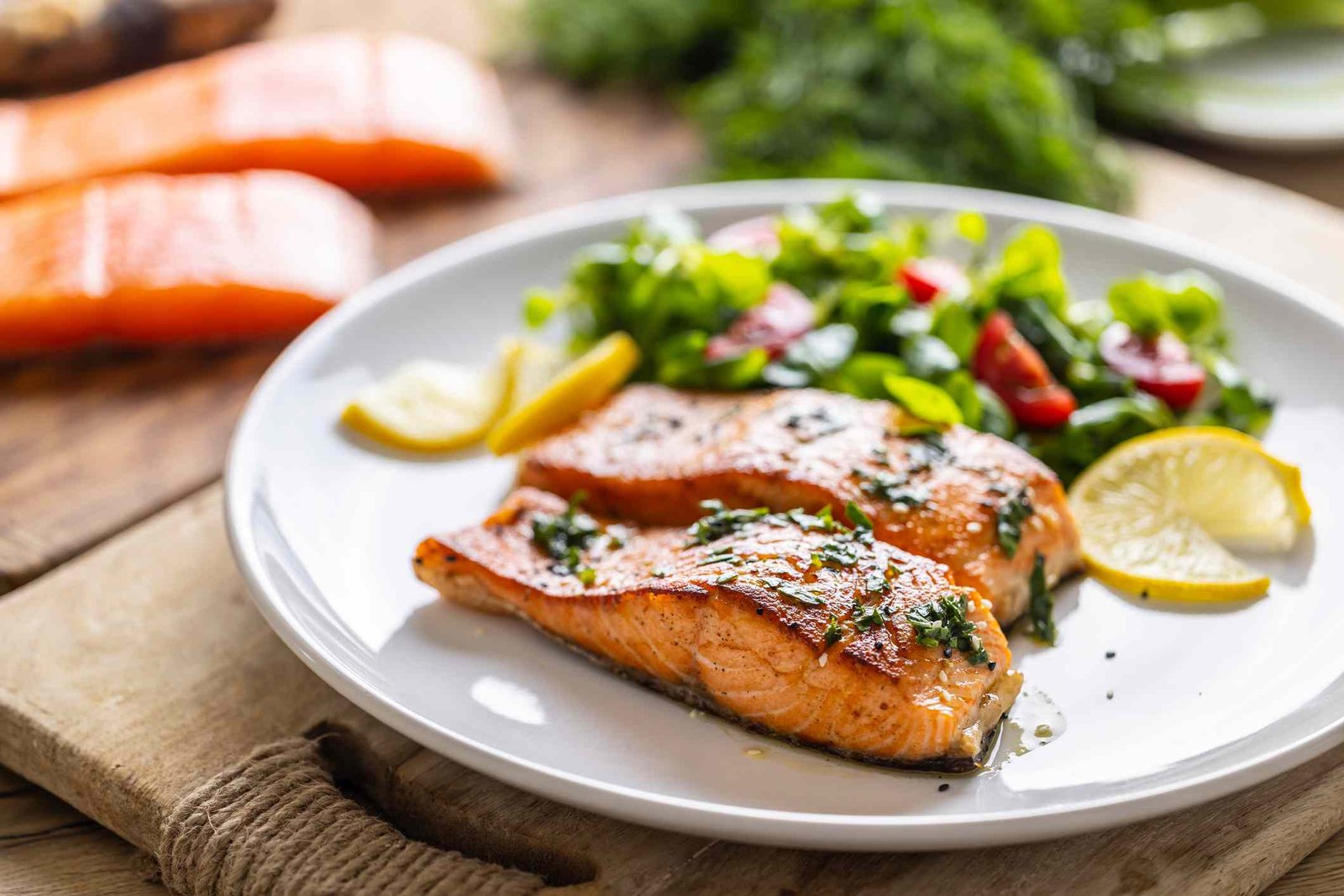
Total protein: 23 grams per 3-ounce serving of salmon, 16 grams per 3-ounce serving of tuna, and 23 grams of protein in one can of sardines.
Fatty fish are integral to the Mediterranean diet. In addition to protein, they provide omega-3 fats, which support healthy inflammation levels. Studies show that people who eat fish regularly tend to have a lower risk of cardiovascular disease. Current guidelines recommend eating fish at least two times a week to see the benefits.
alvarez / Getty Images
Total protein: 18 grams in 6 ounces of non-fat Greek yogurt.
Greek yogurt is thicker and higher in protein than regular yogurt. It also provides calcium and probiotics for bone and gut health. Choose plain versions to skip added sugar and use
fruit for natural sweetness.
SimpleImages / Getty Images
Total protein: 18 grams in 1 cup of cooked lentils.
Lentils are a plant-based protein staple in Mediterranean cooking. They also contain 16 grams of fiber, which supports digestion, healthy cholesterol levels, and satiety.
SimpleImages / Getty Images
Total protein: 9 grams in ½ cup cooked chickpeas.
Chickpeas (also called garbanzo beans) are used in dishes like hummus and salads. They have a nutty taste and contain 8 grams of fiber, along with important minerals like potassium.
Potassium helps balance sodium in the body and supports healthy blood pressure. Research has found that higher potassium intake is linked to a lower risk of stroke and heart disease.
Cris Cantón / Getty Images
Total protein: 9 grams in ½ cup cooked black beans, 10 grams in ½ cup cooked
kidney beans, and 9 grams in ½ cup cooked cannellini beans.
Beans are filling and an affordable source of plant-based protein. Diets high in legumes are also linked to a lower risk of heart disease and improved cholesterol levels, likely due to their high fiber and antioxidant content.
SimpleImages / Getty Images
Total protein: 6 grams in one egg.
Eggs are a simple, high-quality protein. They also provide nutrients such as choline, which supports brain health. Research shows that choline plays an important role in memory and cognitive function.
In the Mediterranean diet pattern, eggs aren’t eaten daily, but in moderation and often
paired with vegetables, fruit, and olive oil.
HUIZENG HU / Getty Images
Total protein: 4 grams in ¼ cup walnuts, 6 grams in ¼ cup almonds, and 6 grams in ¼ cup pistachios.
Nuts offer plant protein along with healthy fats. They’re ideal for snacks or sprinkled on salads and yogurt. Studies suggest that nuts provide anti-inflammatory benefits, and people who eat nuts regularly may have a lower risk of dying from heart disease.
Tanja Ivanova / Getty Images
Total protein: 8 grams of protein in 2 tablespoons of chia seeds, 9 grams in 3 tablespoons of hemp seeds, and 9 grams of protein in ¼ cup of pumpkin seeds.
Seeds are tiny but mighty sources of protein, fiber, vitamins, minerals, and healthy fats. They also contain heart-protective plant compounds like polyphenols and phytosterols, which may help lower LDL (“bad”) cholesterol and reduce the risk of heart disease.
Try adding them to oatmeal, smoothies, or salads.
HUIZENG HU / Getty Images
Total protein: 21 grams of protein in 3 ounces of chicken.
Poultry options like chicken and turkey are lean protein options that fit the Mediterranean style. They’re typically eaten more often than red meat (usually eaten once or twice a month at most), and alternated with plant-based proteins for variety.
istetiana / Getty Images
Total protein: 18 grams of protein in 3 ounces of shrimp.
Shrimp cooks quickly and pairs well with vegetables and whole grains. It also provides selenium, a nutrient that supports thyroid function and acts as an antioxidant. Shrimp also contains astaxanthin, a natural carotenoid that gives it its pink color and may help support heart and cellular health.
Yagi Studio / Getty Images
Total protein: 22 grams of protein in ½ cup tofu, and 16 grams of protein in ½ cup tempeh.
While not traditional Mediterranean staples, tofu and tempeh fit the diet’s plant-forward focus. They’re helpful options if you eat less meat or want more variety. They also contain soy isoflavones, plant compounds linked to improved heart health and healthy cholesterol levels.
Protein is important, but it’s only one part of what makes the Mediterranean diet healthy. To get the benefits of this pattern, make sure to consider the following:
- Prioritize plants at every meal: Fill most of your plate with vegetables, fruits, whole grains, beans, nuts, and seeds.
- Use extra-virgin olive oil as your main added fat: It’s rich in heart-healthy monounsaturated fats and polyphenols.
- Limit red and processed meats: Choose fish, beans, and poultry, and keep red meat to one or two times a month.
- Enjoy meals slowly and socially: The Mediterranean lifestyle includes sharing meals with your community while listening to your body’s hunger and fullness cues.
- Choose whole foods most of the time: Minimize highly processed foods and added sugars.
