

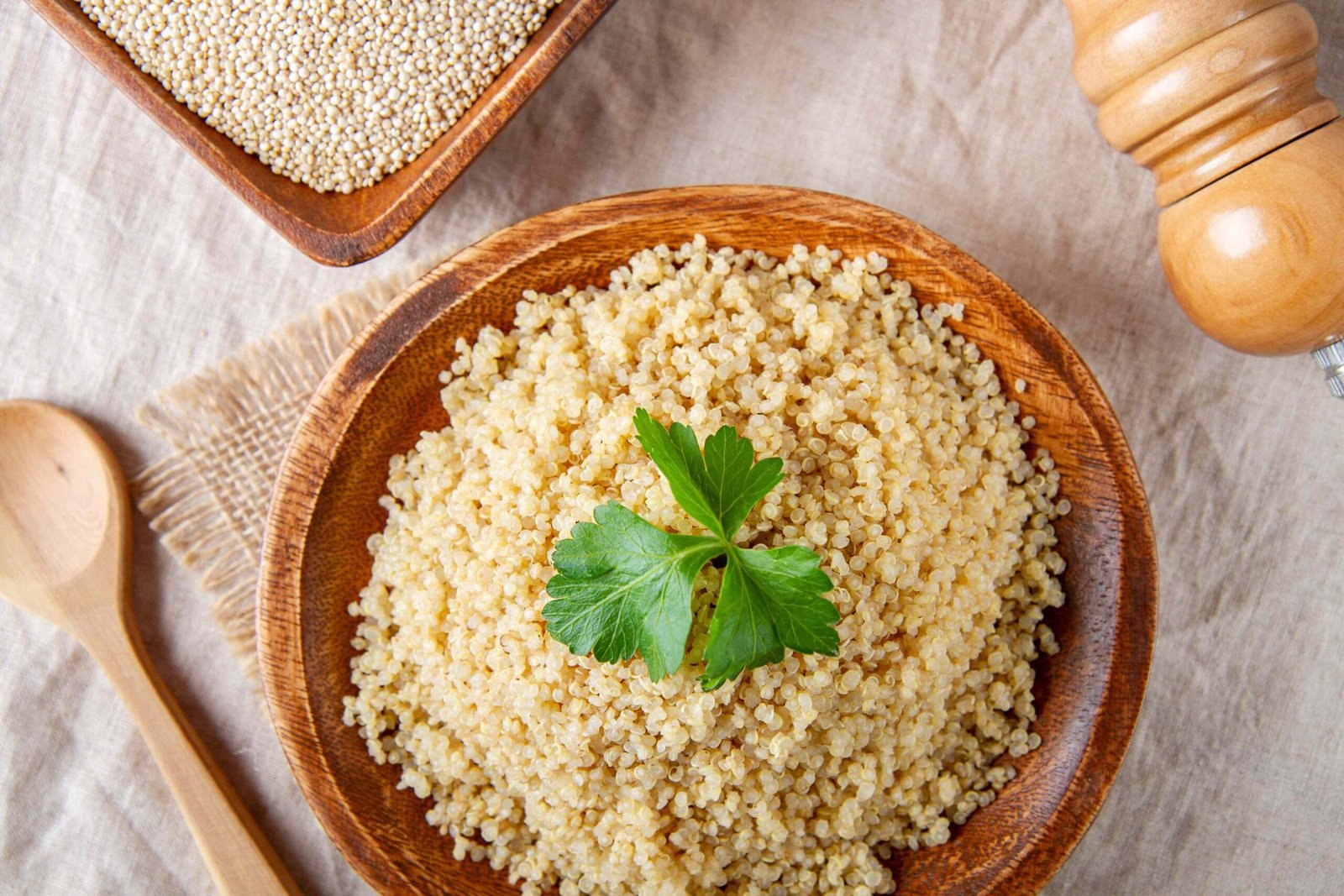
Quinoa is an edible seed and whole grain known for its health benefits, including reducing inflammation and relaxing the blood vessels. Adding quinoa to your diet may lower your risk of heart disease and high blood pressure (hypertension).
Quinoa is rich in several vitamins and minerals, including magnesium and potassium:
- Magnesium is an essential mineral that affects blood vessel and muscle contraction. It supports the relaxation of muscles and blood vessels. When blood vessels relax, the pressure inside them decreases. Magnesium may also help the heart muscle relax and beat more efficiently, lowering blood pressure.
- Potassium is another essential mineral that lowers blood pressure. Potassium and sodium affect the body’s fluid balance. When you eat a diet rich in sodium, your body retains water to dilute the sodium in the blood. This increased fluid volume raises your blood pressure. Fortunately, potassium can counteract sodium, helping your body excrete it in the urine. This prevents fluid retention and lowers blood pressure.
Quinoa is a good source of antioxidants, compounds that reduce inflammation and prevent cell damage. The antioxidants in quinoa fight oxidative stress (an imbalance between antioxidants and highly reactive free radical molecules), which causes tissue damage and raises the risk of chronic health conditions.
A 2024 review found that eating a diet rich in whole grains can reduce oxidative stress. This protects the blood vessels from damage. Damaged blood vessels do not function effectively, and this can raise the pressure inside them. Keeping your blood vessels healthy and intact reduces the risk of hypertension.
Quinoa is a heart-healthy food that lowers inflammation in the body. It contains antioxidants called polyphenols, which are linked with reduced inflammatory markers in the blood. Eating a diet rich in polyphenols can reduce the body’s inflammatory response and heal tissue damage. Polyphenols also decrease blood lipids (fats in the blood) and blood sugar levels.
Eating a diet rich in antioxidants and fiber may also reduce gut inflammation. Lower levels of inflammation promote heart health and can lower the risk of heart disease and hypertension. A 2024 review found that eating quinoa is helpful for people with chronic health conditions, including hypertension.
Adding quinoa to your diet may support a healthy weight. This seed is rich in protein and fiber, which helps you to feel full and satisfied after eating. Following a high-protein diet is a proven way to support weight loss efforts.
Eating a diet rich in fiber can regulate blood sugar and insulin levels. This can prevent blood sugar spikes and dips and help you to maintain a healthy weight. A 2023 review found that weight loss in people with overweight or obesity can significantly reduce blood pressure.
Quinoa provides carbohydrates, protein, fiber, and vitamins. One cup of cooked quinoa has:
- Calories: 222
- Protein: 8.14 grams (g)
- Carbohydrates: 39.4 g
- Sugar: 1.61 g
- Fiber: 5.18 g
- Potassium: 318 milligrams (mg)
- Magnesium: 118 mg
Here are different ways to add quinoa to your diet:
Other heart-healthy whole grains that may reduce blood pressure include:
- Oats: Oats are rich in a type of fiber called beta-glucan. This may lower cholesterol levels and decrease blood pressure.
- Brown rice: Brown rice is rich in fiber, which can support a healthy weight.
- Whole-wheat bread: Like quinoa, it is a good source of magnesium and potassium, which can help relax blood vessels.
- Buckwheat: This pseudograin contains quercetin, a plant compound that helps to lower blood pressure in people with hypertension.
