

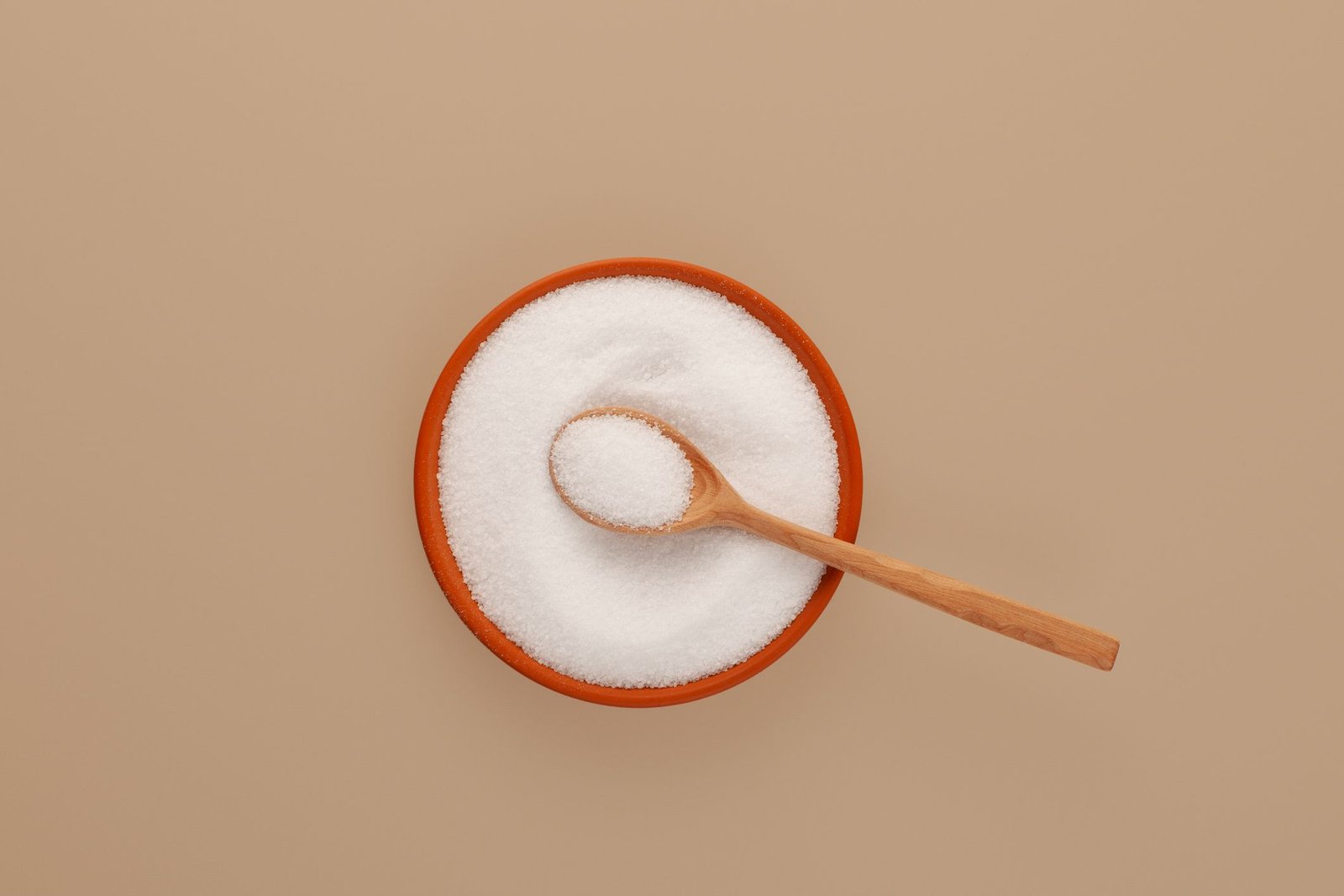
Artificial sweeteners are man-made chemical substances used to sweeten foods and drinks in place of sugar (sucrose). These sweeteners are typically low- or zero-calorie and are much sweeter than table sugar. Common FDA-approved artificial sweeteners include aspartame, saccharin, and sucralose.
Many people use artificial sweeteners to help manage their blood sugar. Since these sweeteners act differently than sugar in the body, they don’t cause the same immediate increase in blood sugar levels. This can be helpful for people with diabetes who need to limit their sugar intake.
However, a 2022 study had adults with normal blood sugar levels consume artificial sweeteners daily (within FDA-approved amounts) for two weeks. The adults who consumed saccharin or sucralose experienced impaired glucose tolerance after the two-week period. Impaired glucose tolerance is a state of higher-than-normal blood sugar levels that can indicate an increased risk of diabetes.
Another large 2022 study also found a link between the consumption of artificial sweeteners like aspartame, acesulfame-K, and sucralose and type 2 diabetes. Other research has had similar findings.
Artificial sweeteners are typically very low in calories or are zero-calorie. This makes them a popular choice for people trying to lose or maintain weight.
However, some evidence suggests regular intake of artificial sweeteners may increase your risk for weight gain and obesity.
A small 2019 study in adults with overweight or obesity found that participants who drank beverages sweetened with saccharin experienced significant weight gain over a 12-week period, comparable to those who drank beverages sweetened with regular table sugar. However, other sweeteners like aspartame and sucralose did not cause weight gain.
Some evidence also suggests that consuming artificial sweeteners could alter how your taste buds register sweetness, which may cause you to consume more sugar or calories overall.
More research is needed to fully understand the effect of artificial sweeteners on appetite and weight gain.
Digestive symptoms are a common side effect of artificial sweeteners.
Artificial sweeteners can impact incretin hormones in a way that leads to delayed stomach emptying, which can lead to abdominal pain, bloating, nausea, and vomiting. They may also cause watery bowel movements.
Fermented sugar alcohols, like erythritol, are also linked to digestive upset, such as bloating and diarrhea. Sugar alcohols can naturally occur in foods like fruit, but those that are added to foods as a sweetener are commercially manufactured using fermentation.
These side effects can be more severe for people with irritable bowel syndrome (IBS) and other digestive disorders.
In addition to temporary gastrointestinal distress, artificial sweeteners may have long-lasting effects on the gut microbiome.
A 2023 research review found mixed results on the effects of artificial sweeteners on gut health. Some studies found that daily intakes of sucralose for an extended period (over two months) significantly increased harmful gut bacteria and slightly decreased beneficial gut bacteria. However, other studies found no significant impact.
Some evidence also suggests that consuming artificial sweeteners like sucralose and saccharin can increase levels of lipopolysaccharide (LPS), a compound that can weaken the gut barrier. This effect can increase gut inflammation and lead to an overactive immune response.
Several studies have linked artificial sweetener intake with a higher risk of cardiovascular disease.
A 2020 study found a link between aspartame and an increased risk of conditions that affect blood flow to the brain, such as a stroke. The study also connected acesulfame potassium and sucralose to an increased risk of coronary heart disease, which is caused by a buildup of plaque in the arteries (blood vessels).
A 2023 study linked erythritol consumption to increased risk of major adverse cardiovascular events, which include heart attack and stroke. The findings also showed that erythritol could increase the likelihood of blood clot formation.
Other research shows that regularly having artificial sweeteners can worsen markers for cardiovascular risk, such as cholesterol and blood pressure levels.
In 2023, multiple health organizations, including the World Health Organization (WHO) and the International Agency for Research on Cancer (IARC), released findings on the potential connection between aspartame and cancer.
The reviews found that aspartame was possibly carcinogenic to humans, meaning it could cause cancer, but the evidence is limited. The groups stated it was still safe to consume up to 40 milligrams of aspartame per kilogram of body weight per day.
Other research has found mixed results on the connection between artificial sweeteners and cancer, with some studies showing an increased risk and other studies finding no correlation.
Since some sweeteners have been associated with obesity, researchers have suggested these sweeteners may also raise the risk for obesity-related cancers. Higher levels of body fat have been linked to a higher risk of cancers like breast, liver, colorectal, and thyroid cancer, among others.
While there are several risks associated with artificial sweeteners, moderate consumption is still generally recognized as safe by the FDA.
You can also consider natural sweeteners, such as:
- Monk fruit
- Stevia
- Thaumatin
- Honey
- Maple syrup
- Coconut sugar
While honey, maple syrup, and coconut sugar are natural sweeteners, they still contain calories.
If you have questions or concerns about which sweeteners are safe for you, talk to your healthcare provider.
