

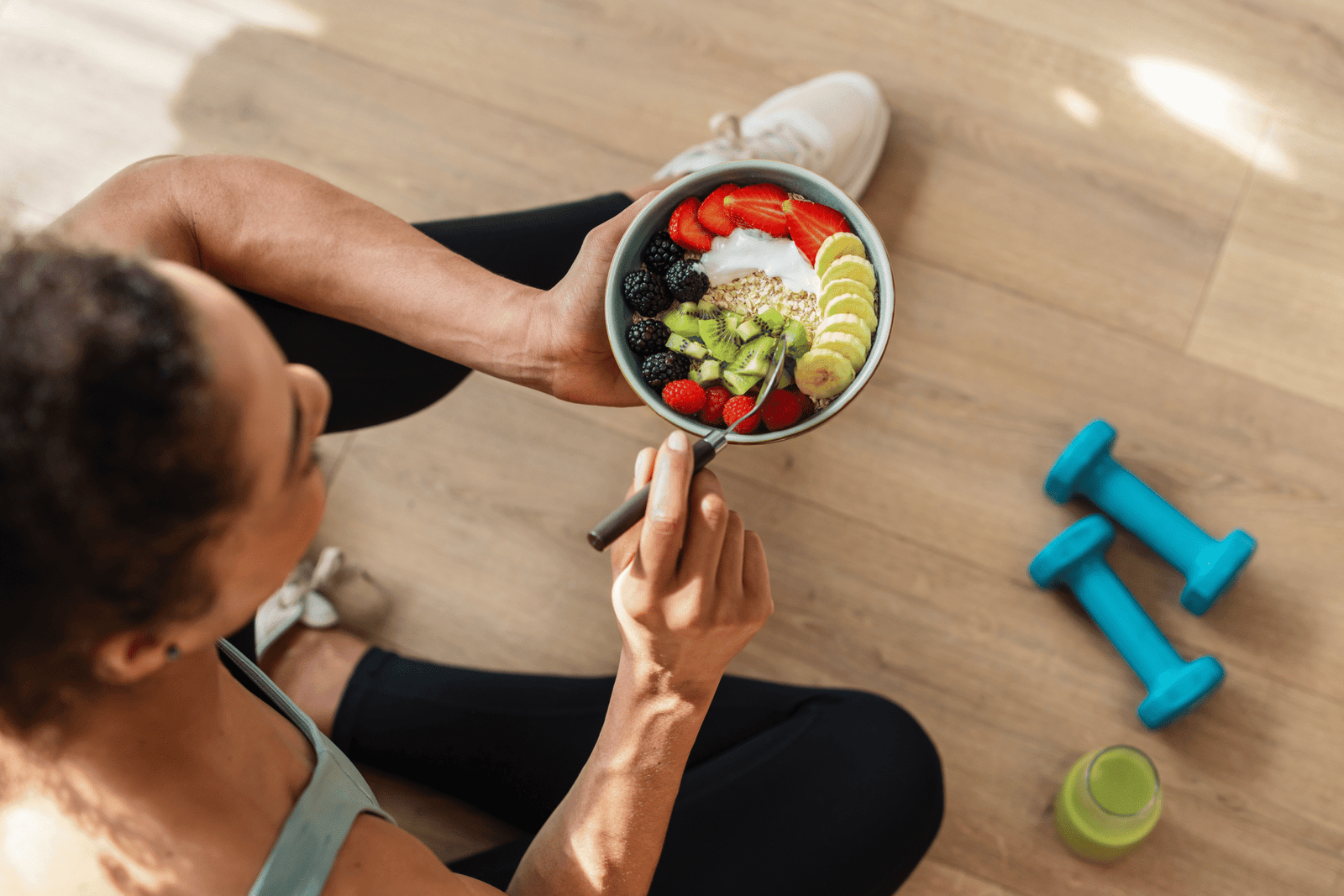
You can build muscle effectively while in a calorie deficit by maintaining protein intake and regular resistance training. Decreasing your calories too quickly can lead to muscle loss.
Experienced lifters have already adapted their bodies to resistance training, such as weightlifting. It takes them longer and more effort to see noticeable muscle gains.
Beginners generally see faster progress. Their bodies are working harder to meet the demands of a new and more challenging exercise. This may lead to faster muscle growth.
People with a higher body mass index (BMI) typically require more effort during physical activities. BMI measures a person’s weight based on their height. This increased effort can lead to greater muscle development as the body is put under a higher workload.
During a calorie deficit, it’s important to take steps to prevent muscle loss and build muscle. This includes resistance exercise and dietary changes, especially protein management.
Drastic caloric restriction can cause rapid weight loss but can also impact muscle growth. Slower weight loss may help maintain and build muscle while training.
Dietary Changes
There are many sustainable ways you can change your diet and maintain or gain muscle, including:
- Calorie management: Aim to reduce your daily calories by 250-500. This amount is considered safe and less likely to cause muscle loss or prevent muscle gains than a more extreme restriction.
- Protein intake: You may need as much as 2-3 grams of protein per kilogram of body weight daily. Beginners may see results at the lower end of that range. Experienced athletes with lean body mass may need to start at the higher end.
- Other nutritional strategies: Vitamin D, omega-3s (a type of fat) from fish oil, and leucine (a substance naturally found in foods like milk, eggs, and meat) may benefit muscle growth and function.
Physical Activity and Rest
Staying active is very important for maintaining or building muscle during a caloric deficit. Resistance training is an especially effective strategy for building muscle. While endurance exercise is beneficial, its effects on muscle growth are less certain.
Allow your body to rest and recover after exercise, especially high-intensity exercise, to preserve existing muscle and build more.
Achieving fat loss while building muscle requires strategic planning and consistency. Here are tips to help you succeed:
- Find a balance: When aiming for fat loss without sacrificing muscle, opt for a moderate calorie deficit. Pair this with resistance training to maintain strength and support muscle growth as you lose fat.
- Monitor your progress: Track your workouts, weight, measurements, and how you feel over time. If your lifts become easier or progress stalls, it may be time to increase the weight or reps, or switch up your routine.
- Increase your protein: To build muscle while in a calorie deficit, try getting about 2-3 grams of protein per kilogram of body weight daily.
- Plan your meals: Prepare meals with quality lean protein, such as chicken, tofu, or Greek yogurt. Also, try incorporating whey protein powder, complex carbs, and healthy fats.
There are many ways to build muscle while in a calorie deficit, but one day of eating could look like the following:
- Breakfast: Start the day with a shake that packs 45 grams of protein and less than 400 calories. Use a 40-gram scoop of whey protein powder, a half cup of low-fat, plain Greek yogurt, one cup of low-fat milk, and a half cup of berries.
- Lunch: Make a plate with 6 ounces of roasted skinless chicken, 1 teaspoon of olive oil, a one-half cup of cooked quinoa, and 1 cup of steamed broccoli. Top with your favorite herbs and spices. This meal offers 42 grams of protein and less than 400 calories.
- Dinner: Finish your day with 6 ounces of grilled salmon, 1 teaspoon of olive oil, a half cup of lentils, and a half cup of green beans. Add an ounce of plain, low-fat Greek yogurt and chives to boost flavor. Together, this totals to over 44 grams of protein and 372 calories.
