

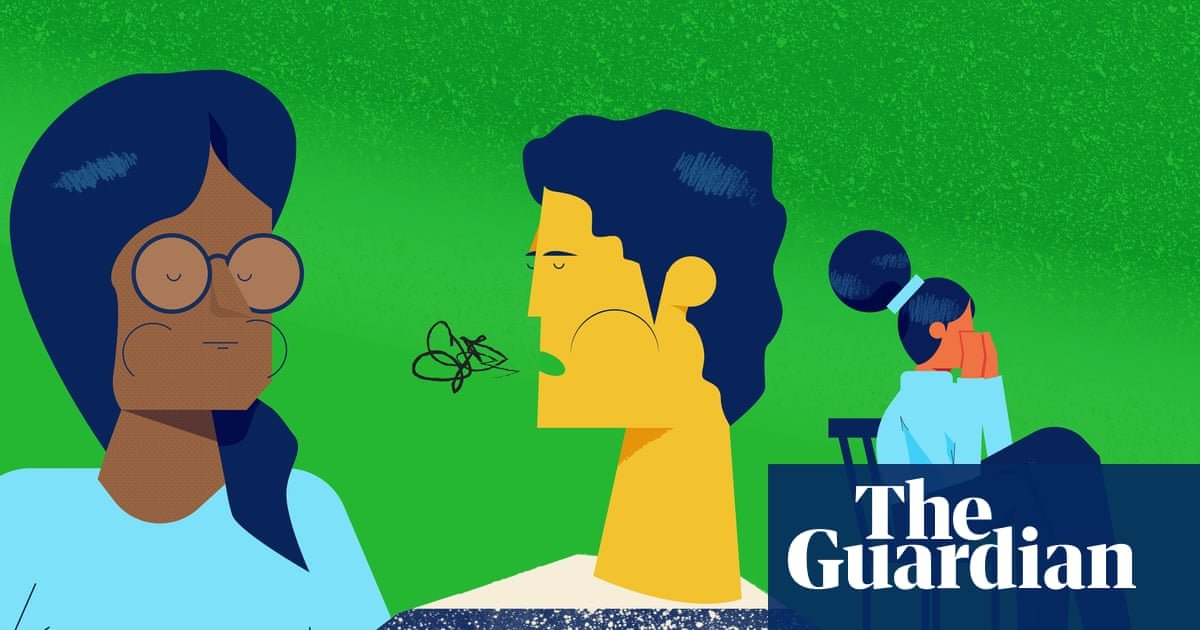
I’ve been best friends with Ellie [all names have been changed] for more than half my life. She’s truly one of the best friends I’ve ever had. I started dating Will three years ago, and we have a good relationship. Ellie was in a long-term relationship with Tim for five years, and for two of those years the four of us were a little friendship group. Six months ago, Ellie and Tim broke up, which really shook our group dynamic. Our larger, mixed-gender friendship circle has now split a bit into “boys v girls”. I still see Tim as he and Will are good friends, but it’s awkward.
The issue is that Tim has been confiding in Will about the breakup. Tim has a lot of anger towards Ellie and it’s causing Will to dislike her too. Ellie and Tim weren’t right for each other and probably should have broken up sooner. Ellie wasn’t a great girlfriend to Tim, but there was no cheating or abuse, just two people who didn’t work well together.
Now Will doesn’t want to hang out with Ellie at all and makes a fuss whenever I invite her to things. I get that he’s hearing a lot of negative stuff from Tim, but Ellie is my best friend. I love both Will and Ellie so much, but I hate that they’re against each other.
How can I mediate our friendship group so we’re not all being dragged into their breakup?
Two of the most important lessons we should learn – but tend to learn too late – are how to navigate change and the loss that comes with it, and to realise that situations, and people, are rarely all good or all bad, though it’s terribly convenient to think that way. Finding the nuance in situations takes skill and reflection.
It sounds as if Tim is dealing with his hurt by making it all Ellie’s fault, and instead of helping him through this by offering a more 360-degree perspective, Will is also making Ellie the bad guy. This is unlikely to lead to a healthy resolution and help them “move on”. When relationships break up it’s up to everyone concerned to take responsibility for their own actions.
I went to UKCP-registered psychotherapist Hazel Hyslop, who said she recognises this scenario as “very common. When this change in dynamics occurs, it doesn’t just affect you personally, but creates a seismic shift in the whole group’s relationship.”
Hyslop stressed that it’s not your responsibility to “mediate the friendship group”. But she offered a useful perspective: this may have shaken your own boyfriend more than you realise. “Is it possible Will might be scared that Ellie might influence you and you might leave him? This isn’t rational thinking, but when we are feeling let down by others we can start catastrophising.
“Perhaps you and Will have slipped on to opposing sides,” continued Hyslop. The more he defends Tim and the more you try to defend Ellie, you run the risk of losing the connection you have developed. Rather than facing inwards towards each other, and accepting that you can both exist in a relationship with different perspectives, you appear to be looking outwards with the focus on other people’s behaviour. Being allies is much better for your relationship in the long run.”
This will settle down, but in the meantime an embargo on talking about your friends while together might be an idea until emotions settle. Prioritise your relationship a bit more and, for a while, see Ellie on your own. You can’t get Will to “back down” any more than he can get you to. And it’s not your job to put forward anyone’s case.
Every week, Annalisa Barbieri addresses a personal problem sent in by a reader. If you would like advice from Annalisa, please send your problem to ask.annalisa@theguardian.com. Annalisa regrets she cannot enter into personal correspondence. Submissions are subject to our terms and conditions. The latest series of Annalisa’s podcast is available here.
Comments on this piece are pre-moderated to ensure the discussion remains on the topics raised by the article. Please be aware that there may be a short delay in comments appearing on the site.
