

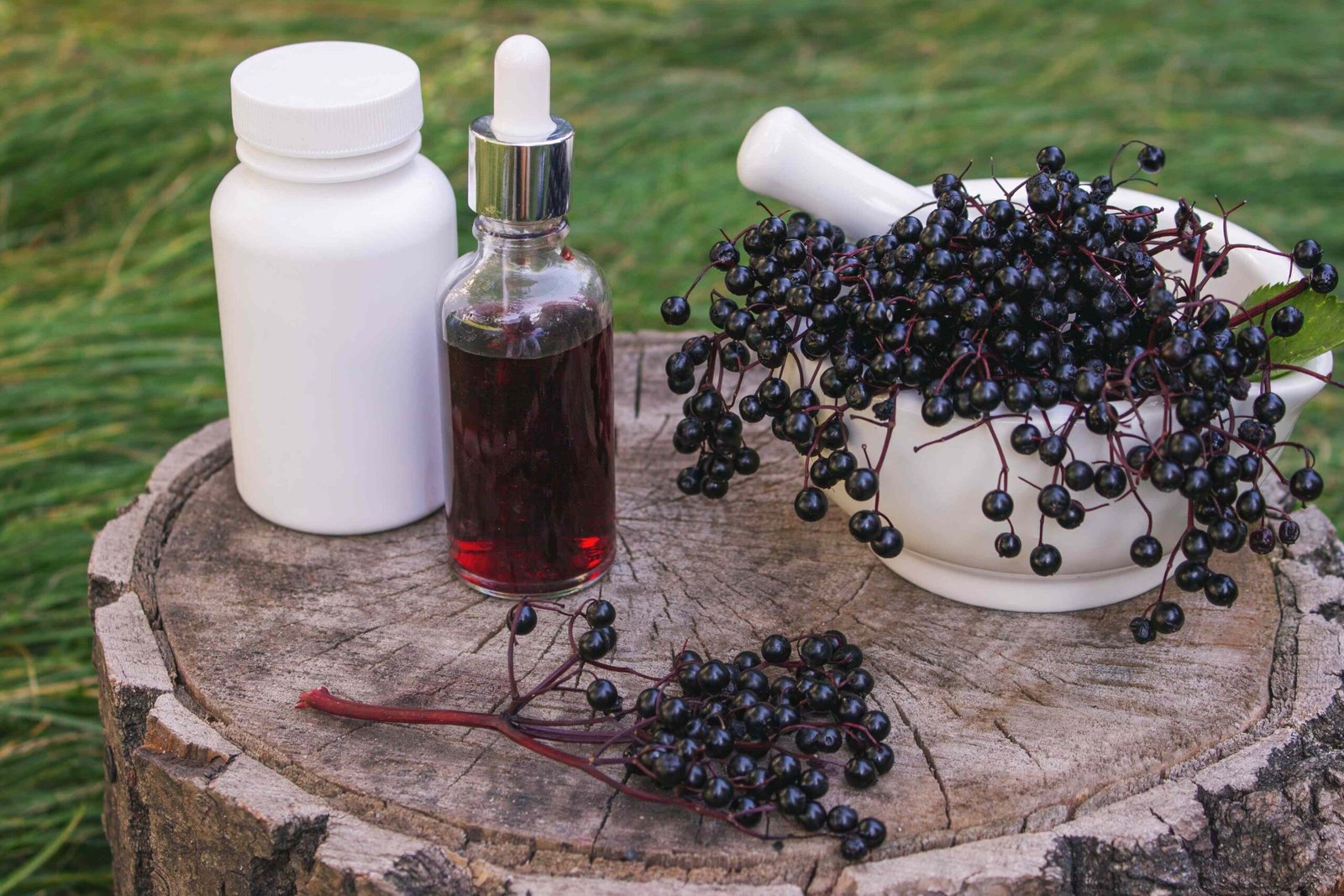
Elderberry is rich in vitamins and antioxidants that can support immune health. The best time to take elderberry depends on whether you want general immune support or need help fighting off a cold or the flu.
- Take regularly.
- Take daily at times when most at risk of illness.
For everyday immune support, regular use matters more than the time of day you take elderberry. Some studies show that elderberry has antioxidants and antiviral compounds that may stop viruses from infecting cells and spreading quickly. This could help you recover faster and have milder symptoms.
Elderberry contains flavonoids, antioxidants that help the body handle oxidative stress and support normal immune function. Because the body does not store antioxidant compounds, ongoing intake helps maintain consistent antioxidant support rather than relying on occasional doses.
People often use elderberry when they’re more likely to get sick, like during cold and flu season, before traveling, or when kids go back to school. Taking it daily for a short time during these periods may boost your immunity. Studies suggest that the antioxidants and antiviral compounds in elderberry may support the body’s natural response to infection, helping shorten the duration and reduce the severity of symptoms.
- Take the first signs of symptoms.
- Take several times a day when sick.
Elderberry works best for illness when you start taking it at the first sign of symptoms, such as sore throat, runny nose, fatigue, or body aches. While it probably won’t prevent you from getting sick, research shows that taking it early may help you feel better sooner and have milder symptoms.
When you’re sick, you might need to take elderberry more often than you would for daily support. In studies, people who took elderberry syrup several times a day felt better faster and used less over-the-counter medicines than those who took a placebo.
One study found that starting elderberry soon after symptoms began helped people recover from the common cold two days faster. In another study, people with the flu who took elderberry recovered three to four days sooner than those who did not.
Elderberry is a dark purple fruit from the black elder tree (Sambucus nigra). For centuries, people have used it in traditional remedies for respiratory infections. Today, many take elderberry tea, elderberry syrup, gummies, or capsules to support their immune system or help reduce the length and severity of common illnesses like the common cold and flu.
Elderberries have plant compounds and nutrients that support immune health, such as:
- Anthocyanins: Antioxidants that help protect cells from damage caused by infection and inflammation
- Vitamin C: Supports the production and function of immune cells and helps the body fight infections
- Vitamin A: Supports the health of airway tissues (e.g., lining of the nose and throat), which helps your body defend itself against infections
- Fiber: Supports gut health, which plays a role in immune function
Cooked or processed elderberry is usually safe for most people, but safety considerations include:
- Some may experience mild stomach issues, such as cramps, nausea, or vomiting.
- Raw elderberries have compounds that can produce cyanide and are not safe to eat. They can cause nausea, vomiting, and diarrhea. Cooked or processed elderberry products, such as syrups, gummies, lozenges, capsules, and teas, are safe to consume.
- If you are pregnant or breastfeeding, talk to your healthcare provider before using elderberry supplements, since there is little safety information about the use of elderberry when pregnant or lactating.
- If you have an autoimmune disease, check with a healthcare provider before taking elderberry. It can boost immune activity, which might worsen autoimmune symptoms.
- Elderberry may interact with some medicines, including those suppress the immune system (immunosuppressants), diabetes medicines, and some diuretics (water pills).
- Stop taking elderberry and seek medical attention if you experience signs of an allergic reaction, such as hives, itching, swelling, or trouble breathing.
