

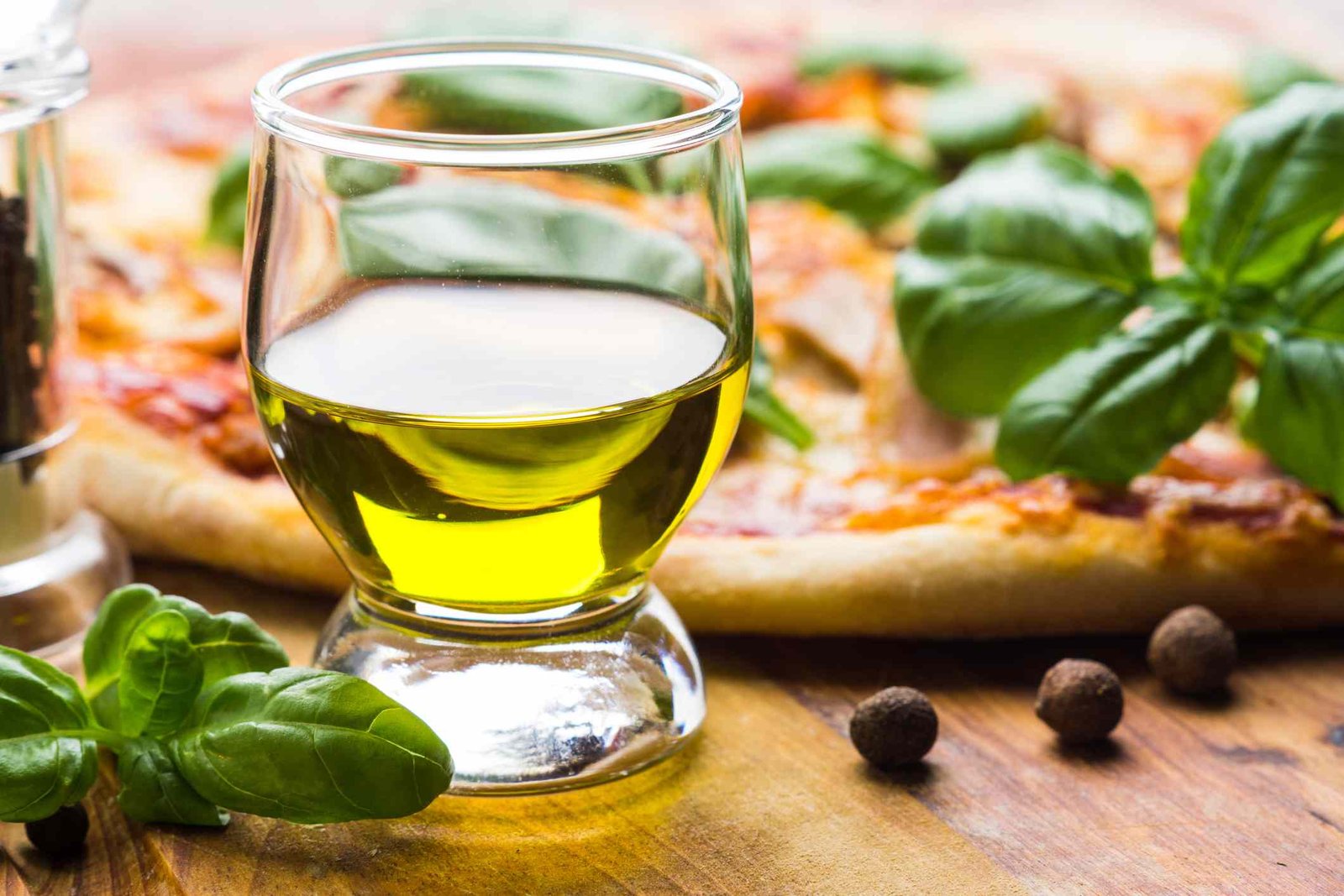
Olive oil-rich diets have been linked with longer, healthier lifespans, and regularly consuming olive oil may protect against several health conditions, including heart disease and type 2 diabetes. While research shows benefits of consuming it every day, it’s not necessary to do so in shot form, which might cause digestive discomfort or weight gain over time.
Olive oil contains a monounsaturated fat called oleic acid, which can have strong anti-inflammatory properties.
“It is also rich in polyphenols, a class of phytochemicals with antioxidant effects,” Kelly Jones, MS, RD, CSSD, board-certified sports dietitian, told Health.
These monounsaturated fats and other compounds found in olive oil, like carotenoid antioxidants, may lower heart disease risk factors, such as atherosclerosis (the buildup of plaque in your arteries).
Research shows a diet rich in olive oil may protect against type 2 diabetes.
A 2022 systematic review and meta-analysis of large prospective studies on olive oil consumption and chronic disease concluded that a 25-gram serving of olive oil per day—about 1.5 tablespoons—is associated with a 22% reduction in the risk of type 2 diabetes.
Replacing fats like butter and margarine with olive oil may help you live a longer, healthier life.
Research shows people who consume more than 30 grams of olive oil per day—approximately 2 tablespoons—have a 20% lower risk of death from all causes, a 23% lower risk of cancer-related death, and a 25% lower risk of heart disease-related death compared to people who consume 15 grams or less per day.
Olive oil intake may also enhance cognitive function and prevent cognitive decline.
Though many people claim that drinking olive oil offers unique benefits, there’s currently no research showing that drinking it on an empty stomach is better than ingesting it in more traditional ways, such as drizzled on salads. There are, however, some reasons why you may consider taking it in shot form.
The first? Unheated olive oil may be better for you than olive oil that has been heated.
“While research does not yet support the benefits of drinking olive oil straight versus including it in other ways, there can be differences in consuming fresh olive oil versus heated olive oil,” explained Jones.
Phenolic content of extra virgin olive oil can decrease by 40% at 248 degrees Fahrenheit and 75% at 338 degrees Fahrenheit with 15–60 minutes of cooking, compared to raw extra virgin olive oil.
Additionally, taking a shot of olive oil may be an easier way for some people to consume it.
“A straight shot of olive oil may be a quick and easy way to ensure adequate intake of monounsaturated fats, similar to how many people will take omega-3 supplements via straight oil or tablet rather than regularly eating fatty fish,” said Jones.
Olive oil is considered a healthy fat and is generally safe to consume, including as a shot, but there are a few potential downsides to taking olive oil shots, including:
- Digestive discomfort may occur if taken on an empty stomach.
- It is high in calories, providing 119 calories per tablespoon.
- It could cause weight gain over time.
Overall, taking olive oil as a shot instead of combining it with other healthy foods isn’t necessary.
Though there’s no official recommendation for olive oil intake, generally, health benefits with olive oil intake range from 7-50 milliliters, or half a tablespoon to 3.5 tablespoons, per day.
Fats should account for between 20-35% of your calorie intake. A one-tablespoon serving of olive oil contains 119 calories, making it a calorie-dense food. It’s best to consume a variety of fats in your diet, including oils, nuts and seeds, fatty fish, avocados, and egg yolks.
If you don’t want to take olive oil shots, there are plenty of delicious ways to incorporate olive oil into your diet, according to Jones:
- Use it in recipes, even those that don’t require cooking.
- Use it in marinades and dressings.
- Substitute it for butter on bread.
- Use it as cooking oil for low-to moderate-heat cooking.
