

As more and more people talk about their experiences, the topics of menopause and perimenopause are no longer as taboo as they once were. But while certain symptoms of menopause are well-acknowledged ― hot flashes, night sweats, irregular periods ― there is still more confusion about the signs of perimenopause and even what it is.
“Perimenopause is a natural transition in a woman’s life between her reproductive years and menopause, and the transition usually lasts for most women a period of four to nine years,” said Dr. Lara Feldman, a psychiatrist in women’s behavioral health at the Cleveland Clinic.
While it’s all part of getting older, perimenopause just doesn’t get the attention that menopause gets when it comes to seeking support from medical professionals, friends and family.
Even entire Reddit communities exist for folks in the perimenopausal transition to commiserate and ask “is this perimenopause or am I just having a bad day?” Commonly, people in these online communities complain of rage, anger or anxiety induced by perimenopause.
“About 65 to 70% of people get a thing called perimenopausal mood instability, or what we call PMI, and that’s more common than PMS [premenstrual syndrome], but people have never heard of it, right?” Dr. Karen E. Adams, a clinical professor in the department of obstetrics and gynecology at Stanford University School of Medicine in California and the director of Stanford’s menopause and healthy aging program, previously told HuffPost.
“It’s completely unpredictable because hormone cycling becomes unpredictable in perimenopause, so people wake up every day and they don’t know how they’re going to feel. They don’t know if they’re going to be irritable or angry or anxious, or if they’re going to feel normal.”
These mood changes are a natural result of the hormonal changes that happen during perimenopause, according to experts. During this time, “the ovaries produce less estrogen and progesterone as the egg supplies diminish, causing hormone levels to fluctuate wildly. And these hormonal fluctuations can cause unpredictable mood shifts for women where they’re feeling fine to suddenly feeling anxious, irritable and depressed,” Feldman said.
While the term perimenopausal mood instability, or PMI, is not recognized by all medical professionals, it describes a very real experience for many people in perimenopause. Here’s what to know about it:
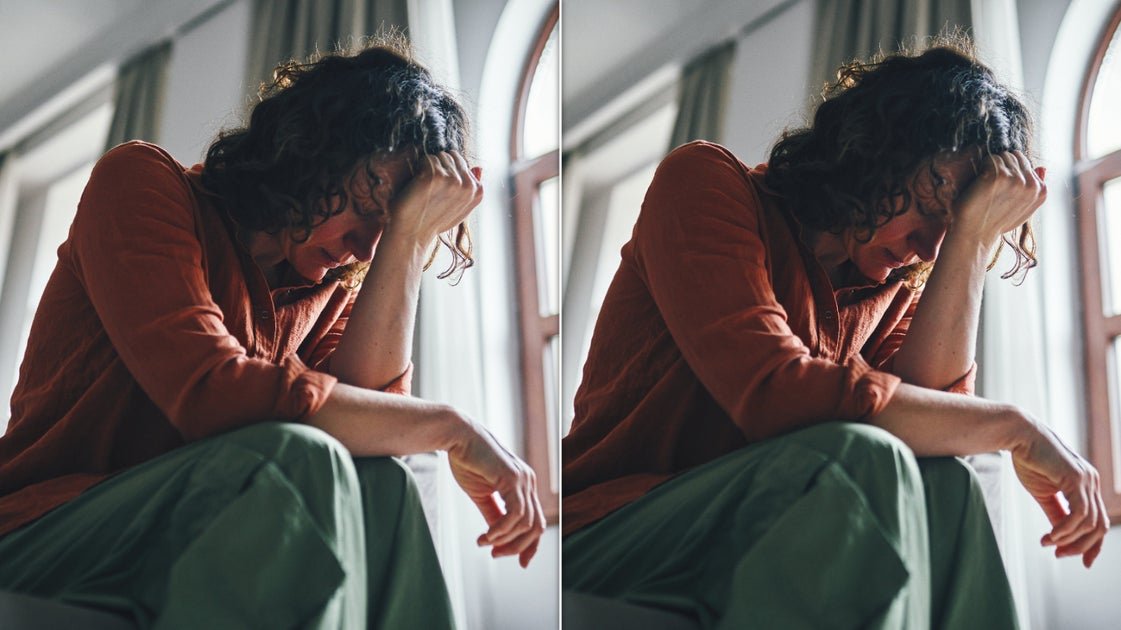
Anxiety, irritability, low mood and tearfulness are all signs of perimenopausal mood instability.
People dealing with these perimenopause-induced mood changes may notice “irritability, tearfulness, anxiety, low mood, difficulty coping with stress, and sometimes worsening premenstrual symptoms,” Dr. Lora Shahine, reproductive endocrinologist at Pacific Northwest Fertility, an Ivy Center and host of the “Brave and Curious” podcast, told HuffPost via email. “Some people describe feeling emotionally ‘on edge’ or overwhelmed in ways they have never experienced before.”
It’s also likely that these mood changes will occur alongside physical perimenopause symptoms, she said, like trouble sleeping, hot flashes, irregular periods and brain fog.
Ekaterina Goncharova via Getty Images
Mood changes during perimenopause are more common among those who have a history of mood disorders.
It’s more likely to happen to those who have a history of mood issues.
These mood changes won’t affect every person who goes through perimenopause, and while it’s hard to predict who will be affected, there are some factors that make perimenopausal mood instability more likely in some groups.
“Women who have had previous episodes of postpartum depression or anxiety are at risk for a recurrence of mood disorders during this period,” said Feldman.
The same is true for folks who had mood symptoms around menstruation, she said.
Here’s what to do if you notice feelings of anxiety, low mood or irritability as you go through perimenopause.
“First, know that you are not imagining it, and you are not alone,” Shahine said. “I encourage patients to speak with a health care professional to review symptoms, rule out other causes such as thyroid disorders or clinical depression, and discuss treatment options.”
If you have a down day here and there, but can work through it quickly and on your own, you may not need additional support. For many people in their perimenopausal years, they’re also raising kids, taking care of aging parents and going to work — feeling anxious or stressed can be part of that.
But “when mood symptoms start to affect a woman’s functioning, when she has loss of interest and pleasure in activities that she previously liked and … when women have difficulty with even suicidal thoughts, that’s when you should really seek treatment,” Feldman stressed.
Treatment and support can include a range of interventions, depending on the individual, according to Shahine, such as “lifestyle adjustments, cognitive behavioral therapy, hormone therapy or nonhormonal medications.”
“There are effective treatments available, and no one should feel they simply have to ‘push through’ this phase without support,” Shahine said. Just because perimenopause is a “normal biological transition” doesn’t mean that it’s easy to go through, Shahine said.
“Many women feel dismissed when they bring up mood changes, which can add to the emotional burden, but open conversations and evidence-based care can make a meaningful difference in quality of life,” Shahine added. “If you are experiencing mood changes that feel overwhelming or unsettling, they deserve attention and support from your health care provider.”
If your health care provider doesn’t listen, don’t be afraid to seek out a second opinion, Shahine added.
If you or someone you know needs help, call or text 988 or chat 988lifeline.org for mental health support. Additionally, you can find local mental health and crisis resources at dontcallthepolice.com. Outside of the U.S., please visit the International Association for Suicide Prevention.
