

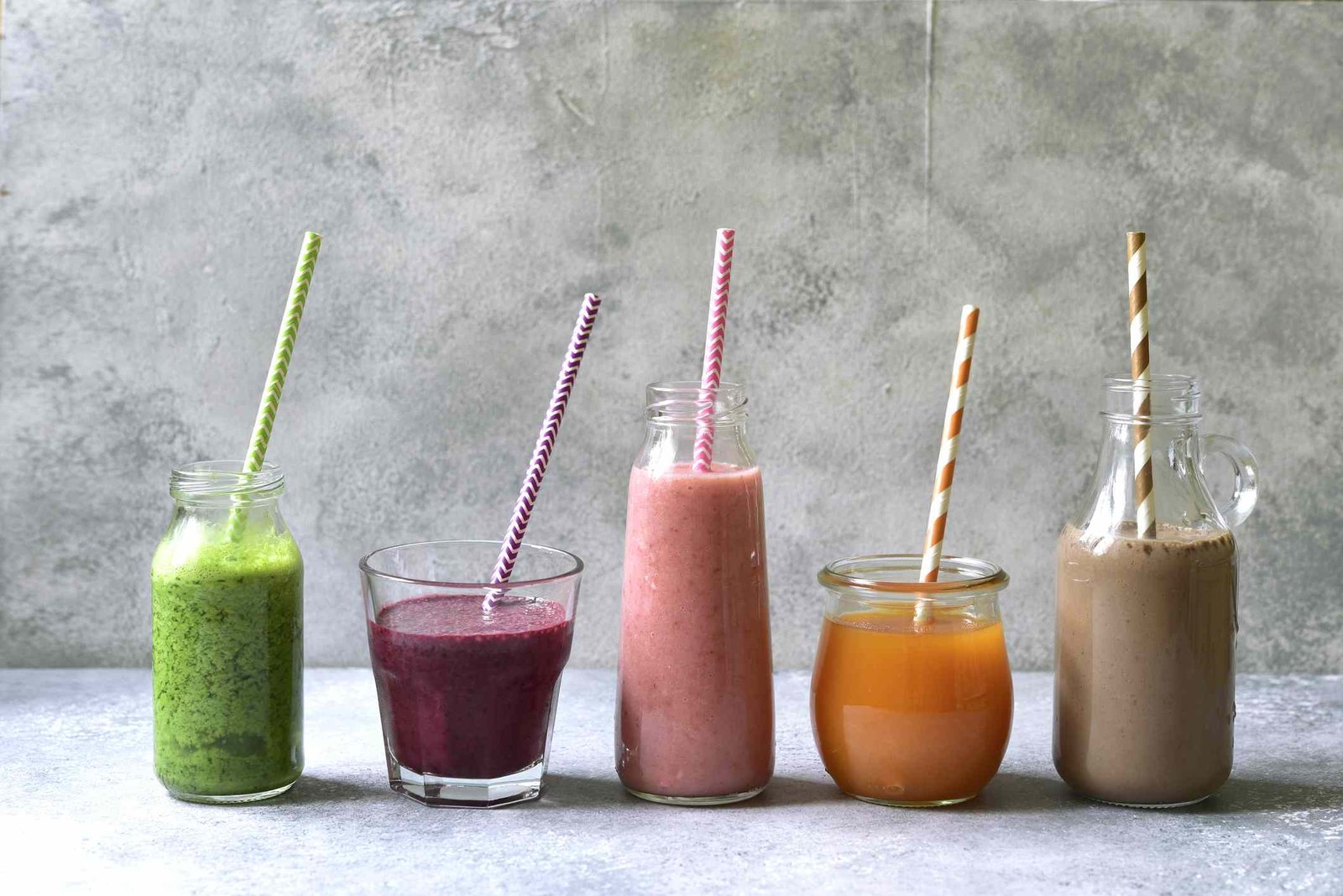
Drinks high in iron made with cocoa, pea protein, prunes, dark leafy greens, and nut butters can help support better energy levels. Iron helps deliver oxygen to your body, which helps create energy. Adding more iron-rich drinks to your diet can help you feel more energized and fight fatigue related to iron deficiency.
sefa ozel / Getty Images
- Iron content: 5 milligrams (mg), 30% of the Daily Value (DV)
- Serving size: 1 cup
Dark chocolate is surprisingly rich in non-heme iron, which comes from cacao beans. Just one ounce of 45-69% dark chocolate can offer 2 milligrams of iron. When ground into cocoa powder, the iron in cacao becomes even more concentrated. Drinking hot cocoa made with 4 tablespoons of high-quality cocoa powder can help you consume up to 30% of the DV for iron.
Cocoa products containing high percentages of cacao solids contain magnesium and antioxidants. Magnesium also contributes to energy production, while flavonoid antioxidants help prevent cell damage.
Non-heme iron found in cocoa powder is not as easily absorbed as heme iron found in meat, fish, and poultry. Eating vitamin C snacks like citrus fruit or bell peppers with hot cocoa can help improve non-heme iron absorption. Calcium can also limit iron absorption, so avoid mixing cocoa powders with cow’s milk and calcium-fortified non-dairy milks.
Farion_O / Getty Images
- Iron content: 5 mg, 28% of the DV
- Serving size: 1 cup
Pea protein shakes can help increase your intake of non-heme iron and protein. Pea protein powder contains about five times more iron than protein powders made from whey protein isolate (depending on the formula).
A 22-gram scoop of pea protein also contains nearly 19 grams of protein. As a protein-rich food, a pea protein shake provides essential amino acids, which help fuel the body and replenish energy after exercise. Pea protein is especially high in muscle growth-promoting amino acids like leucine, valine, and isoleucine.
When mixing a pea protein shake, add vitamin C-rich fruits like strawberries to improve non-heme iron absorption. Mixing pea protein with iron-rich vegetables like spinach and low-calcium soy milk can also help boost the iron content.
Arx0nt / Getty Images
- Iron content: 4.29 mg, 24% of the DV
- Serving size: 1 cup
Dark leafy greens like spinach, parsley, kale, beet greens, and Swiss chard contain non-heme iron and vitamin K. Juicing 3 cups of raw spinach provides nearly 14% of the DV of iron. Just half a cup of parsley provides 10% of the DV. Drinking green juice can provide more than your entire daily needs for vitamin K, which helps support cellular energy.
Adding vitamin C-rich citrus fruits like lemon, orange, or pineapple to your juice can help increase non-heme iron absorption and improve the taste. Green apples and pears can also provide additional vitamin C and better flavor.
iuliia_n / Getty Images
- Iron content: 2.8 mg, 17% of the DV
- Serving size: 1 cup
Beef liver is one of the best sources of heme iron, but it’s not a food most people enjoy eating. A good workaround is adding beef liver powder to a smoothie. Two tablespoons of beef liver powder provide about 9% of the DV of iron.
Two tablespoons of cacao powder also help mask the liver taste and provide additional energy, with B12, magnesium, and non-heme iron. Adding your favorite sweet fruits—such as cherries, strawberries, or raspberries—provides vitamin C to support iron absorption.
I_rinka / Getty Images
- Iron content: 3.7 mg, 20% of the DV
- Serving size: 1 cup
Combining various iron-rich foods in a smoothie with low-calcium milk, water, or coconut water can help give you energy and replenish your iron intake. Two tablespoons of cashew butter offers 10% of the DV of iron and 6 grams of plant-based protein. Adding 1 cup of raw spinach adds additional iron, fiber, and vitamin K.
Raspberries provide flavor and additional iron and vitamin C for better iron absorption. While offering only 0.9 milligrams of iron per cup, 1 cup of fresh raspberries provides 50% of the DV for vitamin C.
zia_shusha / Getty Images
- Iron content: 3 mg, 16% of the DV
- Serving size: 1 cup
While not the most iron-rich drink, prune juice is an easy way to consume more iron-rich prunes (dried plums). Prune juice is also a good source of fiber, which helps stabilize blood sugar levels and improve energy. Fiber helps improve digestion, too, which is why prune juice is known to promote bowel movements.
Like most of these drinks, prune juice contains non-heme iron that is more difficult for your body to absorb. However, prune juice contains 10 milligrams of vitamin C, which can help increase non-heme iron absorption.
Only drinking iron-rich beverages will make it difficult to reach the recommended 18 milligrams of iron per day. To get enough iron in your diet, it’s important to consume diverse sources of heme and non-heme iron.
Foods like fortified breakfast cereals, white beans, lentils, tofu, and boiled spinach are good sources of non-heme iron. Heme iron is in meat, seafood, and poultry. Oysters and beef liver contain the most heme iron.
You can also improve non-heme iron absorption by eating more vitamin-C-rich foods like red peppers, orange juice, oranges, grapefruit, kiwi, cooked broccoli, and strawberries. This can be particularly helpful if you don’t consume animal products that contain heme iron.
