

Key Takeaways
- Hormones like estrogen and progesterone make you hungrier during your period.
- Eating a balanced diet with lean protein, fruits, and whole grains can help manage hunger.
- Distinguish between hunger and thirst by drinking water first.
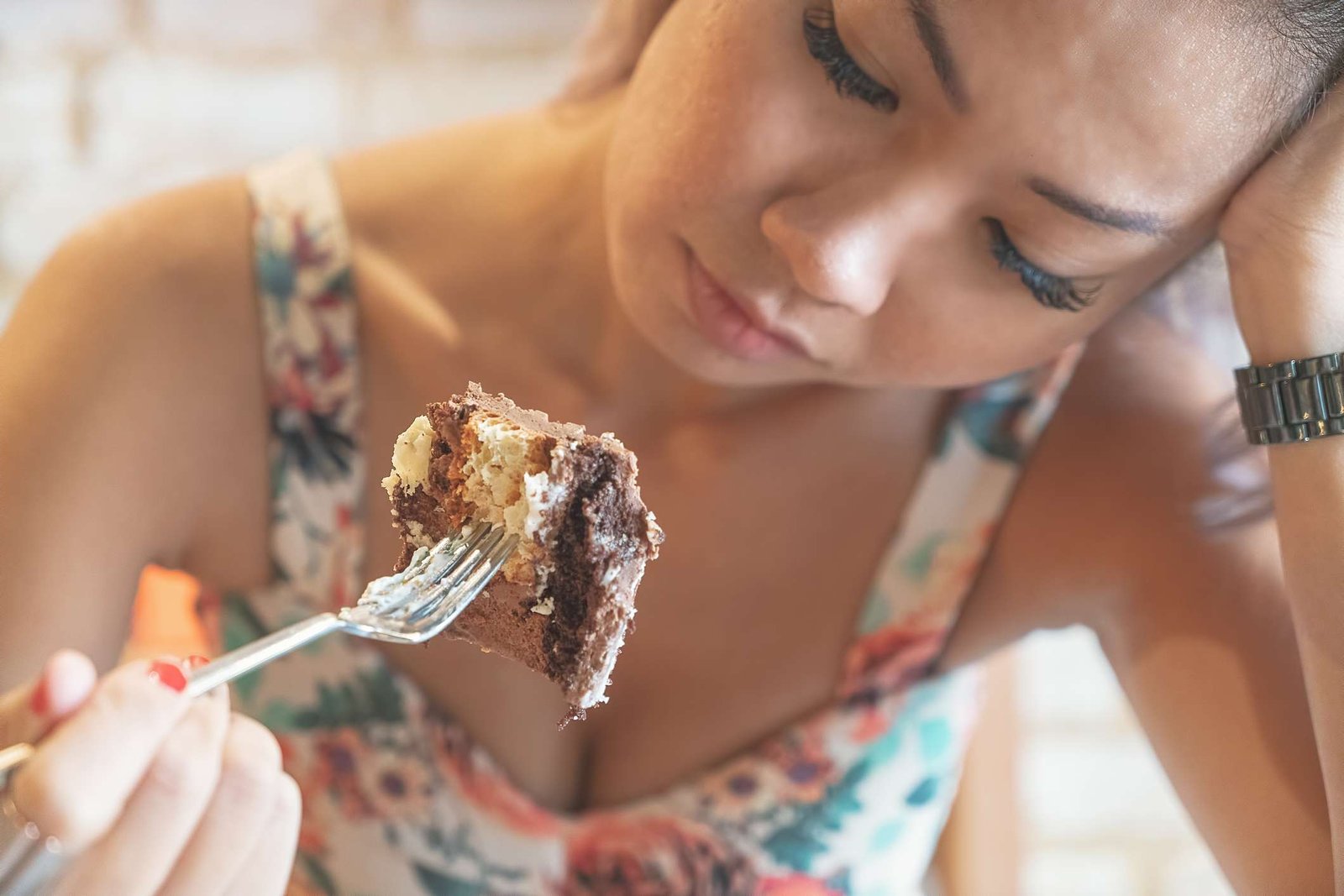
It’s that time of the month again. You find yourself eating an extra couple of slices of pizza and finishing every french fry in sight. Then you’re reaching for that bag of chips and a bar of chocolate for comfort. If this sounds like you, then you’re not alone in feeling this way because it’s very common.
But, you’re likely wondering why you get extra hungry while you’re on your period. Well, you can blame your hunger on all the hormones that are triggered when you’re menstruating.
This article dives into the basics of a menstrual cycle, the hormones that affect your appetite, and some tips to help manage your hunger pangs during your period.
What Is the Menstrual Cycle?
The menstrual cycle is a series of natural hormonal and physiological changes that the female reproductive system goes through to support a pregnancy.
It starts on the first day of a female’s period (menstruation) and ends on the day before their next period. On average, a menstrual cycle lasts 28 days; however, a normal range is between 21 and 40 days.
After your period, between days 8 and 28 of your cycle, your uterus thickens up as it prepares for embryo (a fertilized egg) implantation. For three weeks, your uterus slowly builds a lining that is full of blood vessels and tissue that is approximately 11 mm thick.
Around day 14 of your cycle, your ovaries release an egg that moves down the fallopian tubes. If the egg does not get fertilized and implantation does not occur, it will disintegrate in the body. The endometrium (uterine lining) sheds and is released through the vagina as a period (this is when you’ll notice blood).
It takes about 10 to 16 days for an egg to be released from the ovaries to the beginning of menstruation.
The Hormones That Affect Your Appetite
Hormones regulate the changes your body experiences during the menstrual cycle. Fluctuations in these hormones can influence your appetite.
Estrogen
In the days before your period, estrogen levels start to decline. This hormone can boost your mood and suppress your appetite, so when estrogen drops, you may feel hungrier.
Progesterone
During this time, your progesterone levels also drop but it remains the dominant hormone in your body. Progesterone is responsible for stimulating your appetite, causing you to feel extra hungry.
Why You’re Craving Sugary Foods and Carbs
Increases and decreases in progesterone and estrogen have been shown to increase cravings for carbohydrate-rich and sugary foods. Cortisol also plays a role in your affinity for sweets.
Getting your period comes with a host of uncomfortable symptoms like bloating, irritableness, extra tiredness, cramping, headaches, breast tenderness, back pain, etc. Consuming foods high in sugar and starch causes your body to release serotonin (a neurotransmitter that helps you feel good, increases happy feelings, and boosts your mood). It’s no wonder you’re tempted to eat a gigantic bowl of pasta, a plate of fries or a basket of bread when Aunt Flo comes to visit.
Cortisol
Cortisol, known as the stress hormone, can also influence your appetite. A 2020 meta-analysis found that women in the follicular phase had higher cortisol levels than in the luteal phase.
The follicular phase is day 1–14 of your menstrual cycle. It begins on the first day of your period and ends in ovulation when the egg is released from the ovary. A high cortisol level in the body is linked to an increase in appetite, overeating, and a desire to consume high-fat, sugary “comfort foods.”
How to Manage Your Hunger When You’re On Your Period
It’s important to listen to your body and care for it during your period.
When to Contact a Doctor
If you find you’re feeling like you have a loss of control when eating, eating an excessive amount of foo, never feel full, or are hungry all the time throughout your cycle, please contact your doctor or healthcare professional. There may be other health issues that are going on.
Here are some tips to help manage your hunger pangs during your period:
- Maintain a well-balanced diet: Ensure you consume lots of lean protein, vegetables, fruits and whole grains during the month. Minimize your intake of processed food, saturated fats, caffeine, salt and alcohol. There is a direct link between the food you eat and the hormones that are produced and released in your body. There is also a direct link between the food you eat and the way you feel. A diet that is full of nutrient-dense foods can help balance hormones and keep those hunger pangs at bay.
- Exercise regularly: From improving mental health to decreasing the risk of cardiovascular disease and certain cancers, the benefits of exercise are pretty well known. A study that looked at the impact of the COVID-19 pandemic on eating habits showed that physical activity was associated with healthier food decisions. Specifically, those who were more active tended to eat less fried foods and sweets. Regular movement can help a lot with your mood during this time.
- Indulge slowly and in moderation: Although you may feel like inhaling an entire bag of chips, it’s probably not the best for your well-being. Instead, grab a small bowl, fill it with chips, close the bag, put it back, and walk away. Savor each chip and mindfully appreciate the textures and flavors. Then assess whether you want more. Sometimes, taking the time to enjoy a treat can help satisfy the cravings without overeating or going beyond what our stomachs can handle.
- Choose alternative healthy snacks: Ice cream or donuts may seem like the perfect snack after dinner. However, that big spike in your blood sugar levels and the eventual crash will leave you feeling more irritated and upset. Instead, opt for healthier snacks that don’t cause your blood sugar levels to go on a rollercoaster ride. Some examples include low-fat yogurt, cheese, nuts, fruit, veggies and hummus, and whole-grain toast with peanut butter.
- Stay hydrated: Drink plenty of water. People often confuse signs of dehydration for hunger. That’s because the feelings of thirst are too subtle compared to those of hunger. So before grabbing that muffin, try drinking a tall glass of water and see if that helps with your appetite.
- Detach morality from your food choices: Don’t let your food choices make you feel guilty or bad about yourself. If cookies or a bowl of mac and cheese are what give you comfort during this time of the month, allow yourself to have that treat. Your uterus is shedding and it is a tough and unpleasant experience. For some, it can be painful and debilitating. Listen to your body, rest, enjoy your favorite foods and take care of it however you see fit.
Verywell Mind uses only high-quality sources, including peer-reviewed studies, to support the facts within our articles. Read our editorial process to learn more about how we fact-check and keep our content accurate, reliable, and trustworthy.
Periods and fertility in the menstrual cycle. National Health Service UK. nhs.uk.
Tsuda H, Ito YM, Todo Y, et al. Measurement of endometrial thickness in premenopausal women in office gynecology. Reproductive Medicine and Biology. 2018;17(1):29.
Al H. Sex hormones, appetite and eating behaviour in women. Maturitas. 2012;71(3).
Krishnan S, Tryon R, Welch LC, Horn WF, Keim NL. Menstrual cycle hormones, food intake, and cravings. FASEB j. 2016;30(S1).
What are the symptoms of menstruation? https://www.nichd.nih.gov/.
Wurtman RJ, Wurtman JJ. Brain serotonin, carbohydrate-craving, obesity and depression. Obes Res. 1995;3 Suppl 4:477S-480S.
Hamidovic A, Karapetyan K, Serdarevic F, Choi SH, Eisenlohr-Moul T, Pinna G. Higher circulating cortisol in the follicular vs. Luteal phase of the menstrual cycle: a meta-analysis. Front Endocrinol. 2020;0.
Why stress causes people to overeat. Harvard Health
Marks V. How our food affects our hormones. Clin Biochem. 1985;18(3):149–153.
CDC. Benefits of physical exercise. Centers for Disease Control and Prevention.
Christofaro DGD, Werneck AO, Tebar WR, et al. Physical activity is associated with improved eating habits during the covid-19 pandemic. Front Psychol. 2021;12:664568.
CDC. Manage blood sugar. Centers for Disease Control and Prevention.
McKiernan F, Houchins JA, Mattes RD. Relationships between human thirst, hunger, drinking, and feeding. Physiol Behav. 2008;94(5):700–708.
Thanks for your feedback!
What is your feedback?
Helpful
Report an Error
Other
