

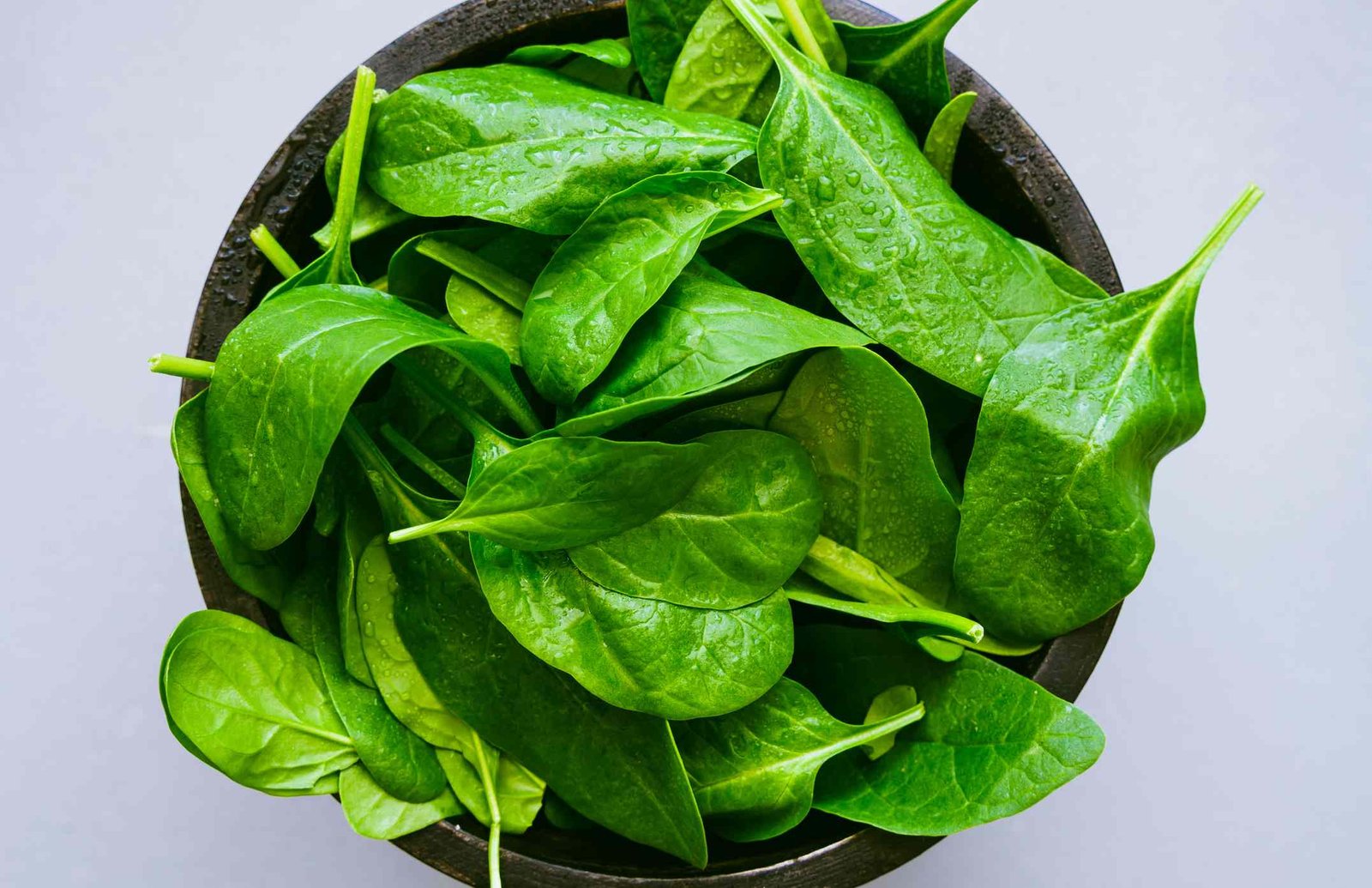
Spinach is a good source of iron, with a 1/2 cup of boiled spinach providing 3 milligrams, or about 17% of the Daily Value (DV). Some research suggests that eating spinach at certain times can maximize your iron absorption.
Eating spinach at any time of day is a good choice for most people. But if you are looking to maximize your iron intake, there may be some benefit to eating it first thing in the morning. Your body’s level of hepcidin—a hormone produced by the liver that can interfere with iron absorption—is lowest when you first wake up and gradually increases as the day goes on.
So, if you eat spinach in the morning when your hepcidin levels are lower, your body may have an easier time absorbing the iron in spinach. A 2023 study on iron supplementation found that iron absorption was 37% lower in the afternoon compared to the morning.
Your stomach also has a higher level of gastric acid in the morning, especially after fasting overnight. Gastric acid is what breaks down food in your stomach into nutrients your body can absorb. So, eating spinach first thing in the morning on an empty stomach may help your body more easily break down and absorb iron.
For this reason, it may also be helpful to eat spinach and other iron-containing foods before you have taken any acid-reducing medications like proton-pump inhibitors.
Aside from iron intake, there are several benefits to eating spinach in the morning and adding it to your diet in general. These include:
- Greater absorption of other nutrients: In addition to getting more iron, eating spinach earlier in the day may also help you better absorb its other beneficial nutrients. Spinach is packed with vitamins A, E, and K, as well as fiber, antioxidants, calcium, potassium, and magnesium.
- Lasting fullness: Eating vegetables like spinach early in the day can help promote satiety and curb cravings later.
- Weight management support: A 2014 study found that eating green plant membranes—made from baby spinach leaves mixed with rapeseed oil—for 90 days helped people lose weight. The supplementation also lowered cholesterol and increased the body’s natural GPL-1 hormones. The study participants also experienced fewer cravings.
- Lower disease risk: Research shows eating about 1-6 cups (200-800 grams) of vegetables a day could reduce your disease risk by 13-30%, depending on how much you eat.
- Formation of healthy habits: Some evidence shows that forming healthy habits, like eating spinach and other leafy greens at breakfast, can have a positive impact on overall health and quality of life. It may also help you better manage weight and protect your metabolic health.
If your goal is to absorb the most iron from spinach, nutrition experts suggest pairing it with foods high in vitamin C, like oranges, grapefruit, strawberries, or kiwis. Vitamin C helps your body absorb iron and keeps it from binding to oxalates or compounds that become insoluble in your gut.
You should also eat spinach before drinking coffee or tea in the morning. Antioxidants, like caffeine and tannins, can block your body’s ability to absorb or use iron. One study found that green tea can significantly reduce iron absorption by up to 85%.
Most people can eat spinach without any concerns. However, if you are taking blood thinners like Coumadin (warfarin), you may want to watch your spinach intake. Spinach is relatively high in vitamin K.
If you take warfarin, it’s recommended to consume roughly the same amount of vitamin K every day. Sudden increases in vitamin K intake can interfere with how well this blood-thinning drug works and may lead to blood clots.
Also, if you are predisposed to getting kidney stones, you may want to limit your spinach intake. Spinach is naturally high in oxalates, which are compounds that can increase the risk of kidney stones.
If you have concerns about whether or not spinach is right for you, talk to a healthcare provider.
