

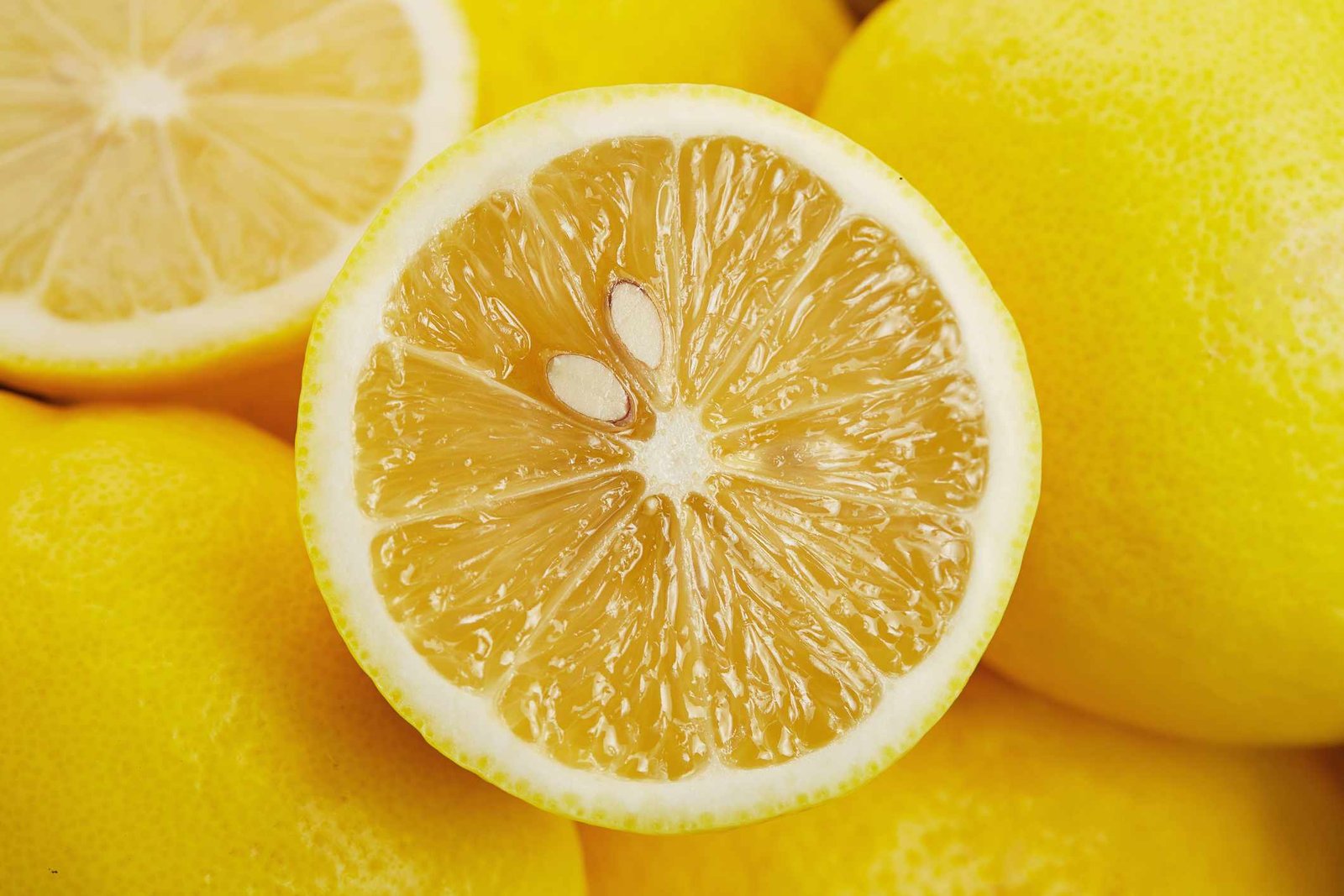
Lemons are a type of citrus fruit with a fresh, tart flavor. One lemon provides over a third of your daily value for vitamin C as well as some iron and fiber. There are a few ways to spot a ripe lemon to get maximum juice and flavor.
Choose a lemon that has a bright yellow peel. Lighter-colored lemons may have less juice than those with a more vibrant hue.
Some yellow-green color is okay, but the peel should have more yellow than green areas overall. Avoid lemons that have a dull, bronze color, as these are likely overripe.
You may want to avoid lemons that have significant bruising, brown or gray circular spots, or red splotches.
A ripe, juicy lemon will have shiny, thin skin. Avoid lemons with wrinkled or bumpy, hard peels. Tough skin on lemons can indicate dryness.
Also, examine the peel for scars. Some scarring that is light in color, mostly smooth, and has little to no depth is okay. Avoid lemons with dark, deep scars.
Check the peel for bruises with soft spots beneath. This may indicate the fruit inside has been damaged and is mushy.
Your lemon should be firm with a slight give. Gently squeeze the fruit in your hand; you want the lemon to “bounce back” when you let go. Lemons with thinner skin may feel slightly softer.
Avoid lemons that feel very soft or spongy or that have large soft spots.
Like with most citrus fruits, a lemon that feels heavy for its size tends to be juicier and more flavorful. When choosing between two similarly sized lemons, weigh one in each hand, and choose the heavier fruit. The lighter lemon may be drier.
Lemons are grown in warm-weather states like Arizona, California, and Florida. While they are available in stores throughout the year, their peak season is in the winter months. Lemons grown in season tend to be more flavorful. Since the fruit is more abundant during this time, lemons may also be less expensive to buy in the winter.
Here are a few ways to keep your lemons fresh for longer:
- Keep lemons on the counter for up to two weeks.
- Store ripe lemons in the refrigerator for up to six weeks. Keep them in an unsealed plastic bag or a mesh bag to prevent moisture buildup.
- Only wash lemons once you’re ready to eat them. Lemons have a natural protective coating. Also, wetting the peel before storage may encourage mold growth.
- After cutting a lemon, use it as quickly as possible.
- To preserve fresh-squeezed lemon juice, freeze it in ice cube trays and then store the cubes in a plastic bag in the freezer.
- To preserve lemon zest, grate the yellow part of the lemon peel and dry it. Store in an airtight container in a cool, dry place.
When preparing your lemons, follow these tips for food safety and flavor:
- Rinse your lemon thoroughly with cold water before zesting the peel or cutting the fruit open.
- Wipe the fruit dry with a clean paper towel to further remove dirt and bacteria.
- Cut off any bruised or damaged areas.
- Before juicing a lemon, let it warm to room temperature and lightly roll it on the counter before cutting it open to get the most juice from the fruit.
- Add lemon juice or sliced lemons to beverages, salad dressings, roasted vegetables, and baked goods.
