

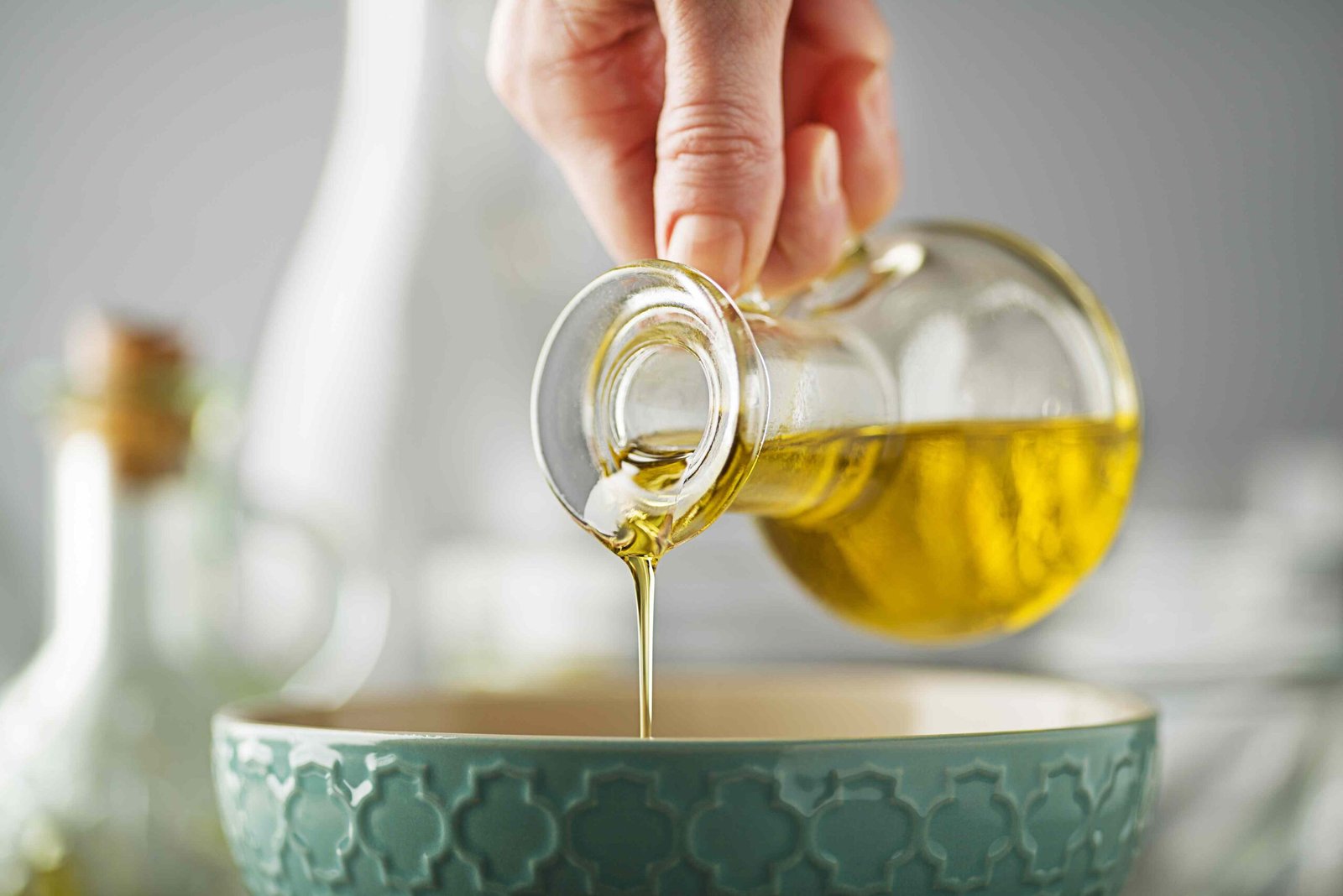
Olive oil has long been a go-to cooking oil for its heart-healthy fats—but a more recent contender, chia seed oil, is making waves as another source of healthy fat. When it comes to adding good-for-you fats to home cooking, there isn’t necessarily a clear winner between the two.
About 74% of the fat in olive oil—made by cold-pressing or heat-processing ripe olives—are monounsaturated fats. Meanwhile, chia oil, typically produced by cold-pressing chia seeds, contains mostly polyunsaturated fats, specifically plant-based ALA omega-3s.
For this reason, Sarah Pflugradt, PhD, RDN, CSCS, a performance nutritionist and lecturer at American University, said she’d be hard-pressed to pick a top option between the two. “I see a benefit for keeping both olive oil and chia oil in the pantry,” she told Health. “The monounsaturated fat in olive oil and the polyunsaturated fat in chia oil are both excellent for overall health. They each have their own unique benefits.”
The monounsaturated fat in olive oil has been linked to benefits like lower inflammation levels, improved insulin sensitivity, better blood sugar management, enhanced blood vessel health, and even the prevention of certain cancers, according to dietitian Seema Shah, MPH, MS, RD. Additionally, research from 2014 found that people who consumed the highest levels of monounsaturated fats from olive oil had the lowest risk of all-cause mortality, cardiovascular mortality, cardiovascular events, and stroke.
However, the polyunsaturated omega-3 fats in chia oil also offer substantial health benefits. “Alpha-linolenic acid, the omega-3 fatty acid found in chia oil, has a beneficial impact on heart health,” Pflugradt said. In fact, according to Shah, the plant-based ALA form of omega-3s in chia oil may reduce the risk of heart disease as much as the EPA and DHA found in fish oil. Studies have shown comparable benefits.
Additionally, polyunsaturated omega-3s like those in chia oil have been associated with improved brain health and mood, reduced inflammation, pain management, better sleep, and more.
There are other factors you may want to consider beyond healthy fat content when choosing between olive oil and chia oil. They include:
- Nutritional profile: Olive oil is rich in additional nutrients, including vitamin E and antioxidants, which help reduce chronic inflammation, Shah said. Chia oil also contains antioxidants, along with minerals such as iron, calcium, potassium, and magnesium. Chia oil and olive oil both contain about 120 calories per tablespoon.
- Smoke point: “Olive oil has a significantly lower smoke point than chia seed oil, so it is best for low-heat cooking like sautéing veggies,” Shah said. “Chia seed oil has a medium-high smoke-point, so it can be used for higher-heat cooking such as baking and frying.”
- Cost: Olive oil prices run the gamut from relatively inexpensive to top-of-the-line costly. Chia oil tends to have a narrower price range, with most varieties costing more per volume than olive oil.
