

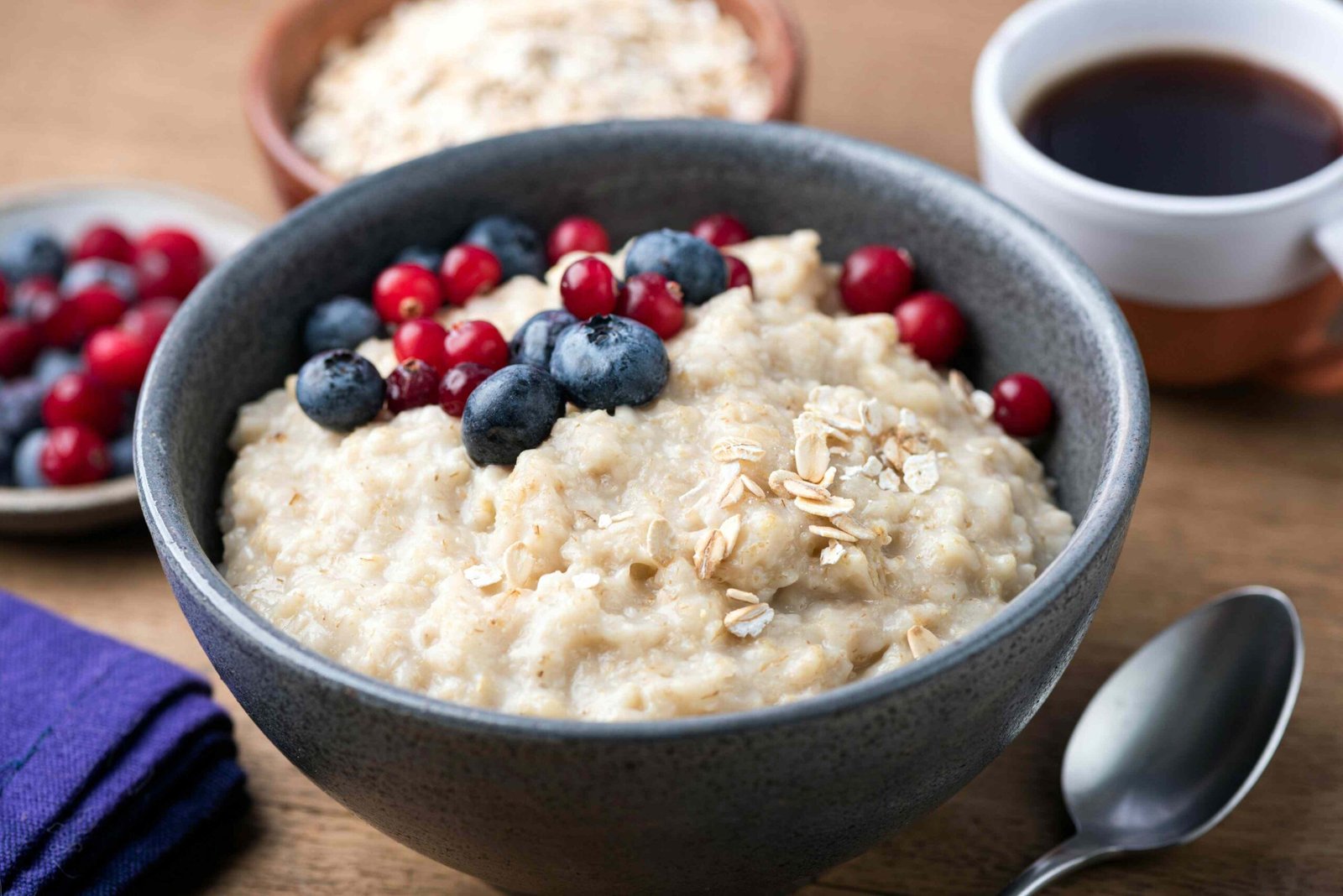
Oatmeal contains about 60 milligrams per cup, but several foods have more magnesium than oats. Eating foods high in magnesium supports your muscles, nerves, and bones.
Arx0nt / Getty Images
Magnesium: 168 milligrams (mg) in 1 ounce
Snacking on pumpkin seeds is an easy way to boost your magnesium intake. These seeds are also rich in zinc and iron, nutrients that help support your immune system. You also get a decent 8.5-gram dose of protein in every serving.
You can eat pumpkin seeds raw or roasted. They make a great topping for salads and soups, and you can try mixing them into yogurt for added texture.
bhofack2 / Getty Images
Magnesium: 157 mg in 1 cup cooked spinach, 23 mg in 1 cup fresh spinach
Leafy greens like spinach are rich in nutrients and essential minerals. You also get a healthy boost of iron and vitamin K.
You can stir cooked spinach into soups, stews, and curries. You can also eat raw spinach in salads and sandwiches.
Daniel Gigliotti / 500px / Getty Images
Magnesium: 117 mg in 100 grams of whole wheat flour
Whole wheat flour is made from the entire grain seed. It keeps the healthy outer layers, preserving the nutritious fiber and minerals. Processing wheat into white flour removes these parts and strips away minerals, like magnesium. Whole wheat flour has about three times as much magnesium as white flour.
You can easily swap refined grains for whole wheat options. Choose whole wheat bread for your toast or sandwiches. When baking muffins or pancakes, try using whole wheat flour to boost the nutrition.
CatLane / Getty Images
Magnesium: 95 mg in 1 ounce
Chia seeds absorb liquid and turn into a gel. This makes them ideal for naturally thickening foods. They are also rich in fiber and healthy fats. The gel-forming fiber helps move food through your digestive system and supports regular bowel movements.
You can make chia pudding for a simple breakfast. Simply mix 1/4 cup of chia seeds with 1 cup of water or milk. You can also try sprinkling chia seeds onto yogurt or toast and into fruit smoothies.
bong hyunjung / Getty Images
Magnesium: 77 mg in 1 ounce
In addition to magnesium, almonds provide vitamin E (around 7 mg per ounce) and beneficial fats.
It’s simple to add almonds to your daily routine. Pack a small bag for a convenient snack on busy days or chop them to add crunch to yogurt, cereal, or salads. Spreading almond butter on toast is another delicious way to enjoy this nutrient-dense food.
Elizaveta Antropova / Getty Images
Magnesium: 118 mg in 1 cup cooked quinoa
Quinoa is a seed that cooks like a grain. It is a complete protein source. This means it provides all nine essential amino acids your body needs. Quinoa is also high in fiber and naturally gluten-free.
Use quinoa as an alternative to rice or as a base for your grain bowls. It absorbs dressing well in fresh salads. You can also eat it warm as a hearty breakfast cereal mixed with fruits and nuts.
Inna Dodor / Getty Images
Magnesium: 67 mg in 1 cup raw
Avocados are a creamy, nutritious fruit full of healthy fats and are low in sugar. They provide plenty of fiber and potassium to support digestion and heart health.
Eating avocados has health benefits, including reducing inflammation, improving cholesterol levels, and helping you feel satisfied after meals.
Slice fresh avocado onto your morning toast or add it to salads or sandwiches. You can even blend it into smoothies for a rich texture.
Magnesium helps your body complete over 300 different processes. These include building proteins, controlling blood sugar, and regulating blood pressure. It keeps your muscles and nerves healthy. It also protects your bones and ensures a steady heartbeat.
Your magnesium needs depend on your age and sex:
- Men need 410 to 420 milligrams daily.
- Women need 310 to 320 milligrams daily.
- During pregnancy, you need up to 400 milligrams per day, and 360 milligrams when lactating.
Getting enough magnesium is straightforward, yet about half of American adults fall short of the goal. Eating the right foods can provide all you need. Small changes to your daily meals can make a big difference, so try these simple swaps and additions:
- Add a handful of almonds into yogurt or oatmeal.
- Use whole wheat instead of white bread in sandwiches.
- Add spinach to smoothies, salads, or pasta dishes.
- Include quinoa in soups and grain bowls.
- Keep pumpkin seeds on hand to sprinkle over salads.
- Mix chia seeds into pancake or muffin batter when baking.
